What Type of Locs Are Best for Thin Hair: A Complete Guide
The best type of locs for thin hair are those that add volume without putting too much tension on delicate strands, such as sisterlocks, micro locs, or interlocking methods tailored for fine hair. These techniques help create the appearance of fullness while maintaining the health of thin hair.
Loc styles for thin hair require careful selection because fine strands are more susceptible to breakage and damage. Choosing lightweight, smaller loc types limits stress on the hairline and scalp, helping thin hair grow stronger and look thicker over time. This approach supports longevity and scalp comfort.
This article will explore various loc styles suitable for thin hair, focusing on maintenance, installation methods, and care tips to maintain healthy locs. You'll also find a comparison of popular loc types and answers to common questions to guide your decision.
Understanding the Needs of Thin Hair for Locs

Characteristics of Thin Hair Affecting Locs
Thin hair generally has a smaller diameter, which makes it lighter and more fragile. This means locs applied to thin hair need to be lightweight to avoid excess tension that can cause breakage or hair loss along the scalp edges.
Fine strands also tend to tangle less robustly, so locs created with very thick sections risk unraveling or slippage unless secured properly. Choosing the right type of loc that matches hair texture and density helps combat these challenges.
Common Problems Locs Can Cause on Thin Hair
If locs are installed too tightly or in sections too large, thin hair can suffer from stress-related issues like traction alopecia or thinning at the roots. Also, locs that are too bulky can weigh hair down, increasing scalp discomfort.
Without proper moisturizing and gentle maintenance, locs on thin hair may become brittle. Scalp irritation is also more common if buildup accumulates due to the delicate nature of the hair and scalp.
Popular Types of Locs That Suit Thin Hair
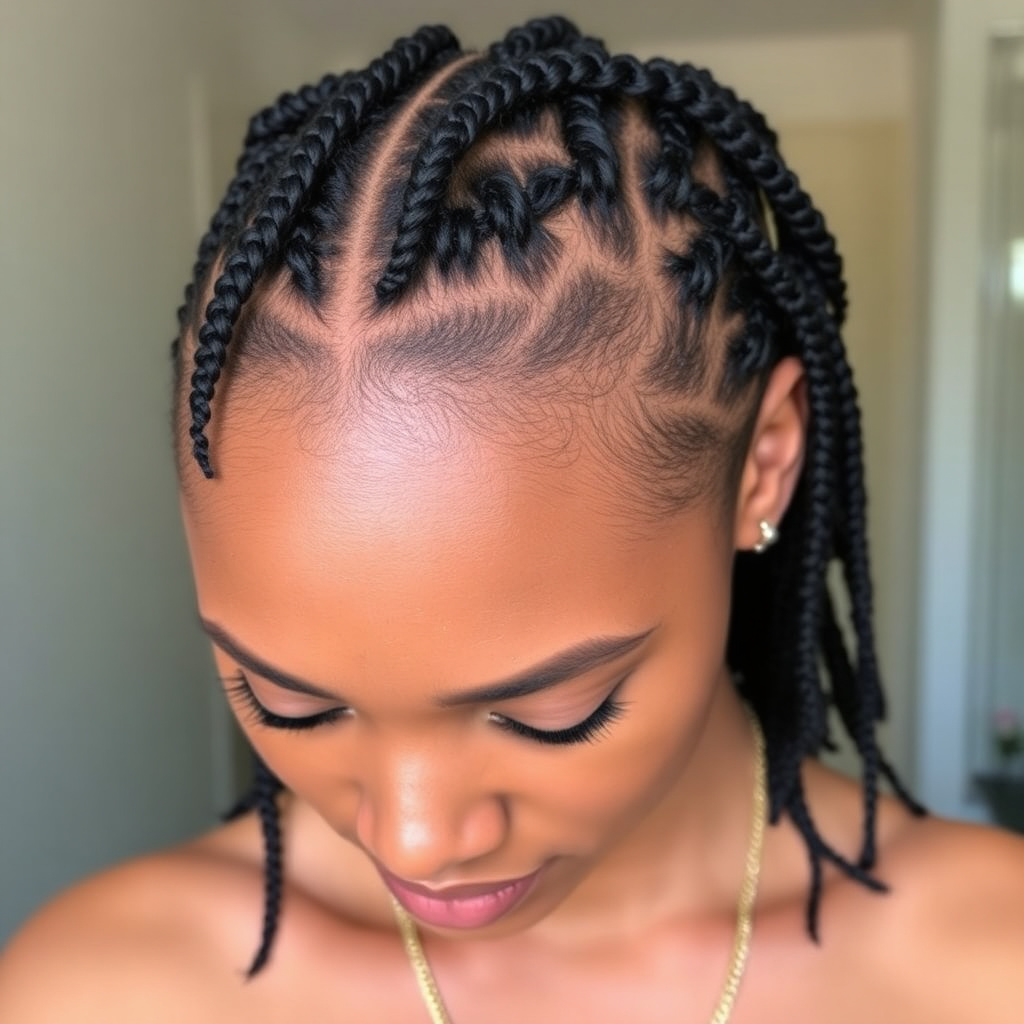
Sisterlocks: Tiny, Lightweight Locs
Sisterlocks are very small, uniform locs that create a full look without heavy bulk. They are ideal for thin hair because they distribute the weight evenly and promote natural hair growth with minimal tension.
The installation process involves sectioning hair into tiny parts and interlocking them with a specialized tool. This method keeps locs light and pliable, benefiting fragile hair types.
- Uniform thin locs
- Gentle on the scalp
- Promotes hair volume
Micro Locs: Fine and Versatile
Micro locs resemble sisterlocks in size and are also great for thin hair. Unlike sisterlocks, micro locs can be installed using different methods such as palm rolling or twisting, offering more styling flexibility.
Their small size allows for a natural-looking fullness and less scalp strain. They require regular maintenance to prevent slippage but provide a delicate aesthetic for fine hair.
- Small and neat loc size
- Flexible styling options
- Low weight
Installation Techniques for Thin Hair Locs
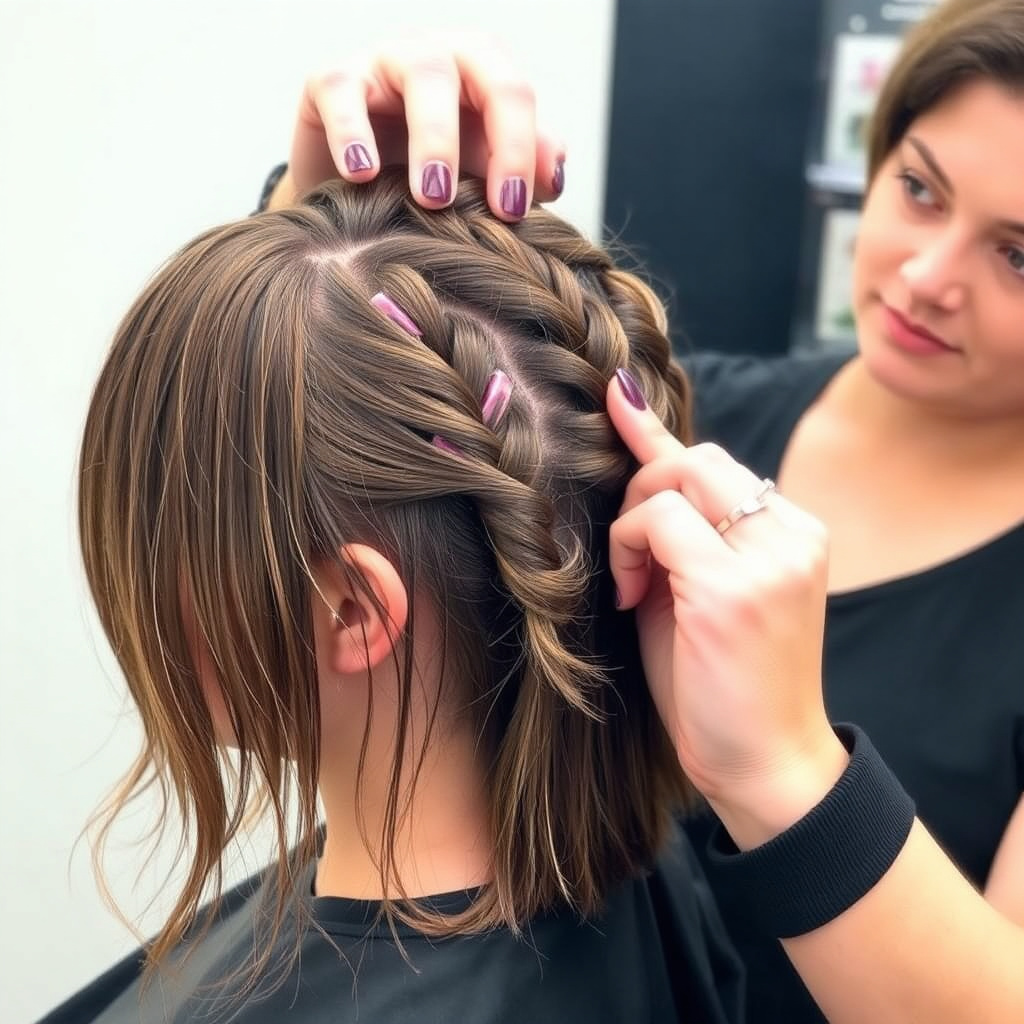
Interlocking Method Benefits
Interlocking passes the end of the hair through the root of the loc, which tightens gently and is less taxing for fragile hair than traditional twisting. This method is ideal for thin hair because it minimizes scalp tension and helps locs hold their shape longer.
Because this process locks the hair without heavy twisting, it reduces pulling and prevents damage along hairlines, making it suitable for people experiencing thinning or hair loss.
- Minimizes tension
- Promotes loc longevity
- Prevents breakage
For more on this, see our related guide: How to Deep Condition High Porosity Hair for Maximum Moisture Retention.
Twist and Palm Rolling Methods
Twisting and palm rolling are common, affordable ways to start locs but demand caution with thin hair. Over-twisting can stress fragile roots, so it's advised to keep twists loose and maintain gentle rolling schedules.
These techniques require consistent moisturizing and monitoring to avoid buildup, which could otherwise compromise scalp health and loc integrity on delicate strands.
Maintenance and Care for Thin Hair Locs

Moisturization and Scalp Care
Keeping locs and scalp well-moisturized is essential for thin hair to stay healthy. Oils like jojoba or almond offer lightweight hydration without causing excess buildup, while scalp massages improve circulation and hair strength.
Avoid heavy creams or waxes which may weigh locs down and block follicles, increasing the risk of irritation or dirt accumulation in the locs.
- Use lightweight oils
- Regular scalp massages
- Avoid heavy products
Preventing and Handling Breakage
Gentle detangling around locs and avoiding excessive manipulation prevent stress points on thin hair. Protective styling and sleeping with satin scarves reduce friction that can worsen brittleness.
If breakage occurs, trimming damaged ends and consulting a hair specialist can help preserve loc integrity and encourage healthy hair growth.
Styling Thin Hair Locs for Volume and Health
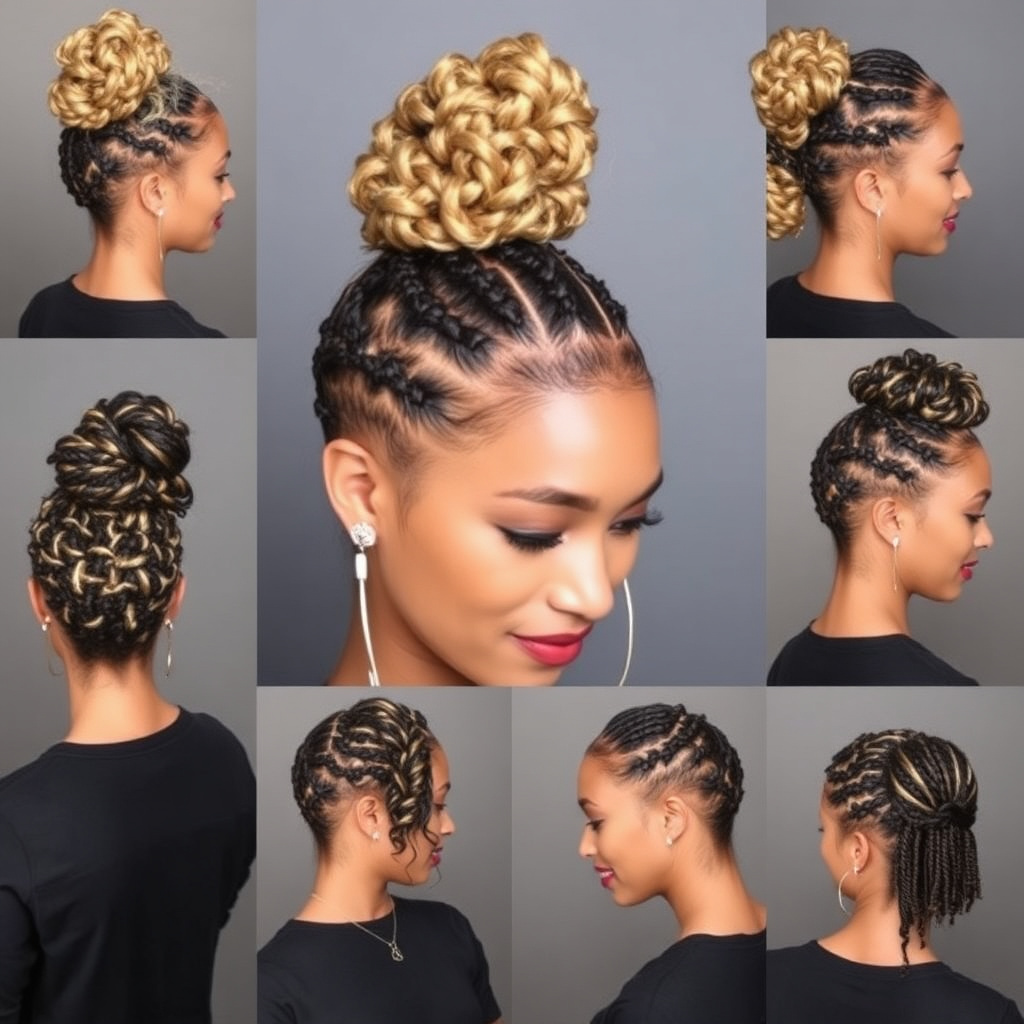
Volumizing Loc Styles for Thin Hair
Loose and layered loc styles create an illusion of thickness on thin hair without pulling at the roots. Styles like half-updos, high buns, or side sweeps are effective for adding body while reducing scalp tension.
Incorporating accessories such as light beads or headbands adds dimension and helps anchor styles without extra weight.
- Loose and layered locs
- Protective updos
- Lightweight accessories
For more on this, see our related guide: What Type of Oil Is Best for Locs? A Detailed Guide to Hair Oils for Locs.
Avoiding Styles That Cause Damage
Tight ponytails, heavy extensions, and excessive braiding can strain thin hair locs and scalp, risking hair loss. Avoid these styles or use them sparingly with proper scalp care.
Monitoring discomfort or redness after styling indicates the need to adjust or change hairstyles to protect hair health long-term.
Cost and Time Considerations for Locs on Thin Hair

Initial Installation Costs
Sisterlocks and micro locs typically require professional installation, costing more upfront—often ranging from $300 to $1000 depending on hair length and stylist experience. The investment is worthwhile given their gentle approach to thin hair.
Interlocking and twist methods vary in price but generally are more affordable and can be maintained at home with guidance.
- Professional installation prices
- Cost range by loc type
- DIY vs. salon options
For more background on different loc styles and their cultural significance, visit the dreadlocks section on Wikipedia. dreadlocks section on Wikipedia.
Ongoing Maintenance Time and Expenses
Locs for thin hair require regular appointments for retwisting or interlocking every 4 to 8 weeks to prevent slippage and maintain shape. This upkeep can range from $50 to $150 per session.
Daily care includes moisturizing and gentle washing, which take minimal time but are essential to keep locs healthy and looking full.
- Scheduled maintenance intervals
- Average session cost
- Daily care time
Comparison of Loc Types Suitable for Thin Hair
This table compares various loc styles on key factors especially relevant for thin hair.
| Loc Type | Weight on Hair | Maintenance Frequency | Visual Fullness | Installation Cost |
|---|---|---|---|---|
| Sisterlocks | Lightweight | Every 4-6 weeks | High | $600-$1000 (professional only) |
| Micro Locs | Lightweight | Every 4-8 weeks | High | $300-$800 (professional or DIY) |
| Interlocked Locs | Moderate | Every 6-8 weeks | Medium | $200-$600 |
| Twist Locs | Light to Moderate | Every 4-6 weeks | Medium | $100-$400 |
| Traditional Locs | Heavier | Every 4-8 weeks | Variable | $100-$500 |
Frequently Asked Questions
Can thin hair hold locs without damaging the scalp?
Yes, thin hair can hold locs safely if installed properly with lightweight methods and maintained gently to avoid excess tension or weight on fine strands.
How often should I retwist locs on thin hair?
Retwisting every 4 to 6 weeks is recommended for thin hair locs to secure the new growth without causing stress or breakage.
Are sisterlocks better than traditional locs for thin hair?
Sisterlocks are often better suited for thin hair because they are smaller, lighter, and put less strain on delicate strands compared to traditional thick locs.
What products work best to moisturize thin hair locs?
Lightweight oils such as jojoba, almond, or grapeseed oil are best for moisturizing thin hair locs without causing buildup or heaviness.
Can I style thin locs in updos without causing damage?
Yes, but choose loose or layered updos that don’t pull tightly on roots. Using lightweight accessories helps avoid unnecessary strain.
Key Takeaways
- Sisterlocks and micro locs add fullness without heavy weight on thin hair.
- Gentle installation methods like interlocking reduce scalp tension.
- Regular moisturizing with light oils maintains loc health.
- Avoid tight styles to prevent breakage and hairline stress.
Conclusion
Selecting the best type of locs for thin hair involves focusing on styles and installation methods that minimize tension and weight. Since thin hair is more prone to breakage, it's essential to prioritize loc types such as sisterlocks or micro locs that emphasize lightweight, small-sized locs. The gentle interlocking method complements these loc styles by reducing strain on fragile strands, promoting stronger, healthier hair over time. Considering maintenance and proper care is also part of making a lasting choice that supports your hair’s health and desired aesthetic.
For those with fine hair seeking fuller-looking loc styles, sisterlocks offer consistent, tiny locs that create the appearance of volume without bulk. Micro locs provide similar benefits with more installation options, allowing for versatility. If budget or convenience is a concern, interlocking and twist methods can also work when applied carefully. Avoid heavy or traditional thick locs that place too much stress on thin hair. Pair your chosen loc style with a gentle moisturizing regimen and weekly scalp care for optimal results.
To begin your loc journey with thin hair, consult a professional experienced in working with fine textures. They can recommend suitable loc types and demonstrate installation techniques that protect fragile strands. From there, maintain your locs through gentle care and appropriate styling that enhances volume without tension. This thoughtful approach ensures your thin hair locs can flourish beautifully and resiliently.


