How to Braid Hair with Extensions: A Step-by-Step Guide for Seamless Blends
Braiding hair with extensions is a straightforward way to add length, thickness, and style versatility to your natural hair. The key is to integrate the extensions evenly so they blend smoothly with your own strands, creating a natural look without bulky spots or sudden color shifts. Whether you're working with clip-ins, sew-ins, or tape-ins, the braiding technique remains similar with a focus on even sectioning and tension control.
This skill matters because poorly integrated extensions can lead to discomfort, damage, and an unnatural finish that ruins the overall hairstyle. Braids with extensions allow for creative expression, help protect your natural hair, and make styling easier on busy days. Knowing how to braid with extensions also opens doors to countless braid styles that would otherwise be challenging due to hair length or density.
This article will break down each step of braiding hair with extensions, cover the best extension types for braiding, and tackle common issues to watch for. You’ll also find tips on maintenance and how to create specific braid styles that look polished and last longer.
Choosing the Right Extensions for Braiding Hair with Extensions
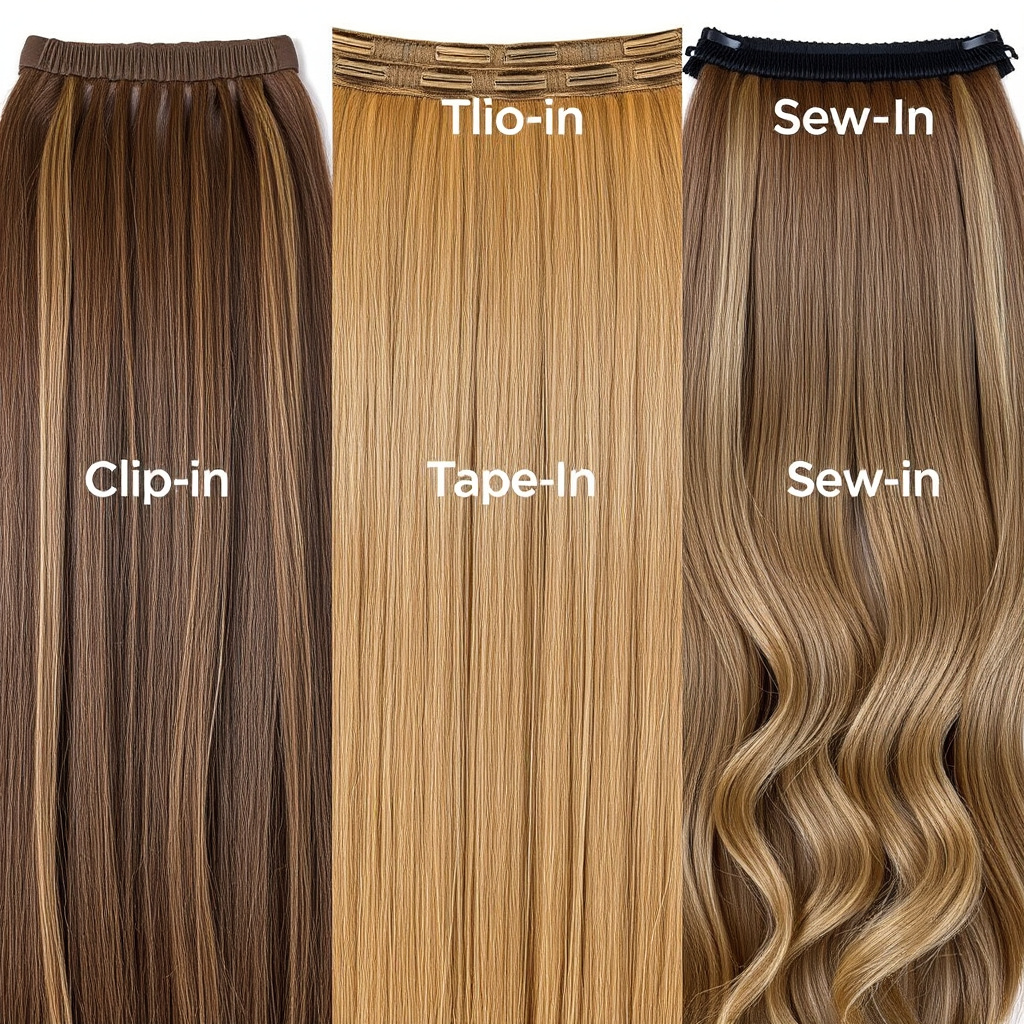
Types of Hair Extensions Suitable for Braiding
When braiding hair with extensions, selecting the right type affects both the appearance and durability of the braid. Clip-in extensions offer temporary length and volume and are easy to use, but they might not stay secure in intricate braid styles for extended periods.
Tape-in and sew-in extensions provide a more permanent option, with sew-ins being particularly favored for braid styles due to their secure attachment. Synthetic extensions can sometimes be less flexible and prone to tangling, so many prefer human hair for better blending and styling freedom.
- Clip-ins for temporary style changes
- Sew-ins for secure, long-lasting braids
- Tape-ins for medium-term wear
- Choose real human hair for natural movement
Selecting the Best Hair Extensions for Braiding
To achieve a seamless look, extensions should closely match your natural hair texture and color. Extensions with a similar curl or wave pattern prevent awkward contrasts in your braids. Pre-stretched or pre-stretched synthetic extensions can simplify the braiding process by reducing bulk.
Length selection also matters; extensions too long can weigh down the braid, while too short won't provide the desired length. Aim to pick extensions at least a few inches longer than your intended braid length for flexibility.
- Color-match extensions precisely
- Opt for textures that blend naturally
- Consider extension length relative to braid style
Preparing Your Natural Hair Before Braiding Hair with Extensions

Washing and Conditioning
Clean, well-moisturized hair forms the best base for braiding with extensions. Shampoo your hair to remove buildup, then apply a conditioner that softens and detangles. Avoid heavy, oily products that can weigh hair down or reduce grip.
Dry your hair completely before braiding; damp hair can cause slippage and frizz, which interferes with braid neatness and longevity.
- Use gentle, sulfate-free shampoo
- Condition thoroughly to avoid tangles
- Dry hair fully before styling
Detangling and Sectioning
Detangle your hair gently using a wide-tooth comb or detangling brush to reduce breakage during braiding. Smooth strands without knots ensure clean braid lines and easier integration of extensions.
Section your hair evenly using clips or hair ties. Precise parting prevents uneven tension that can ruin the braid’s look and cause discomfort. Smaller, manageable sections also enable better control when adding extensions.
- Use wide-tooth combs for gentle detangling
- Work in small, consistent sections
- Secure rest of hair with clips
Step-by-Step Braiding Techniques for Hair with Extensions

Basic Three-Strand Braid with Extensions
To braid hair with extensions using the three-strand method, start by dividing your natural hair and extension strands together into three equal sections. Hold the extensions firmly as you braid to prevent shifting.
Cross the right section over the middle, then the left over the middle, adding some extension hair gradually to each strand as you proceed. Maintain even tension to avoid loose or bulky spots.
- Begin with equal-sized sections of natural hair and extension
- Add extension hair incrementally to each strand
- Keep consistent tension during braiding
For more on this, see our related guide: What Type of Hair Extensions Are Best for Thin Hair: A Complete Guide.
Fishtail Braid Incorporating Extensions
Fishtail braids require smaller sections divided from the main strands. When adding extensions, split the extension strands thinly to match these smaller pieces, blending them with natural hair.
Cross thin sections from the outer edges to the opposite side steadily while holding the extensions tightly. This style creates a detailed, intricate braid with visible textured patterns enhanced by the extensions.
- Use small subsections of extensions
- Blend extension strands carefully for smooth flow
- Maintain tight grip for neat finish
Styling and Securing Braids with Extensions

Finishing Techniques to Secure Braids
Secure your braid ends with small, snag-free elastic bands to prevent unraveling. For synthetic extensions, consider heating methods cautiously if they are heat-resistant, or use styling products to smooth flyaways.
Adding a small amount of hair gel or mousse can enhance grip and maintain braid shape while preventing frizz. Avoid heavy products that could leave residue.
- Use silicone or fabric-covered elastics
- Apply light mousse or gel for hold
- Avoid heavy oils or sprays
Styling Tips for Long-Lasting Braids
Protect braids at night by wrapping hair with a silk or satin scarf. This minimizes frizz and breakage. Touch up loose strands as needed using a light hairspray or edge control to maintain neatness.
For a polished look, trim or blend any rough ends of extensions with your natural hair. Adding accessories like beads or clips can enhance braid appearance while securing extensions further.
- Wrap hair with silk or satin scarf overnight
- Use light hairspray for flyaway control
- Add stylistic accessories for flair and hold
Common Challenges When Braiding Hair with Extensions

Avoiding Bulkiness and Uneven Texture
One frequent issue is bulky spots where extensions are bunched together unevenly. To prevent this, distribute extension hair thinly and consistently across braid sections.
Uneven texture caused by mismatched curl patterns can create an unnatural braid appearance. Matching extensions carefully helps smooth the overall look, and slight blending with heat or styling tools refines feel.
- Divide extensions evenly in small portions
- Match curl and wave patterns
- Blend with styling tools if compatible
For more on this, see our related guide: How to Do Faux Locs: A Step-by-Step Guide for Stylish Protective Hairstyles.
Managing Tension to Protect Natural Hair
Tight braids with extensions can stress roots and cause hair breakage or tension headaches. Keep the braid firm enough to hold but avoid excessive pulling, especially near the scalp.
Use softer extension attachment methods if you notice discomfort, and vary braid tightness depending on your hair type and sensitivity to minimize damage.
- Avoid over-tightening braids near scalp
- Choose lightweight extensions when possible
- Adjust tension based on comfort
Maintaining and Caring for Braids with Extensions

Cleaning Braided Hair with Extensions
Clean scalp and braids carefully to keep hair and extensions fresh without loosening the braid too much. Use diluted shampoo or cleansing spray applied sparingly, focusing on the scalp area.
Avoid soaking extensions too deeply as this can weaken bonds or cause tangling. Pat dry with a microfiber towel and let air dry fully before restyling.
- Use diluted or gentle shampoo
- Focus cleaning on scalp areas
- Avoid over-wetting extension bonds
For more detailed information about various hair extension methods and materials, see this comprehensive overview on hair extension techniques. hair extension techniques.
Extending Braid Longevity and Hair Health
Moisturize scalp regularly with light oils that won’t weigh hair down, such as jojoba or argan oil. This prevents dryness and itching associated with long-term braiding.
Remove extensions gently after recommended time frames to avoid traction damage. After removal, give natural hair rest and repair treatments to maintain its health for future braid sessions.
- Apply lightweight oils to scalp
- Avoid keeping braids with extensions beyond advised duration
- Use deep conditioning after removal
Types of Hair Extensions for Braiding Category Comparison
Here’s a detailed comparison of popular hair extension types used for braiding, highlighting their wear duration, ease of use, and best applications.
| Extension Type | Wear Duration | Installation Method | Best For | Maintenance Level |
|---|---|---|---|---|
| Clip-in Extensions | 1 day to 1 week | Clip on/off | Temporary styles, beginners | Low |
| Sew-in Extensions | 6-8 weeks | Braided base, sewn in | Long-term, protective styles | Medium |
| Tape-in Extensions | 4-6 weeks | Double-sided tape | Medium-term, volume boosts | Medium |
| Fusion Extensions | 3-4 months | Heat-bonded | Long-lasting, natural look | High |
| Synthetic Extensions | Varies, often shorter | Variable | Budget-friendly, costume looks | High |
Frequently Asked Questions
Can I braid hair with clip-in extensions?
Yes, clip-in extensions can be braided with your natural hair for temporary styles, but they may slip out more easily compared to sew-in or tape-in options.
How do I prevent my braids from looking bulky when using extensions?
To avoid bulkiness, divide extension hair thinly and distribute evenly throughout the braid sections, matching your natural hair's texture.
Is it better to use synthetic or human hair extensions for braiding?
Human hair extensions provide a more natural appearance and styling flexibility, making them generally better suited for braiding than synthetic options.
How often should I wash my hair when wearing braids with extensions?
Washing every 1-2 weeks with a gentle shampoo focusing on the scalp is ideal to keep hair clean without loosening the braids prematurely.
Can braiding with extensions damage my natural hair?
If done with careful tension control and by avoiding overly tight braids, braiding with extensions minimizes damage. Over-tightening can cause breakage and scalp discomfort.
Key Takeaways
- Choose extensions that match your natural hair’s texture and color for seamless braids.
- Prepare hair by cleansing and detangling before adding extensions to avoid tangles.
- Use even sectioning and distribute extension strands thinly to prevent bulkiness.
- Control braid tension carefully to protect your scalp and natural hair from damage.
Conclusion
Weighing the pros and cons of different extension types and preparation methods is critical to successful braiding hair with extensions. The overall goal is to blend extensions naturally while maintaining hair health. By distributing strand thickness evenly and sectioning precisely, you improve braid appearance and long-term comfort. Protecting the scalp from tension and choosing suitable styling products ensures your braids stay neat and durable over time, making the investment worthwhile.
For daily wear or beginners, clip-in extensions paired with basic three-strand braids offer an accessible styling option. Those seeking longer wear and protective styles often prefer sew-in extensions combined with intricate fishtail or cornrow braids, which secure the extensions firmly and allow versatile designs. Tape-ins serve well when adding volume and length for medium durations, especially when matched carefully for texture and color.
If you plan to braid with extensions frequently, take time to experiment with small sections and different extension types first. Practice controlling braid tension and maintaining cleanliness to extend styles’ life. The next step could be consulting a professional stylist for custom fitting or trying extension installation tutorials alongside braiding techniques to enhance your skill set.



One Comment