What Type of Conditioner Is Best for Natural Hair? Expert Guide
The best conditioner for natural hair is one that deeply moisturizes while maintaining the hair’s natural oils and elasticity. Typically, rich, creamy conditioners with hydrating ingredients like shea butter, coconut oil, and glycerin work best to combat dryness and shrinkage common in natural hair textures.
Natural hair tends to be drier due to its curl pattern, which makes it harder for scalp oils to travel down the hair shaft. This means regular conditioning is essential to keep strands soft, prevent breakage, and promote growth. Using the right type of conditioner can transform how natural hair feels and behaves daily.
This article will cover different types of conditioners suited for natural hair, including deep conditioners, leave-ins, and co-washes. We'll explore which ingredients to look for, how to apply conditioners for the best results, and tips on maintaining moisture balance tailored specifically for various natural hair textures.
Understanding Different Conditioner Types for Natural Hair
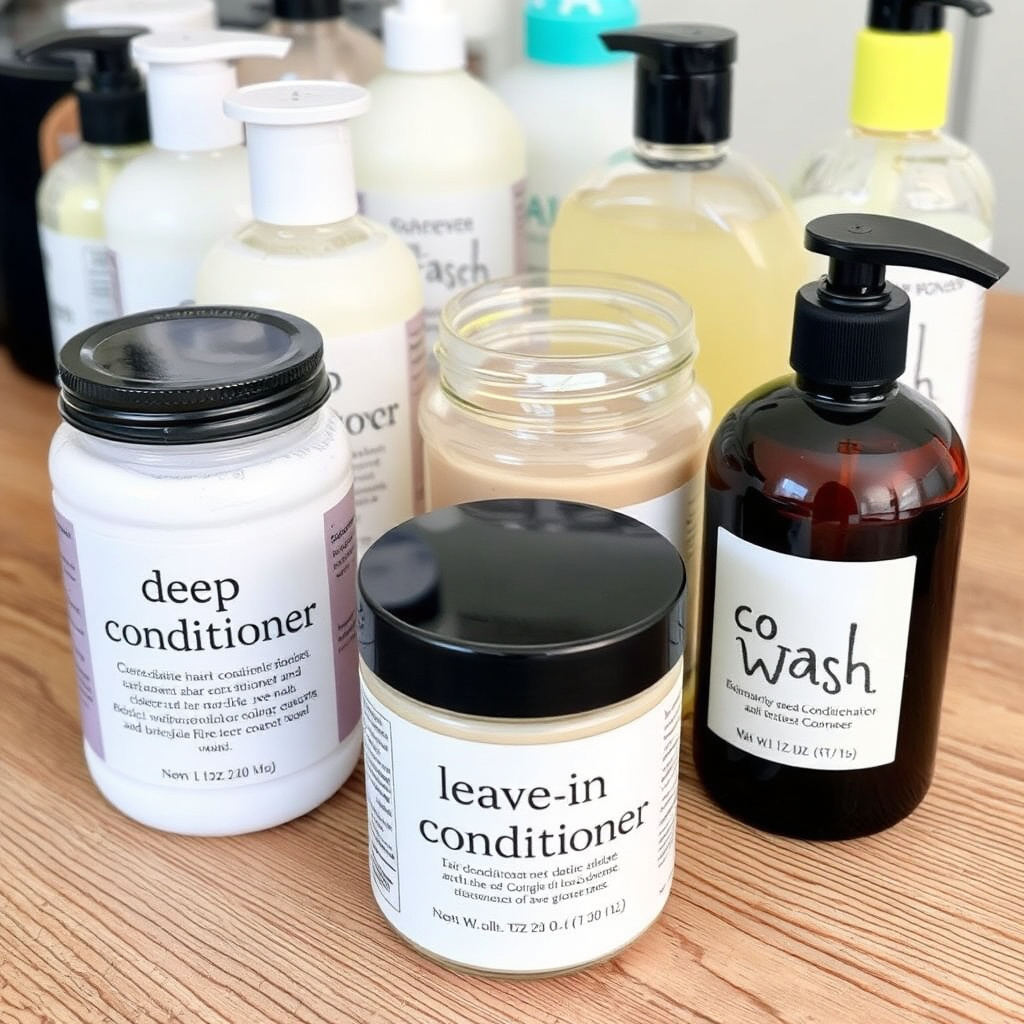
Deep Conditioners: Intensive Moisture Treatments
Deep conditioners are thick, nutrient-rich formulas intended to be left on natural hair for 15–30 minutes or longer to penetrate and repair strands. They supply intensive moisture, strengthen hair, and reduce breakage, making them ideal for hair prone to dryness and damage.
They often contain oils, proteins, and emollients that restore elasticity and softness. Regular use of deep conditioners — at least once a week — can significantly improve the health of natural hair by replenishing lost moisture and sealing the cuticle.
- Apply on clean, damp hair
- Use heat or a shower cap for better absorption
- Rinse thoroughly with cool water
Leave-In Conditioners: Daily Hydration and Manageability
Leave-in conditioners are lighter formulas designed to stay in the hair without rinsing. They provide ongoing moisture, reduce frizz, and make detangling easier between washes. For many with natural hair, leave-ins are essential in daily styling routines.
They often include humectants and lightweight oils to hydrate without weighing hair down. Applying a leave-in after washing or spritzing throughout the week maintains softness and bounce, supporting healthier curls and coils.
- Use sparingly on damp hair to prevent buildup
- Choose alcohol-free formulas to avoid dryness
- Layer with styling products as needed
Co-Washing and Its Role in Conditioning Natural Hair
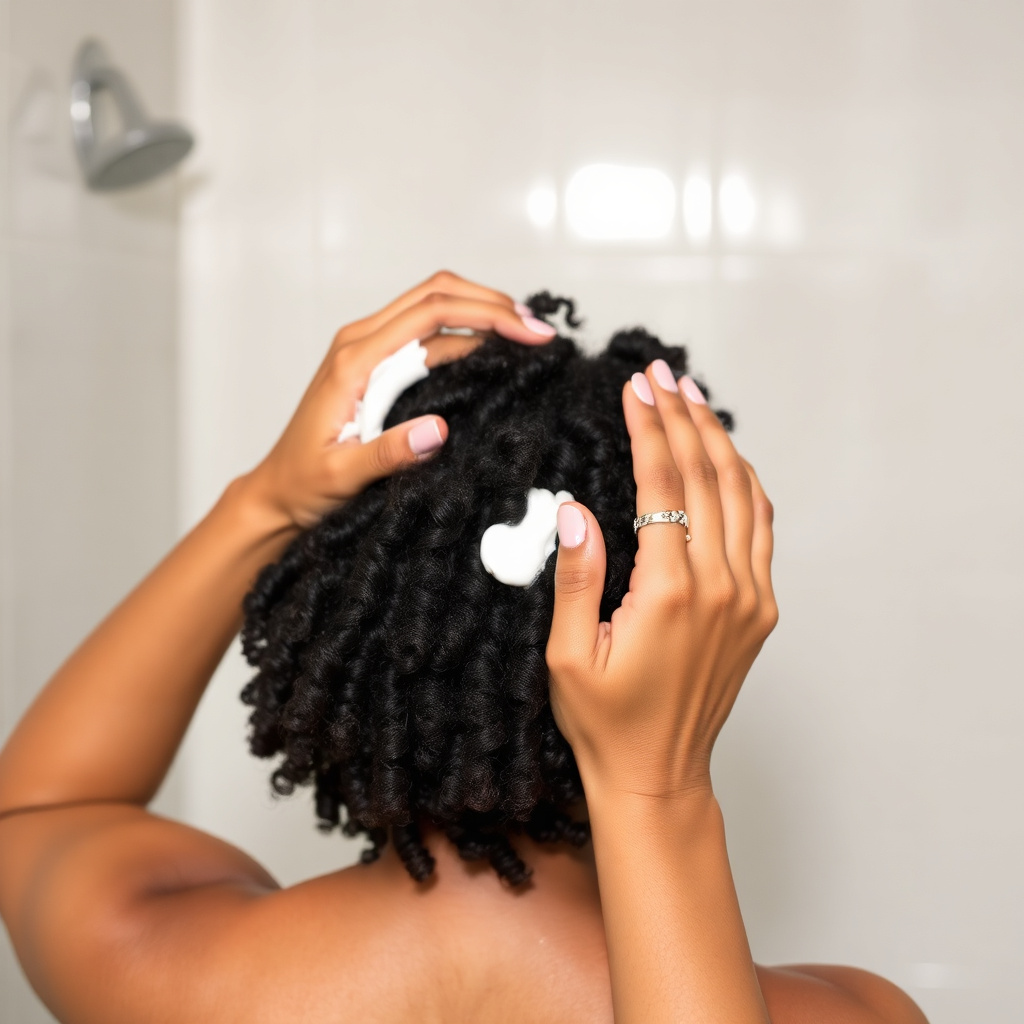
What Is Co-Washing and How Does It Help?
Co-washing, short for conditioner washing, replaces shampoo with a cleansing conditioner that cleanses the scalp and moisturizes the hair simultaneously. It’s popular among natural hair enthusiasts who want to avoid harsh sulfates that strip moisture.
Because natural hair is already prone to dryness, co-washing gently removes buildup without stripping essential oils. This method supports the hair’s moisture balance while promoting softness and manageability.
- Best for hair that isn’t overly oily or product-laden
- Can be alternated with regular shampoo sessions
- Choose silicone-free cleansing conditioners
For more on this, see our related guide: How to Do a Sew In: Step-by-Step Guide for Perfect Hair Extensions.
When to Choose Co-Washing Over Shampooing
Co-washing is ideal if your natural hair feels dry or brittle and you want to maintain moisture between shampoo washes. It’s especially beneficial for tightly coiled or very dry hair textures that require gentle cleansing.
However, co-washing is not suitable for everyone; if your scalp tends to be oily or you use lots of styling products, regular shampooing might be necessary to fully remove residue and prevent buildup.
- Use co-washing 1–3 times per week depending on hair condition
- Pay attention to scalp cleanliness and adjust routine as needed
Key Ingredients to Look for in Conditioners for Natural Hair
Moisturizing and Emollient Ingredients
Conditioners for natural hair should contain ingredients that deeply hydrate and soften strands. Look for natural butters like shea butter, oils such as coconut, jojoba, and argan, plus humectants like glycerin or honey that draw moisture from the air.
These ingredients smooth the hair cuticle, reduce frizz, and improve elasticity. They help maintain moisture throughout the day, which is vital for curly, coily, or kinky hair types prone to dryness.
- Shea butter
- Coconut oil
- Jojoba oil
- Glycerin
- Honey
Proteins and Repair Agents
Natural hair benefits from protein-rich conditioners that repair and strengthen damaged strands. Ingredients like keratin, silk protein, and hydrolyzed wheat protein rebuild weakened hair and prevent breakage without making hair stiff.
Balance is important; too much protein can cause brittleness, so conditioners with moderate protein content are best. These components complement moisturizing ingredients to restore both strength and softness.
- Keratin
- Silk protein
- Hydrolyzed wheat protein
- Amino acids
Application Techniques for Conditioning Natural Hair
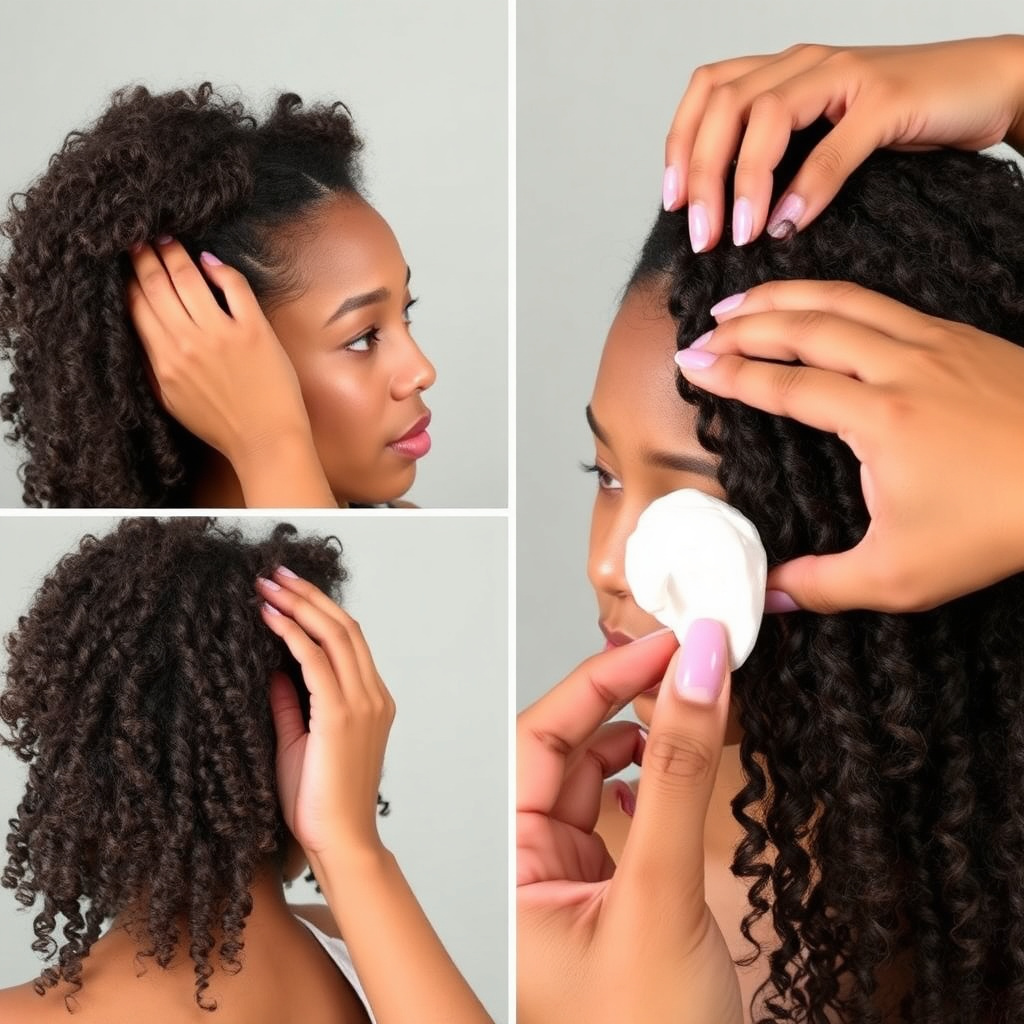
Proper Conditioning Steps
Start by detangling hair gently before conditioner application, ideally in sections to ensure even coverage. Focus conditioner mainly on the mid-lengths to ends, where hair tends to be driest and most prone to damage.
Use fingers or a wide-tooth comb to distribute the product evenly. Leave the conditioner on as the package directs, sometimes with heat to boost effectiveness, then rinse with cool water to seal the cuticle and lock in moisture.
- Section hair before application
- Avoid scalp if prone to oiliness
- Rinse with cool water after conditioning
For more on this, see our related guide: How to Do an Updo on Curly Hair: Easy Steps for Gorgeous Styles.
Tips for Using Leave-In and Co-Wash Products
When using leave-in conditioner, apply a small amount on damp hair and focus on ends. Too much can weigh down curls or cause buildup. For co-wash, massage cleansing conditioner into scalp thoroughly but gently, then rinse well to maintain balance.
Both leave-in and co-wash products work best with consistent use and adjustment depending on hair texture, porosity, and current moisture needs.
- Use leave-in sparingly for daily hydration
- Massage co-wash product to cleanse and condition
- Adjust frequency based on hair response
Choosing Conditioner by Hair Type and Porosity

Low Porosity Hair Conditioner Tips
Low porosity natural hair has tightly closed cuticles that resist moisture absorption, requiring lightweight, water-based conditioners with ingredients that penetrate easily. Heavy oils and butters may cause buildup or weigh hair down.
Look for conditioners formulated with humectants and light emollients, and warm your deep conditioner slightly to help open cuticles for better absorption.
- Water-based conditioners
- Humectants like glycerin and aloe vera
- Lightweight oils such as argan
For further insights on natural hair care practices, see the detailed overview on natural hair. Natural hair care basics.
High Porosity Hair Conditioning Needs
High porosity hair absorbs moisture quickly but also loses it fast due to raised cuticles or damage. Rich, thicker conditioners with occlusive ingredients like shea butter and castor oil help seal moisture in and protect fragile strands.
Protein-containing conditioners can also reinforce weakened hair. Sealing products post-condition can improve long-term moisture retention.
- Thick, emollient conditioners
- Butter-rich formulas
- Protein treatments
Comparison of Conditioner Types for Natural Hair
Here’s a table comparing major conditioner types to help identify which fits your hair’s needs based on moisture, protein content, and usage frequency.
| Conditioner Type | Primary Benefit | Best For Hair Type | Usage Frequency |
|---|---|---|---|
| Deep Conditioner | Intense moisture and repair | Dry or damaged natural hair | Weekly |
| Leave-In Conditioner | Ongoing hydration and detangling | All natural hair types | After each wash or daily |
| Co-Wash (Cleansing Conditioner) | Gentle cleansing with moisture retention | Dry or low-maintenance hair | 1–3 times per week |
| Protein Conditioner | Strengthens and reinforces | Weak or brittle hair | Every 2–4 weeks as needed |
| Moisturizing Rinse-Out Conditioner | Basic softening and detangling | Normal to dry hair | Every wash |
Frequently Asked Questions
Can I use a regular conditioner on natural hair?
While regular conditioners can provide some softness, natural hair often benefits from richer, more hydrating formulas designed specifically for its texture. Look for products with moisturizing and strengthening ingredients tailored to natural curls and coils.
How often should I deep condition my natural hair?
Deep conditioning once a week works well for most natural hair types, especially if hair is dry or chemically treated. However, some may need more or less frequent treatments depending on their hair’s moisture needs and styling routine.
Is it necessary to use protein conditioners on natural hair?
Protein conditioners help repair damaged hair and improve strength but should be used in moderation. Overuse can cause stiffness. Use protein treatments when hair feels weak or brittle, typically every few weeks.
What ingredients should I avoid in conditioners for natural hair?
Avoid conditioners with harsh sulfates, drying alcohols, and heavy silicones that can cause buildup or strip moisture from natural hair. Choose sulfate-free and lightweight, nourishing ingredients instead.
Can leave-in conditioners replace regular conditioners?
Leave-in conditioners provide ongoing hydration but are not a substitute for rinse-out conditioners that deliver deeper moisture and cleansing benefits. They work best used together within a hair care routine.
Key Takeaways
- Choose conditioners with rich moisturizers like shea butter and natural oils for natural hair.
- Deep conditioners provide the intense hydration natural hair often requires.
- Co-washing is a gentle cleansing option that maintains moisture balance.
- Adjust conditioner choice based on hair porosity and texture for best results.
Conclusion
Selecting the best conditioner for natural hair involves understanding your unique hair texture and moisture needs. Since natural hair tends to be dry and fragile, conditioners that provide deep hydration and strengthening ingredients are generally most effective. Focus on formulas that balance moisture and protein to keep your curls or coils healthy and resilient. It's beneficial to incorporate different conditioner types—such as deep conditioners for weekly treatments and leave-in conditioners for daily softness—into your hair care routine according to your hair’s current condition and styling demands. Knowing how your hair responds to certain ingredients is key to staying consistent and maintaining hair health over time.
For those with low porosity hair, lightweight, water-based conditioners featuring humectants like glycerin and aloe vera usually work best to avoid buildup and promote moisture absorption. High porosity hair often benefits from thicker, butter-rich conditioners that lock in moisture and repair damage. Co-washing serves as an excellent cleansing method for drier natural hair varieties by removing buildup gently while maintaining hydration. Specific products like deep conditioners for repair, protein treatments for strength, and leave-ins for daily manageability can be combined into custom routines tailored to your natural hair. Experimentation and attentiveness to how your hair feels after each conditioning will guide you to the right combination.
Ultimately, the best approach is to select a conditioner or combination of conditioners that nourish your natural hair’s specific needs while fitting your lifestyle. Start by trying moisturizing deep conditioners and leave-in conditioners formulated for natural hair and adjust based on your hair’s response. Remember, consistent moisture retention and gentle care lead to stronger, softer, and more vibrant curls or coils. If needed, consult a professional stylist who specializes in natural hair for personalized product recommendations. Maintaining a conditioning routine that supports your hair texture will help you enjoy healthy, beautiful natural hair every day.