How to Braid Hair for Kids: Simple Techniques for Cute Styles
Braiding hair for kids is straightforward once you know the basic techniques. Simply section the hair into even parts, weave them tightly but gently, and secure the ends with a clear elastic band. This keeps hair neat and manageable while creating a cute style that lasts all day.
Kids’ hair often requires styles that hold up to play and activity, so mastering braiding helps reduce tangles and protects hair from damage. Braids also offer versatility—whether a simple three-strand, fishtail, or more intricate twists, these styles suit all hair types and lengths common in children.
This article covers several braiding methods ideal for kids, plus tips on prepping hair for braids, tools needed, and tricks to keep children comfortable during styling. By the end, you’ll be confident making easy kids hair braids that look great and stay intact through their busy day.
Preparing Your Child’s Hair for Braiding
Detangling Techniques for Smooth Braids
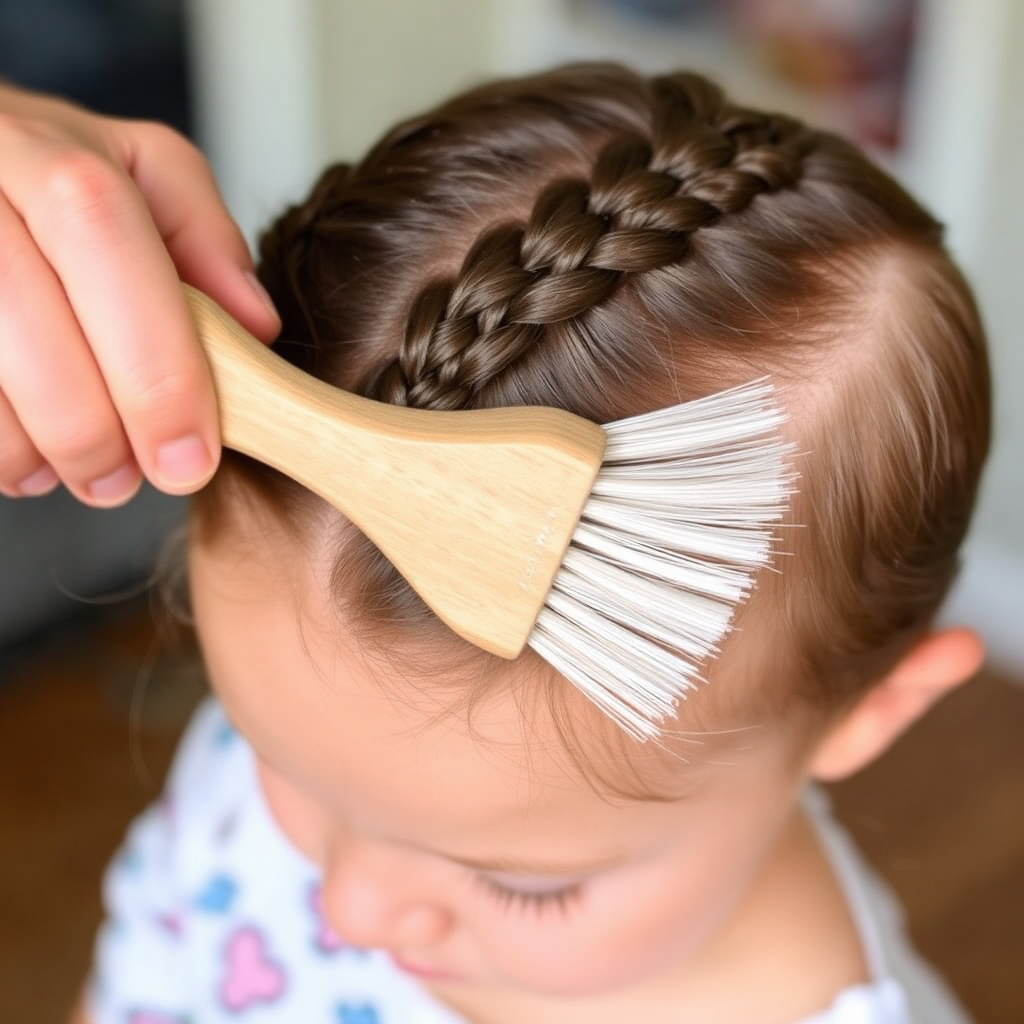
Start by using a wide-tooth comb or a soft-bristle brush to gently remove any tangles from the child’s hair while holding the strands near the roots to minimize pulling. Detangling on damp hair is often easier, especially when combined with a leave-in conditioner or detangling spray designed for kids.
Clear any knots before starting to braid, as this helps create neat, smooth braids that won’t unravel easily. Avoid vigorous brushing which can cause discomfort or breakage.
- Use a detangling spray for easier comb-through
- Start combing from the ends toward the roots gradually
- Hold hair near scalp to reduce tension
- Work in small sections if hair is thick
Choosing the Right Products and Tools
Select gentle, kid-friendly products such as sulfate-free shampoos and conditioners to keep hair hydrated and manageable before braiding. Light styling creams or gels can help tame flyaways while maintaining a soft hold.
For tools, gather wide-tooth combs, soft hairbrushes, smooth elastics with no metal parts, and clips to section hair. Using colorful elastics can make the process fun and engaging for kids.
- Squeaky-clean hair ensures braids stay tidy longer
- Avoid harsh chemicals that dry out hair
- Use slip-proof elastics to prevent breakage
- Keep tools age-appropriate and safe
Basic Braiding Techniques for Kids

How to Create a Classic Three-Strand Braid
Divide the hair into three equal sections and start crossing the right section over the middle, then the left over the new middle section, alternating consistently downward. Keep a firm yet gentle grip to maintain tension and neatness without tugging.
Work your way down the length of the hair, finishing by securing the braid with an elastic band. Three-strand braids are quick, versatile, and work well for all hair lengths and textures.
- Section hair evenly for uniform braids
- Maintain steady tension for sleek results
- Secure ends tightly to prevent unraveling
For more on this, see our related guide: How to Do Dutch Braids: A Step-by-Step Guide for Beginners.
Simple Two-Strand Twists for Beginners
Two-strand twists involve dividing hair into two sections and twisting each around the other. This method is less complex for kids or beginners but still provides a charming, protective style that can be worn tucked or loose.
Start twisting near the roots and continue along the hair length, finishing with a tie. Twists work well on damp or dry hair and are excellent for sensitive scalps.
- Great for curly or textured hair
- Protects hair ends from damage
- Quick to style and easy to undo
Advanced Braiding Styles for Kids

Fishtail Braid Technique
The fishtail braid uses smaller sections than traditional braids, alternating tiny strands from each side crossed over the center to form a pattern resembling fish scales. Though more detailed, it adds an elegant touch to kids’ hairstyles.
It requires patience and steady hands but produces a visually stunning braid that holds longer than simpler styles, especially when secured with a soft elastic.
- Divide hair into two equal sections
- Cross small outer strands over to opposite section repeatedly
- Apply light hairspray for hold
French Braids for Secure Styling
French braids start like classic braids but gradually add more hair from the sides as you braid downward, creating a smooth braid that lies close to the scalp. This style prevents loose strands, ideal for active kids.
French braids take more time and practice but keep hair under control throughout the day—perfect for school, sports, or special occasions.
- Collect new hair strands at each cross
- Keep braid tight without discomfort
- Finish with an elastic that matches hair color
Maintaining and Caring for Braided Hair

Protective Measures for Braided Hair
Encourage wearing a silk or satin scarf or using a pillowcase in the same material to reduce friction that can cause frizz and breakage while sleeping. Braids held overnight benefit from minimal disturbance, which helps retain style longevity.
Regularly moisturize the scalp and hair to prevent dryness, which is common with braids. Use lightweight oils or sprays designed for kids’ hair to keep strands healthy.
- Cover hair at night with satin scarf
- Apply moisturizing sprays between braids
- Avoid tight braids that pull scalp
For more on this, see our related guide: What Type of Bonnet is Best for Braids? Complete Guide to Protecting Your Style.
When and How to Undo Braids Safely
Removing braids gently after one to three days prevents buildup and tangling. Slowly tease apart the elastics and gently pull out strands from the bottom upwards to avoid hair breakage.
Follow up with a light detangling session and conditioning treatment to replenish moisture lost during styling.
- Undo braids slowly, starting from the ends
- Use fingers to detangle before combing
- Wash hair after removing braids to refresh scalp
Making Braiding Fun and Comfortable for Kids

Engaging Kids During Braiding Sessions
Turning braiding time into a playful activity helps children sit still and enjoy the process. Sing songs, talk stories, or watch a favorite show together. Let them choose colorful hair accessories to personalize their style.
Using gentle styling tools and keeping sessions short when possible prevent fussiness and discomfort, encouraging positive associations with hair care.
- Use colorful clips and elastics
- Incorporate child-friendly entertainment
- Praise them for cooperation
For further reading on the history and types of braids, you can visit braid hairstyles on Wikipedia. braid hairstyles on Wikipedia.
Addressing Sensitivities and Hair Types
Some kids have sensitive scalps or specific hair types—fine, thick, curly—that require adapted techniques. Always check that your child feels no pain or tightness during braids and opt for loose styles if needed.
Understanding natural hair patterns helps create braids that respect texture, making styles last longer and reducing breakage or frustration.
- Work with hair’s natural texture
- Avoid pulling too tightly on roots
- Use hypoallergenic products
Comparison of Popular Braiding Styles for Kids
Here’s a quick comparison of common braiding styles to help you decide which suits your child’s hair type and daily activities best.
| Braid Style | Difficulty Level | Best Hair Type | Hold Duration | Occasion |
|---|---|---|---|---|
| Three-Strand Braid | Easy | All Hair Types | 1-2 Days | Everyday |
| Two-Strand Twist | Easy | Curly or Textured | 2-3 Days | Casual |
| French Braid | Moderate | Medium to Thick | 3 Days | School & Sports |
| Fishtail Braid | Advanced | Medium to Long | 2-4 Days | Special Occasions |
| Dutch Braid | Advanced | All Hair Types | 3-4 Days | Formal & Play |
Frequently Asked Questions
How long does it take to braid kids’ hair?
Basic braids like three-strand or two-strand twists can take about 5 to 15 minutes, depending on hair length and thickness. More complex styles like French or fishtail braids may require up to 30 minutes.
Can I braid damp hair for kids?
Yes, slightly damp hair is often easier to manage and braid smoothly. Avoid soaking the hair—dampness helps reduce flyaways and frizz while protecting against breakage.
What if my child doesn’t like tight braids?
Try looser braiding techniques or two-strand twists which put less tension on the scalp. Adjust your grip and avoid pulling hair too tight to keep the experience comfortable.
How do I keep braids from unraveling during play?
Secure braids firmly with elastics made for hair, and consider using light styling gels or sprays to reduce slipping. Protective styles like French braids also help keep hair contained.
Are there products to help with braiding kids’ hair?
Yes, kid-safe detangling sprays, leave-in conditioners, and light styling gels can make braiding easier by smoothing hair and preventing tangles while remaining gentle.
Key Takeaways
- Start with detangled, slightly damp hair for easier braiding
- Use gentle tools and kid-friendly products to protect hair
- Begin with simple styles like three-strand or two-strand braids
- Engage kids with fun accessories and gentle techniques
Conclusion
Knowing how to braid hair for kids requires a blend of technique, patience, and gentle care. The decision-making process should focus on the child’s hair texture, comfort, and the style’s practicality for daily activities. Simple braids protect hair and add charm, while more advanced braids offer elegance for special events. Keeping hair preparation and tools suitable prevents breakage and discomfort, resulting in a pleasant experience for both you and your child.
For everyday looks, three-strand and two-strand twists serve well as quick, easy, and protective styles that accommodate all hair types. Active children benefit from French or Dutch braids which hold tightly and minimize loose strands. When aiming for decorative or party-ready hair, fishtail braids provide a sophisticated appearance that can last. Matching the braid to the occasion and hair type simplifies the process and encourages kids to enjoy wearing their braided looks.
Start by practicing basic techniques and gradually introduce more complex styles as you gain confidence. Including your child in choosing accessories and praising their patience makes hair braiding a positive routine. Regular care such as moisturizing and protecting hair at night prolongs braid durability and hair health. With these tips, you can create fun, neat, and lasting hair braids that your child will love and that fit seamlessly into your daily routine.