How to Choose a Hair Trimmer: A Practical Buying Guide for Every Style
How to choose a hair trimmer depends largely on your personal grooming needs, the types of styles you prefer, and whether you'll be trimming facial hair, head hair, or both. Start by identifying features like blade quality, power source, length settings, and ease of cleaning, which directly impact performance and convenience.
Selecting the right hair trimmer matters because it affects accuracy, comfort, and durability during each grooming session. A poor choice can lead to uneven cuts, skin irritation, or a tool that fails quickly. Recognizing what specific tasks you want your trimmer to handle helps narrow the options, so you avoid costly mistakes and frustration.
This article covers key considerations including blade types, motor performance, length adjustment mechanisms, battery life, maintenance, and suitable models for different hair types and styles. By exploring these sections, you'll gain clarity on how to choose a hair trimmer that fits your grooming routine precisely.
Understanding Hair Trimmer Blades
Types of Blade Materials
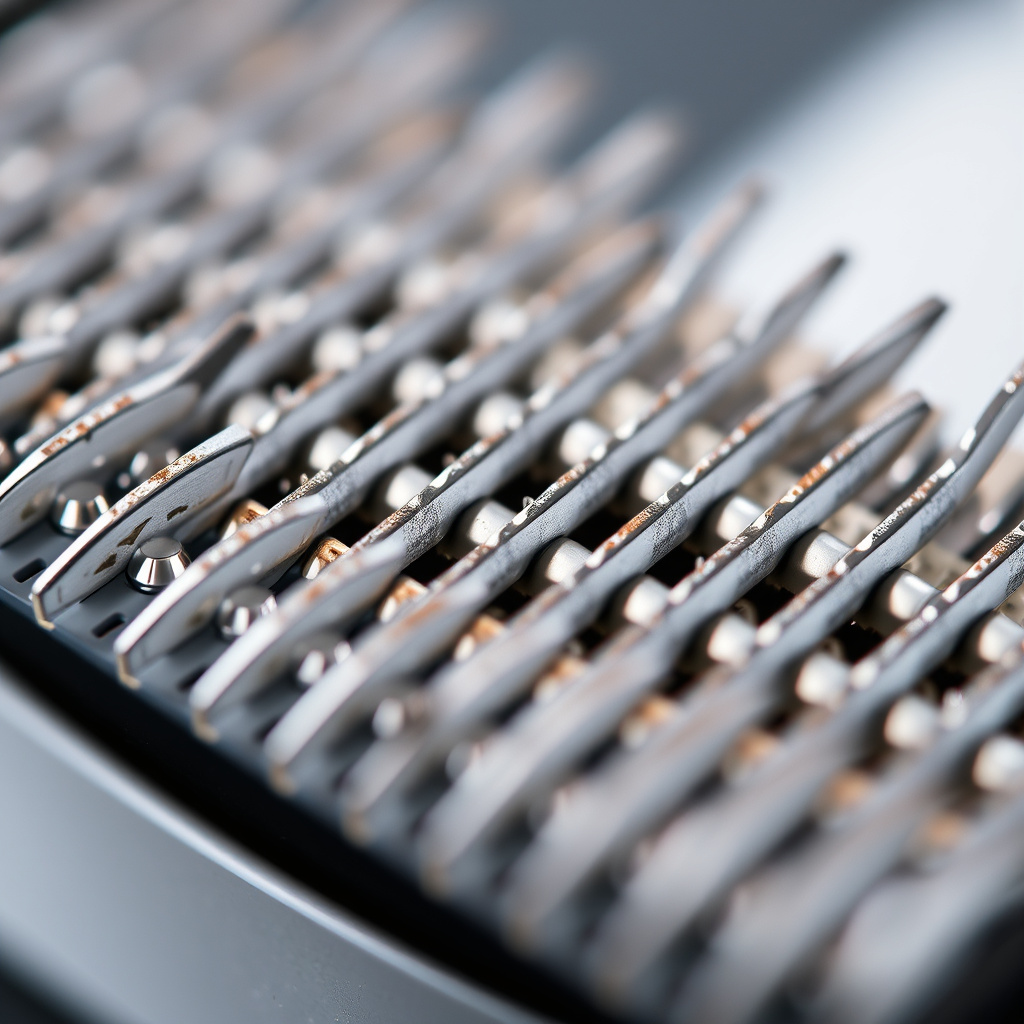
Hair trimmer blades come mainly in stainless steel, titanium-coated, and ceramic variants, each with unique benefits. Stainless steel blades are common and affordable, providing good sharpness and corrosion resistance. Titanium coatings increase durability and reduce friction, extending blade life.
Ceramic blades run cooler and maintain sharpness longer but tend to be more fragile and pricier. Choosing blade material depends on how frequently you trim, sensitivity of your skin, and budget.
- Stainless steel: durable and affordable
- Titanium-coated: enhanced hardness and longevity
- Ceramic: stays sharp longer, cooler to skin
Blade Maintenance and Replacement
Regular cleaning and oiling keep blades sharp and reduce skin irritation. Some hair trimmers allow easy blade detachment for thorough washing, which is ideal for hygiene. Over time, blades dull and replacements become necessary to maintain precision.
Check manufacturer guidelines for replacement intervals. Investing in a trimmer with accessible replacement parts helps sustain performance without buying a new device.
- Clean blades after each use
- Lubricate periodically to reduce wear
- Replace blades when dull or damaged
Motor Performance and Power Source
Types of Motors
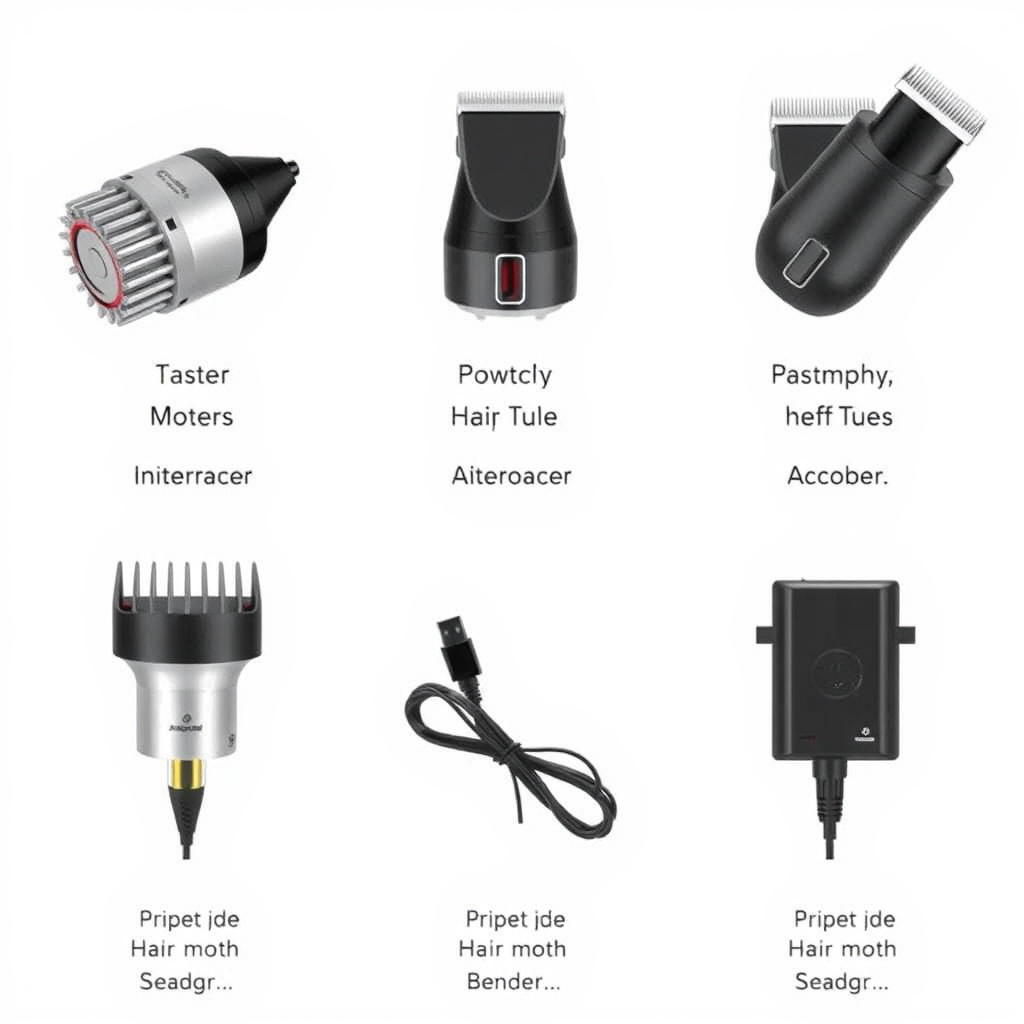
Hair trimmers generally come with magnetic, rotary, or pivot motors. Magnetic motors offer strong, fast blade movement suited for coarse hair types, but can be noisy. Rotary motors work well at lower speeds and provide gentle cutting, ideal for fine or thinning hair.
Pivot motors combine features of magnetic and rotary motors, offering smooth operation for versatile styling. Knowing motor types helps you match your hair texture and trimming preferences.
- Magnetic: powerful, fast cutting
- Rotary: quieter, gentle trimming
- Pivot: balanced performance
Choosing Between Corded and Cordless
Corded hair trimmers deliver constant power, eliminating worries about battery life but restrict mobility. They're better suited for home use where outlets are nearby. Cordless models provide portability and convenience, often featuring rechargeable batteries with runtime ranging from 40 minutes to over two hours.
Consider your grooming environment. If you travel frequently or prefer trimming on-the-go, a cordless option with quick charge capabilities will be more practical.
- Corded: steady power, limited mobility
- Cordless: portable, battery-dependent
- Hybrid models: cordless with cord charging
Length Settings and Attachments

Adjustable Length Settings
Most hair trimmers feature adjustable length settings using built-in dials or interchangeable comb attachments. The range can vary from 0.5 mm up to 25 mm or more. Fine length control allows precise hairstyling and grooming suited to your desired look.
Check how smoothly the adjustment mechanism works and if the settings stay locked during trimming to prevent accidental changes.
- Dial-based adjustable guards
- Multiple snap-on comb attachments
- Precision for fades and detailing
For more on this, see our related guide: How to Choose Hair Clippers: A Practical Guide for Every Grooming Style.
Specialized Attachments
Some trimmers include attachments designed for nose hair, ear hair, or body grooming. These accessories increase versatility but add to the overall cost. If you need multiple grooming functions in one tool, consider a model with these extras.
Evaluate if the attachments are easy to clean and fit securely to prevent discomfort or injury during use.
- Nose and ear hair trimmer heads
- Body grooming combs
- Detailing or precision trimmer units
Battery Life and Charging Features

Evaluating Battery Capacity
Battery life varies significantly between models, typically ranging from 40 minutes to 150 minutes per charge. If you plan multiple trims or longer sessions, prioritize a trimmer with longer runtime to avoid interruptions.
Lithium-ion batteries are preferred for their fast charging and longer lifespan compared to nickel-metal hydride batteries.
- Run time between charges
- Battery type: Li-ion vs NiMH
- Fast charge capabilities
Charging Options and Indicators
Charging methods include USB charging, dedicated charging docks, or plug-in chargers. Some trimmers provide quick-charge features offering several minutes of use with brief charging, useful for last-minute grooming.
Battery level indicators, either LED or digital displays, help monitor remaining charge and prevent unexpected power loss.
- USB vs wall charger
- Charging docks for easy storage
- Battery level indicators
Ease of Maintenance and Cleaning

Waterproof and Washable Designs
Fully waterproof trimmers allow simple cleaning under running water, which is more hygienic and convenient. Look for IPX-rated models that confirm water resistance to prevent damage.
Non-washable models require careful brush cleaning and oiling to maintain hygiene and performance, which can be more troublesome.
- IPX-rated waterproof trimmers
- Washable blade heads
- Cleaning brushes included
For more on this, see our related guide: How to Align Trimmer Blades for Precise and Safe Cutting.
Storage and Accessory Management
Consider storage solutions like protective cases or stands to keep your trimmer and accessories organized and safe. Accessories often get misplaced without proper storage, complicating grooming routines.
Some high-end models come with dedicated travel kits including comb attachments and cleaning tools, improving portability and maintenance ease.
- Hard or soft travel cases
- Accessory compartments
- Stand or charging dock storage
Choosing the Right Hair Trimmer for Your Needs
Trimmers for Different Hair Types
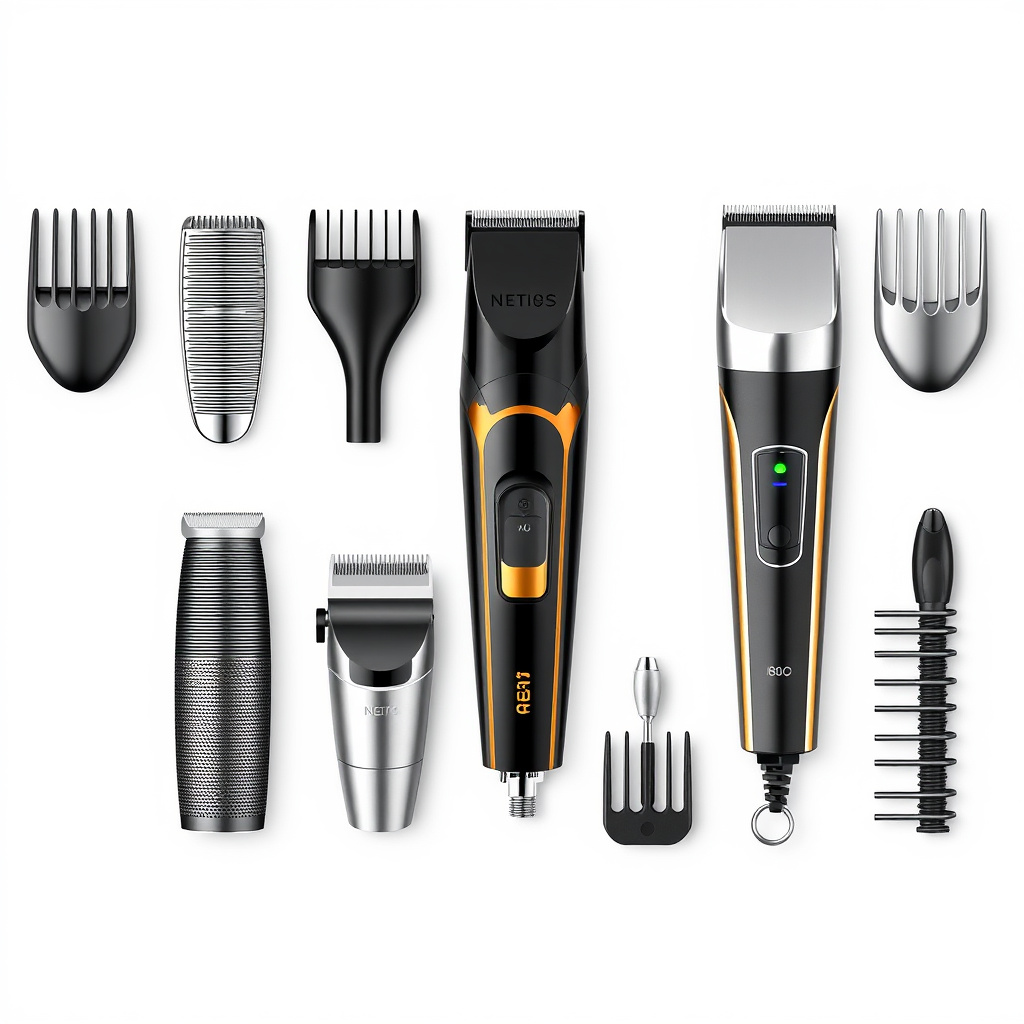
Coarse and thick hair typically requires a robust motor and sharp titanium-coated blades for efficient trimming without snagging. Fine or thinning hair benefits from quieter rotary motors and ceramic blades to prevent pulling and irritation.
Straight hair can be managed well with most trimmers, but curly or wavy hair may need tools designed for uneven textures to achieve clean cuts.
- Robust motor for thick hair
- Gentler blades for fine hair
- Texture-specific recommendations
For further historical and technical background, consult the hair clipper Wikipedia article. hair clipper Wikipedia article.
Considering Style Preferences
If you prefer precise edge trims or styling fades, look for detailed length controls and attachments suited for clean lines. For basic beard or hair maintenance, simpler adjustable guards might suffice.
Think about whether you want a multi-use trimmer for beard, hair, and body grooming or a specialized device focused on a specific task.
- Detailed control for styling
- Multi-use vs single-purpose
- Attachment versatility
Hair Trimmer Categories Comparison
This table compares various hair trimmer types highlighting performance and features to match your specific grooming needs.
| Category | Blade Material | Motor Type | Battery Life | Best For | Price Range |
|---|---|---|---|---|---|
| Basic Grooming Trimmer | Stainless Steel | Magnetic | Up to 60 mins | Simple beard and hair maintenance | $20–$40 |
| Professional Styling Trimmer | Titanium-Coated | Pivot | 90–120 mins | Precision cuts and fades | $60–$120 |
| Cordless Travel Trimmer | Ceramic | Rotary | 45–90 mins | Portable grooming on-the-go | $40–$70 |
| Multi-Function Groomer | Stainless Steel + Titanium | Magnetic | 80–150 mins | Body, beard, head hair trimming | $50–$100 |
| Luxury Waterproof Model | Ceramic | Pivot | 100–130 mins | Wet and dry use with easy cleaning | $100–$150 |
Frequently Asked Questions
How often should I replace hair trimmer blades?
Hair trimmer blades typically need replacing every 6 to 12 months, depending on usage frequency and maintenance. Signs like dullness, pulling hair, or skin irritation indicate it's time for new blades.
Can I use one hair trimmer for beard and scalp hair?
Many trimmers accommodate both beard and scalp hair, especially models with various attachments and adjustable lengths. However, specialized tools may perform better for detailed styling or thick hair types.
Is it better to choose cordless or corded hair trimmers?
Cordless trimmers offer portability and convenience, ideal for travel and quick touch-ups. Corded models provide uninterrupted power for longer grooming sessions at home. Your choice depends on preferred usage scenarios.
Are ceramic blades better than stainless steel blades?
Ceramic blades stay sharper and run cooler, reducing skin irritation, but are more fragile. Stainless steel blades are durable, affordable, and easier to replace, making them suitable for daily heavy use.
How do I clean my hair trimmer properly?
Cleaning involves removing hair debris with a brush after every use, lubricating blades according to the manual, and rinsing washable parts under water if the device allows. Regular cleaning extends trimmer life and hygiene.
Key Takeaways
- Select blade material and motor type based on hair texture and trimming needs.
- Consider cordless models with good battery life for flexibility or corded for consistent power.
- Adjustable length settings and attachments enhance styling versatility.
- Maintenance ease, such as washable designs, contributes to hygiene and tool lifespan.
Conclusion
Choosing a hair trimmer involves weighing features like blade quality, motor strength, length adjustability, and power options against your grooming habits and hair type. Understanding these factors lets you select a tool that delivers precise cuts and comfortable use, avoiding common frustrations such as irritation or underperformance. Keep in mind the importance of maintenance and replacement parts to sustain effective trimming over time.
For individuals needing detailed edge work or regular fades, professional styling trimmers with titanium-coated blades and pivot motors offer the best control. Those prioritizing portability might prefer cordless travel trimmers with ceramic blades and quick-charge functions. Multi-function groomers suit users wanting all-in-one solutions for hair, beard, and body trimming. Meanwhile, waterproof luxury models offer convenience for wet shaving and thorough cleaning. Each category aligns with specific styles and preferences.
If you are unsure where to begin, start by defining your primary trimming goals and hair texture. Then focus on a model that balances ease of maintenance, power source, and adjustable length options. Testing different types in stores or reading user reviews can further help pinpoint the right fit. With proper care, your chosen hair trimmer will become a reliable tool for consistent, comfortable grooming.




One Comment