How to Choose Hair Clippers: A Practical Guide for Every Grooming Style
Choosing the right hair clippers comes down to matching their features with how you plan to use them—whether for home grooming, professional styling, or precise detailing. Important factors include motor power, blade quality, ergonomics, and included accessories. Considering these will help you pick clippers that fit your needs perfectly.
Hair clippers play a key role in grooming routines, influencing how easily and cleanly you can cut hair. High-quality clippers reduce effort, improve comfort, and offer versatile styling options. On the other hand, a poorly chosen model might cause frustration or uneven cuts, so understanding their specifications matters more than many assume.
This guide will examine crucial clipper features, blade types, maintenance tips, power sources, and style options. You’ll also find a comparison of different clipper categories and expert answers to common questions, helping you make a confident decision on how to choose hair clippers that suit your exact grooming habits.
Understanding Hair Clippers: Key Features Explained
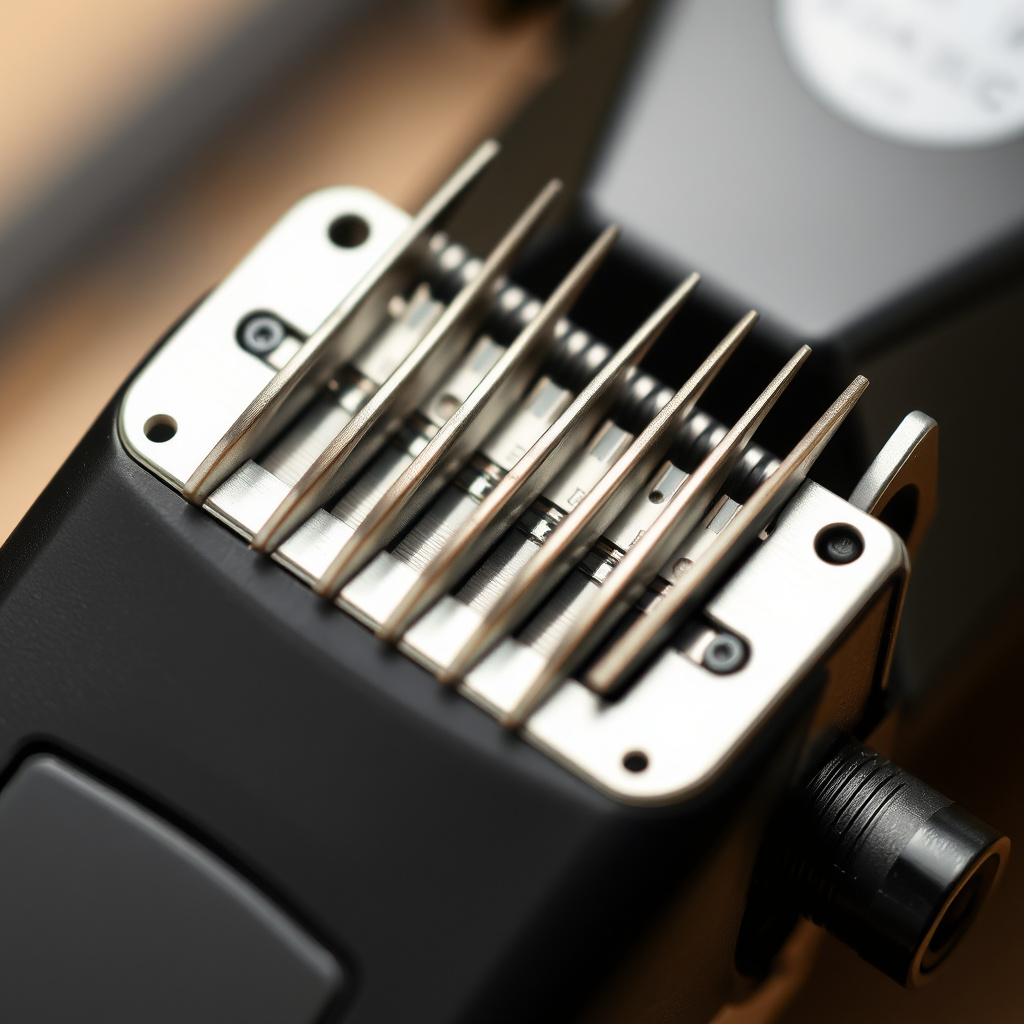
Motor Types and Performance
Hair clippers typically come with either magnetic, rotary, or pivot motors. Magnetic motors are lightweight and fast, suitable for thin to medium hair types but can struggle with thick hair. Rotary motors deliver more power and torque, making them ideal for thick hair or heavy-duty use. Pivot motors balance speed and power, usually found in mid-range models.
Choosing the right motor affects clipping efficiency and comfort. For frequent or professional use, a rotary motor may provide the best overall performance. For occasional trimming, magnetic models often suffice and are usually quieter.
- Magnetic: fast, lighter, less powerful
- Rotary: powerful, durable, handles thick hair
- Pivot: balance of speed and strength
Blade Quality and Maintenance
Blades are often made from stainless steel or ceramic. Stainless steel blades are standard and provide toughness with moderate sharpness, while ceramic blades hold their edge longer and resist heat buildup during use.
Proper maintenance involves regular cleaning, oiling, and occasional blade sharpening or replacement. Well-maintained blades ensure smooth cuts, reduce snagging, and extend the clipper’s lifespan.
- Stainless steel blades: durable and sharp
- Ceramic blades: stay sharper longer and cooler
- Regular lubrication prevents wear and tear
Power Source and Corded vs. Cordless Options

Corded Clippers: Consistent Power
Corded hair clippers do not rely on batteries, providing steady power without interruptions. They’re generally lighter because they omit battery packs and don’t need charging.
Their main drawback is limited mobility, as they require a nearby power outlet. For barbershops or home use near outlets, corded clippers offer reliability and longer run times.
For more on this, see our related guide: How to Fix a Hair Clipper That Pulls Hair: Simple Solutions That Work.
Cordless Clippers: Convenience and Flexibility
Cordless clippers use rechargeable batteries, offering freedom of movement and easier handling, especially in awkward angles or travel situations. Battery life varies from 30 minutes to over 2 hours depending on model and usage.
Modern cordless models often have quick-charge features, but losing power mid-cut can be a downside if not charged properly. Always check battery capacity and charging times before purchasing.
- Rechargeable for portability
- Watch for battery life and charging speed
- Ideal for touch-ups and travel
Clipper Design and Ergonomics for Comfortable Use

Ergonomic Shapes and Weight
Comfort during clipping depends heavily on the design and weight of the clippers. Models with contoured grips, rubberized surfaces, and balanced weight distribution reduce hand fatigue during long grooming sessions.
Lightweight clippers enhance maneuverability, especially for detailed work like edging and outlining. Heavier clippers may feel sturdier but can tire your hand faster.
- Look for non-slip grips
- Balance between weight and control
- Shapes that fit your hand size best
Noise Levels and Vibration
Some clippers produce more noise and vibration, which can be uncomfortable or startling. Quieter models often incorporate motor dampening and blade design upgrades.
If you or those you’re grooming are sensitive to sound or vibration, prioritize low-noise clippers. This is especially true for children’s haircuts or sensitive scalps.
Adjustable Cutting Length and Accessories Included

Choosing the Right Guards and Adjusters
Most hair clippers come with multiple guard sizes to control hair length. Quality sets include guards ranging from close trims to several inches, enabling a variety of styles from fades to uniform cuts.
Some models feature adjustable blades allowing fine length tweaks without switching guards, offering more precision and speed during grooming.
- Standard guard sizes from 1/16 inch to 1 inch or more
- Adjustable blade options for micro-length changes
- Consider your preferred haircut types when choosing guards
For more on this, see our related guide: How to Fix a Hair Clipper That Won’t Turn On: Step-by-Step Troubleshooting Guide.
Other Useful Accessories
Additional accessories can enhance usability: blade oil for upkeep, cleaning brushes to clear hair buildup, charging stands, and carrying cases for portability.
Some clippers also include detail trimmers for facial hair or body grooming, which adds versatility beyond scalp haircuts.
- Blade oil and cleaning brush
- Charging dock or USB cables
- Storage cases for organization
Clipper Types and Their Ideal Users

Professional vs. Home Use Clippers
Professional clippers typically feature stronger motors, metal housings, and longer durability to withstand frequent use. They often have more precise blade sets and ergonomic designs suited for stylists.
Clippers for home use emphasize ease, affordability, and versatility, with simpler controls, lighter weight, and included accessories for varied trims.
For a technical overview and history of hair clippers, you can explore the hair clipper information on Wikipedia. hair clipper information on Wikipedia.
Specialized Clippers for Pet Grooming or Detail Work
Certain clipper models target specific niche needs such as pet grooming, where blade sharpness and speed suitable for fur types matter. Detail clippers focus on edging, mustaches, and beards, offering refined blade shapes and slim designs for precision.
If your focus is broad grooming beyond scalp cuts, specialized clippers can provide superior results in those areas.
- Pet grooming clippers designed for fur textures
- Detail trimmers for precise facial hair styling
Hair Clippers Category Comparison
Here's a concise comparison of popular hair clipper categories to help you weigh features, power, and typical uses at a glance.
| Category | Motor Type | Typical Power | Corded / Cordless | Best For |
|---|---|---|---|---|
| Basic Home Clippers | Magnetic | Low to Medium | Mostly Corded | Occasional trims, thin hair |
| Mid-Range Clippers | Pivot or Rotary | Medium | Corded or Cordless | Regular home use, varied styles |
| Professional Clippers | Rotary | High | Corded or Cordless | Salon/stylist, thick hair, frequent use |
| Cordless Travel Clippers | Magnetic or Rotary | Medium | Cordless | Portability, quick touch-ups |
| Specialized Detail Trimmers | Magnetic | Low | Usually Cordless | Facial hair, edging, body grooming |
Frequently Asked Questions
How often should I oil my hair clippers?
Oiling hair clippers after every few uses reduces blade heat and prevents rust, ensuring smooth operation and longer blade life. Regular lubrication is essential for maintaining cutting quality.
Can I use the same clippers for beard and haircuts?
Yes, many clippers are versatile enough for both beard trimming and haircuts, especially if they come with a range of guard sizes and adjustable length settings.
Are ceramic blades better than stainless steel blades?
Ceramic blades hold sharpness longer and stay cooler than stainless steel, but they can be more brittle. Stainless steel blades are durable and easier to sharpen, making each ideal in different scenarios.
What’s the benefit of cordless hair clippers?
Cordless clippers provide mobility and convenience, especially when access to power outlets is limited. They’re great for travel and quick trims but require monitoring battery life.
Do professional clippers cost significantly more?
Professional clippers are often pricier due to superior build quality, more powerful motors, and longer durability. They justify cost if frequent use and precision are priorities.
Key Takeaways
- Motor type influences clipper power and suitability for hair thickness
- Blade material and maintenance directly affect cutting performance
- Corded vs. cordless choice depends on mobility needs and usage frequency
- Accessories and ergonomic design improve comfort and versatility
Conclusion
Choosing hair clippers involves evaluating how often and what types of cuts you expect to do. Start by matching motor strength to your hair type and considering blade quality for smooth, durable cuts. Factor in whether you prefer corded reliability or cordless freedom, as this affects your grooming setup and convenience. Accessories and ergonomic features should align with your comfort needs, especially if you clip regularly or for others.
If your grooming mostly happens at home with occasional trims, mid-range home use clippers often offer a balanced blend of features without excess cost. Professionals or those handling thick hair consistently may benefit from rotary motor models with stainless steel or ceramic blades designed for longevity. For travel or detail work, specialized cordless clippers offer portability and precision, complementing your main device. Choosing guards and blade adjustability tailored to your style range expands flexibility.
To proceed, assess your daily grooming routine and budget, then narrow down options focusing on the main features discussed. Testing clipper feel and weight before purchase can prevent surprises. With a little research focused on your requirements, you’ll find hair clippers that enhance your grooming experience with clean, comfortable results every time.




2 Comments