How to Do a Loc Updo: Stylish and Simple Natural Hair Tutorial
Doing a loc updo involves carefully gathering your locs into a stylish arrangement that can range from simple buns to intricate twists. The first step is to decide on the style you want, whether it’s a sleek bun, a braided crown, or a half-up look. You will typically need some hair ties, pins, or bands to secure your locs neatly in place.
Loc updos not only look great but also help protect your locs by reducing tangling and environmental damage. They are versatile for different occasions, from casual days to formal events. The beauty of an updo lies in its ability to keep your hair manageable while allowing you to express personal style.
This guide covers various loc updo techniques, including preparation, styling tips, and maintenance advice to keep your natural hair healthy and looking polished. You’ll learn how to execute classic styles like buns and twists as well as tips for accessorizing and caring for your locs during and after the updo.
Preparing Your Locs for an Updo

Cleaning and Moisturizing Locs
Clean locs create a solid foundation for any updo, so washing with a residue-free shampoo is essential before styling. Follow up with a light moisturizer or oil to keep your locs hydrated without weighing them down.
Proper moisture levels prevent breakage during manipulation. Avoid heavy products that cause buildup and opt for natural oils like jojoba or coconut oil to maintain sheen and softness.
- Use residue-free shampoo
- Apply lightweight hair oil
- Avoid heavy creams before styling
Detangling and Sectioning
Detangle gently around the scalp using your fingers or a wide-tooth comb to remove knots without disturbing loc integrity. Once detangled, section your locs to organize the styling process.
Sections help manage thicker locs and allow for more precise styling. Use clips or bands to keep sections separate as you work on your chosen updo.
- Finger detangle carefully
- Section locs with hair ties or clips
- Work in small manageable sections
Basic Loc Updo Styles

Classic Loc Bun
The bun is a foundational loc updo that's simple and elegant. Gather your locs into a high or low ponytail and twist them around the base to create a coil. Secure with pins or a hair tie to hold the shape firmly.
This style works well for various loc lengths and offers a neat appearance suitable for both everyday wear and special occasions.
- Gather locs into ponytail
- Twist around base to form bun
- Secure with pins or band
Twisted Half-Up Half-Down
For a relaxed look, separate the front half of your locs and twist or braid each section. Pull these twists back and pin them together. Leave the rest of your locs free-flowing for an effortless but stylish updo.
This style highlights your natural texture while keeping hair out of your face, combining ease and charm in one look.
- Twist front sections of locs
- Pull twists and pin at back
- Leave back locs down
Advanced Loc Updo Techniques
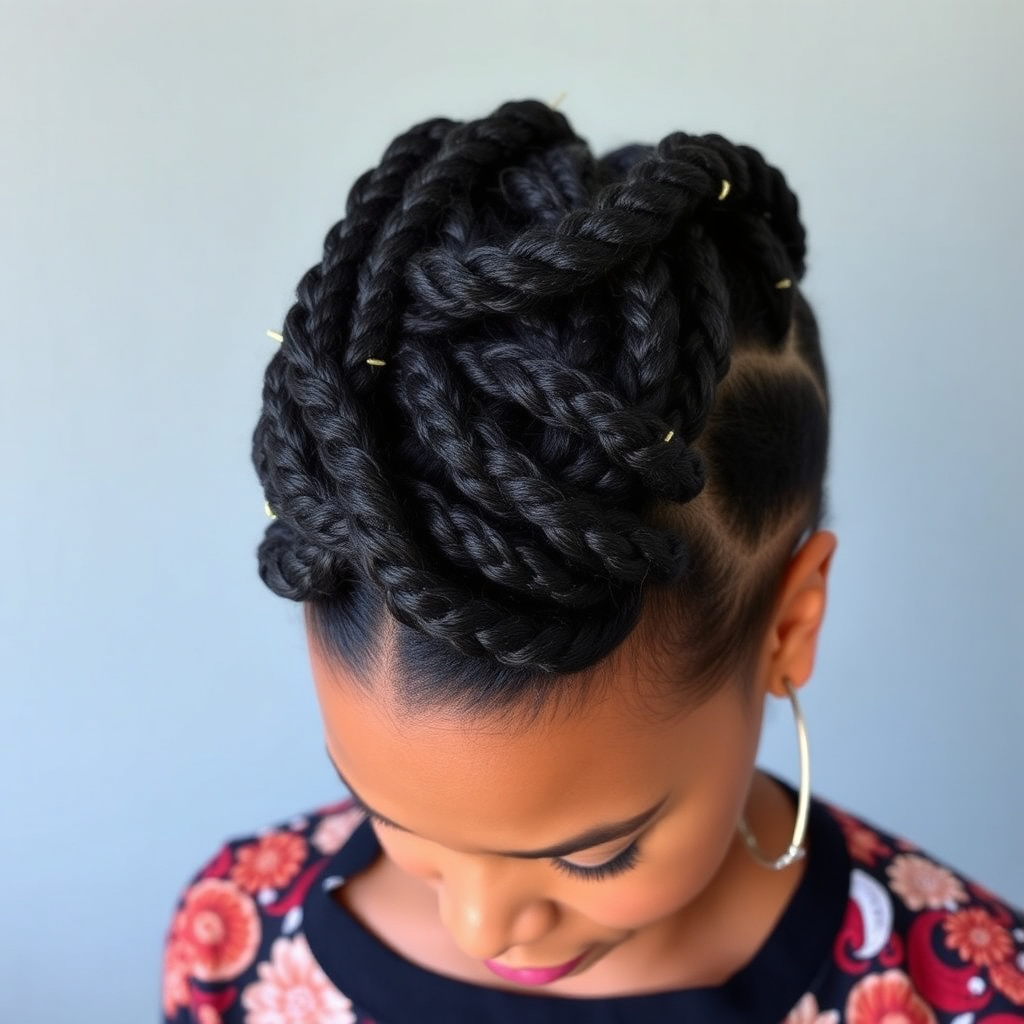
Braided Crown Updo
Create a regal braided crown by braiding locs around your hairline in a circular pattern. Secure ends with pins for a seamless look. This style requires medium to long locs and some braiding experience.
The braided crown protects your edges and frames the face beautifully, making it perfect for formal events.
- Braid locs around the hairline
- Pin ends discreetly
- Ensure even tension
For more on this, see our related guide: How to Do Faux Locs: A Step-by-Step Guide for Stylish Protective Hairstyles.
Pinned Loc Twists
Pin individual twists or small loc sections strategically to create volume and shape. This technique allows for a custom design, from asymmetrical updos to layered looks.
Using strong but gentle bobby pins can hold your locs without causing damage or slips.
- Twist small loc sections
- Use sturdy pins
- Arrange for desired shape
Caring for Locs After an Updo

Nighttime Maintenance
At night, protect your loc updo with a satin or silk scarf or bonnet to reduce friction. This maintains moisture and prevents frizz.
Sleeping on a satin pillowcase can add extra protection for your hair and skin.
- Wrap locs in satin scarf
- Use satin pillowcase
- Re-moisturize if needed
Refreshing Locs Between Washes
To refresh your locs without washing, lightly spritz with water mixed with essential oils and massage your scalp to stimulate growth and reduce itchiness.
Use a loc spray designed for hydration and avoid heavy buildup products to keep your style fresh and your locs healthy.
- Use water and essential oils spray
- Massage scalp gently
- Avoid heavy creams
Tools and Accessories for Loc Updos

Essential Styling Tools
Key tools include strong hair ties, bobby pins, and styling combs that help shape your loc updo without causing breakage or snagging.
Invest in satin-lined bands or pins with smooth edges tailored for locs to protect your hair’s integrity during styling.
- Strong hair ties
- Bobby pins for thick hair
- Wide-tooth comb or loc hook
For more on this, see our related guide: How to Do Knotless Braids on Yourself: A Step-by-Step Guide.
Decorative Accessories
Add flair to any loc updo with beads, cuffs, or hair jewels that slide onto or clip around locs. These enhance your style and add personal expression.
Select accessories that won’t pull on or damage your locs to maintain healthy hair.
- Loc beads and cuffs
- Hair jewels
- Non-damaging clips
Common Loc Updo Mistakes to Avoid

Tight Styling and Scalp Stress
Pulling locs too tightly in an updo can cause tension headaches and damage to your hair follicles. It's important to secure styles without excessive force.
Be mindful of soreness during or after styling, which signals the need to loosen your updo or use fewer pins.
- Avoid excessive pulling
- Use gentle pins
- Listen to scalp discomfort
Exploring the history and cultural significance of loc hairstyles adds depth to your styling choices; a reliable source for this is the Wikipedia page on locs. Loc hairstyle history and culture.
Using Heavy Products
Heavy gels or waxes can weigh down your locs and lead to buildup, making your hair greasy or stiff during updos. Opt for lightweight products tailored for natural hair.
Product buildup can affect the longevity and cleanliness of your style, so minimal product use is best.
- Choose lightweight oils
- Avoid heavy waxes
- Clean locs regularly
Loc Updo Style Comparison
Here's a quick comparison of common loc updo styles highlighting ease, protection, and occasion suitability.
| Style | Ease of Styling | Hair Length Required | Protective Benefits | Best For |
|---|---|---|---|---|
| Classic Bun | Easy | Short to Long | Good | Everyday & Formal |
| Twisted Half-Up | Moderate | Medium to Long | Moderate | Casual & Work |
| Braided Crown | Advanced | Medium to Long | Excellent | Formal & Special Events |
| Pinned Twists | Moderate | Medium to Long | Good | Creative & Party |
| Simple Ponytail Updo | Very Easy | Short to Medium | Minimal | Quick & Casual |
Frequently Asked Questions
How often should I wash my locs before doing an updo?
Washing your locs every 1-2 weeks keeps them clean and manageable for styling. Avoid washing right before an updo to prevent excessive moisture; the hair should be dry or slightly damp to maintain hold.
Can I use heat tools on my loc updo?
Heat tools are generally not recommended for locs as they can damage hair and weaken the loc structure. Stick with heat-free styling methods like twisting and pinning to keep locs healthy.
What products are best for maintaining my loc updo?
Lightweight oils like jojoba or argan are ideal for moisturizing. Use loc sprays with natural ingredients for hydration and avoid heavy gels or waxes to prevent buildup.
Is it okay to sleep with my loc updo intact?
Yes, but protect your style with a satin or silk scarf or bonnet. This reduces frizz and friction, helping your updo last longer and keeping your locs soft.
How can I prevent my scalp from itching during an updo?
Keep your scalp moisturized with light oils and avoid excessively tight styles. Regular scalp massages can stimulate circulation and reduce itchiness while enhancing comfort.
Key Takeaways
- Start with clean, moisturized locs for the best updo results.
- Protect your scalp by avoiding tight styling and heavy products.
- Use sectioning and accessories to create versatile loc updo styles.
- Maintain styles overnight with satin coverings to preserve moisture and shape.
Conclusion
Choosing and creating a loc updo depends largely on the health of your locs, the occasion, and your styling skill level. Begin with well-prepared, moisturized hair and select a style that fits your hair length and personal comfort. Pay close attention to the tension applied while styling to prevent damage to your scalp and hair follicles. Understanding the characteristics of different loc updo styles helps you balance looks with hair protection effectively. Regular maintenance with appropriate moisturizers and nighttime protection can extend the life and neatness of your chosen updo.
For those seeking simple, everyday solutions, the classic bun or twisted half-up styles offer quick yet elegant options that suit most hair lengths. If you want a more elevated look for special events, the braided crown or pinned twists add sophistication and dimension to your appearance. Remember that styling tools and accessories tailored for locs contribute greatly to the success of your updo. Lightweight oils and minimal product use help preserve the natural texture and vitality of your locs while keeping styles fresh.
If you are new to loc updos, start with easier styles and experiment with sectioning and pinning to find what works best for your hair type. Protect your locs with regular cleansing and hydration routines, and always safeguard your styles at night with satin scarves. Over time, you’ll build a collection of favored updos that align with your lifestyle and aesthetic. For detailed historical and cultural insights into loc hairstyles and care, visiting the linked resource can enrich your appreciation and approach.


One Comment