How to Shape Up a Beard: A Step-by-Step Grooming Guide
Shaping up a beard effectively means trimming and defining its edges to match your face shape while keeping the style clean and intentional. To shape a beard well, start by trimming stray hairs, creating a defined neckline and cheek line, and choosing the right length for a balanced look. This results in a more polished appearance and prevents a messy, untamed beard.
The way you maintain your beard influences how neat and structured it looks. Proper shaping enhances facial features, complements your hairstyle, and improves your overall style. Regular grooming keeps the beard healthy, reduces itchiness, and prevents split ends. Shaping is not just about aesthetics but also about beard health and comfort.
This guide will cover essential techniques to shape up a beard, including preparing your hair, selecting tools, determining your ideal beard shape based on your face, and detailed steps on trimming different areas like the neckline, cheeks, and mustache. We'll also review popular beard trimmers and styling tips to keep your beard looking sharp over time.
Understanding Your Face Shape for Beard Shaping

Identifying Your Face Shape
Recognizing your face shape is the foundation for achieving a beard style that enhances your natural features. Common shapes include oval, square, round, and heart-shaped. Measuring key points like jawline width, cheekbones, and forehead can help you categorize your face shape accurately.
Knowing your face shape helps guide your beard shaping decisions, ensuring your facial hair balances proportions, adds definition, and highlights your best angles. Tailoring beard edges and length to your face prevents an unintended bulky or disproportionate look.
Matching Beard Styles to Face Shapes
Once you've identified your face shape, selecting a beard style that complements it is easier. For example, a square face benefits from rounded edges to soften the jawline, whereas a round face is complemented by angular lines that add structure.
Adjusting the length and defining key lines, such as the neckline and cheek line, are critical steps to achieve the desired contrast and balance. Choosing a style that works well with your natural hair growth patterns further enhances both comfort and ease of upkeep.
Essential Tools for How to Shape Up a Beard
Choosing the Right Beard Trimmer
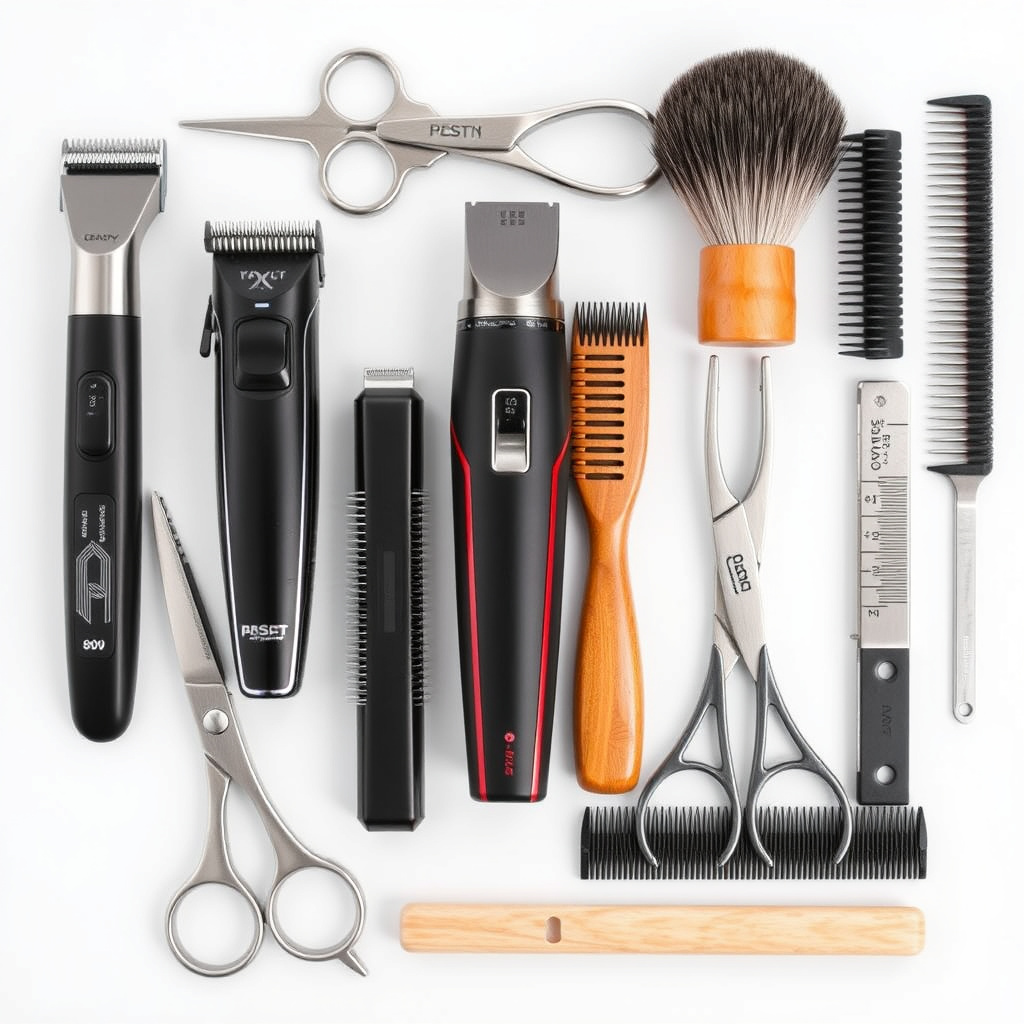
A quality beard trimmer is central to shaping your beard with precision. Look for trimmers with adjustable guards, sharp blades, and ergonomic designs. Cordless trimmers offer flexibility, while dedicated beard trimmers often have features optimized for facial hair texture.
The best beard trimmer for shaping allows you to control length easily and can define edges sharply. Consider battery life, waterproofing, and included accessories such as detailed combs to achieve professional-level shaping at home.
- Adjustable length settings
- Sharp stainless steel blades
- Cordless operation
- Various guard attachments
Complementary Grooming Tools
Beyond trimmers, scissors help trim longer, uneven hairs, while a beard comb or brush assists in detangling and guiding facial hair during shaping. A razor or detail shaver can refine cheek lines and necklines for crisp edges.
Beard oil and balm also play a role in grooming by maintaining softness and reducing irritation. Together, these tools enable you to maintain a well-shaped beard with neat lines and healthy texture.
- Beard scissors for precision trimming
- Boar bristle beard brush
- Detail razor for sharp lines
- Beard balm or oil for conditioning
Preparing Your Beard for Shaping

Cleaning and Conditioning
Start by washing your beard with a gentle beard shampoo to remove dirt, oils, and product buildup. Clean hair is easier to trim evenly and gives a true sense of your beard’s natural shape and thickness.
After washing, apply beard conditioner or oil to soften the hair. Softer hair reduces tugging during trimming and helps in achieving smoother edges, leading to a cleaner shape.
For more on this, see our related guide: How to Use a Hair Trimmer for Edge Up: A Step-by-Step Guide.
Drying and Combing
Dry your beard completely using a towel or blow dryer on a low setting. Wet hair can appear longer, leading to inaccurate trimming. A dry beard shows the natural length and allows for precise shaping.
Comb through your beard to detangle knots and distribute oils evenly. This straightens the hair for consistent cutting and reveals any stray hairs that need trimming.
Shaping Key Beard Areas: Neckline and Cheeks

Defining the Neckline
The neckline sets the foundation for beard shape. Locate it by placing two fingers above your Adam's apple; the neckline should follow a curved line connecting behind the jawbone just above that point. Trimming below this line removes excess growth for a tidy appearance.
Avoid cutting too high on the neck to maintain a natural profile. Use a trimmer to clean the area below this line, then define the edge sharply with a detail razor or precision trimmer for a crisp boundary.
- Locate neckline about two fingers above Adam’s apple
- Trim hair below neckline
- Use detail razor for clean edge
Shaping the Cheek Line
The cheek line frames the upper edge of your beard. While natural growth varies, shaping this line helps avoid an overly bushy look on your cheeks. Use a trimmer or razor to create a clean, somewhat curved line that follows the natural hair pattern but removes stray hairs.
For a sharper, modern look, some prefer a straighter cheek line; others opt for a softer curve for a classic style. Tailor the cheek line to your overall beard shape to create harmony.
Trimming Beard Length and Maintaining Style

Selecting the Length Guard
Choosing the right guard length on your trimmer is critical to keep your beard at your preferred style. Start with a longer guard to avoid over-trimming, then gradually shorten until you reach the desired length. This method prevents removing too much hair accidentally.
Uniform trimming keeps the beard balanced and enhances definition. Experiment with guards within a range that suits your face shape and personal style.
- Begin trimming with longest guard
- Shorten gradually
- Keep beard balanced
For more on this, see our related guide: How to Cut Your Own Hair with Clippers: A Step-by-Step Guide.
Regular Maintenance Trims
To keep a freshly shaped beard looking sharp, perform regular maintenance trims every 1-2 weeks. Focus on stray hairs that grow unevenly and redefine cheek and neckline edges as needed.
Use scissors for precision cutting of longer strands and keep your trimmer blades clean and sharp to prevent pulling. Consistency in trimming preserves the overall shape with minimal effort.
- Trim stray hairs weekly
- Redefine edges when needed
- Keep trimmer blades clean
Styling and Caring for Your Beard Post-Shaping
Applying Beard Oils and Balms
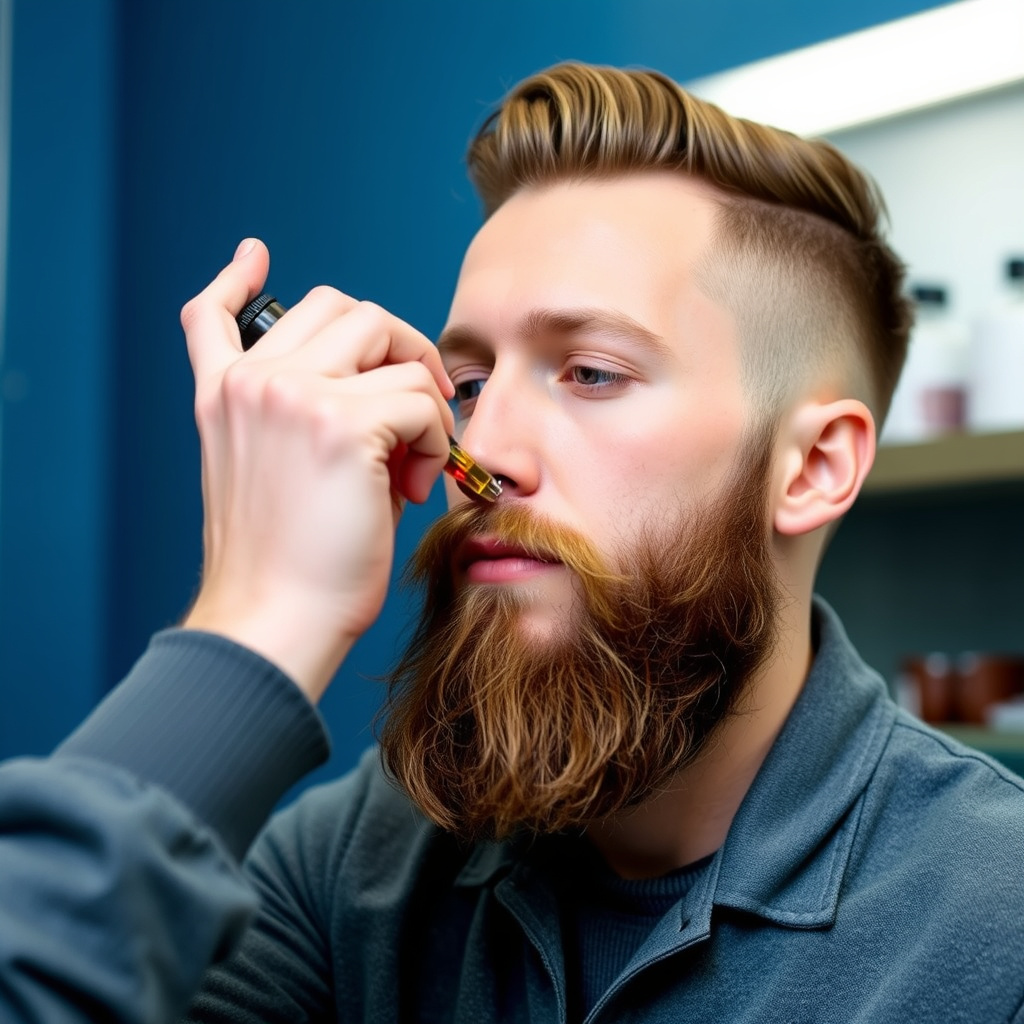
After shaping and trimming, apply beard oil to hydrate hair and skin, which reduces dryness and itchiness. Beard balms can help style and hold the shape, especially for longer or thicker beards.
Regular use of these products keeps facial hair soft, promotes healthy growth, and gives your beard a polished finish that enhances the clean shape you’ve created.
- Hydrates and softens beard
- Reduces skin irritation
- Adds subtle shine and control
For more detailed information on beard grooming techniques, this comprehensive Wikipedia article provides useful insights. beard grooming techniques.
Using Beard Brushes and Combs
Brushing your beard daily helps distribute oils evenly and maintains the shaped style by training hairs to lie flat. A boar bristle brush is excellent for this purpose, while a comb assists in detangling and final shaping.
Consistent brushing prevents matting and keeps the beard looking tidy between trims, preserving the crisp lines you’ve worked to achieve.
- Distributes natural oils
- Trains hair direction
- Prevents tangles and matting
Comparison of Popular Beard Trimmer Types for Shaping
Here's a comparative overview of common beard trimmer types to help you pick the best option for shaping your beard.
| Trimmer Type | Precision | Battery Life | Ease of Use |
|---|---|---|---|
| Cordless Rechargeable | High precision with adjustable guards | Up to 90 minutes | Very user-friendly, portable |
| Corded Electric | Good precision, consistent power | Unlimited (while plugged in) | Simple but less portable |
| Battery Operated (AA/AAA) | Moderate precision | Limited by battery type | Lightweight but may lack power |
| Multi-Use Grooming Kit | High precision with multiple attachments | 60-80 minutes | Versatile but more complex |
Frequently Asked Questions
How often should I shape up my beard?
Most men benefit from shaping their beard every 1 to 2 weeks to maintain a clean look and manage growth. This frequency can vary depending on hair growth speed and personal style preferences.
Can I shape my beard without professional help?
Yes, with the right tools and guidance, shaping your beard at home is achievable. Starting slowly with longer guards and practicing neat trimming techniques reduces the risk of mistakes.
What is the best time to shape my beard?
Shaping your beard after washing and drying it is ideal because clean, dry hair shows its true length and texture, allowing for more accurate trimming and shaping.
How do I define a natural-looking cheek line?
Follow the natural growth pattern of your beard hairs and remove stray hairs that extend too far up. A lightly curved line usually results in a natural, flattering appearance.
Is beard oil necessary after shaping my beard?
While not mandatory, beard oil helps keep the hair soft and skin moisturized, which supports healthy beard growth and enhances the appearance of your freshly shaped beard.
Key Takeaways
- Tailor your beard shape to your specific face shape for best results.
- Use a quality beard trimmer with adjustable guards to control length.
- Define neckline and cheek lines carefully to avoid a messy look.
- Maintain your beard regularly with trimming and proper care products.
Conclusion
Shaping up a beard is a practical skill that combines understanding your face shape with proper grooming techniques. By carefully defining key areas like the neckline and cheek line and using the right tools, you can transform a rugged beard into a polished style that suits you well. Regular maintenance helps keep your beard looking intentional and fresh, which makes a strong impression and boosts confidence.
Based on your facial features and desired beard style, select suitable trimmer types such as cordless rechargeable models for flexibility or multi-use grooming kits if you want more styling options. Pay attention to the length guard settings to avoid trimming too much and maintain a balanced silhouette. Incorporate conditioning products like beard oils and balms to keep your facial hair healthy, soft, and manageable, which complements the sharp lines of your shaped beard.
To begin shaping your beard, wash and dry your facial hair thoroughly so you can see its true length. Define your neckline and cheek lines progressively, trimming conservatively at first. With patience and regular care, shaping your beard will become easier and yield satisfying results. Investing in a good beard trimmer and consistent grooming routine is the next practical step in crafting a beard that highlights your personal style confidently.