How to Stop Biting Your Nails: Effective Strategies to Break the Habit
How to stop biting your nails is a question many people ask because this habit can be tough to break. The key is to identify your triggers and use targeted strategies like behavioral adjustments, physical barriers, and stress management to reduce the urge gradually.
Nail biting often stems from anxiety, boredom, or even genetic tendencies, and ignoring these root causes leads to repeated failure attempts. Overcoming it can improve the appearance of your nails, reduce infection risk, and boost confidence.
This article covers practical approaches including understanding triggers, behavior modification techniques, nail care routines, stress relief methods, and tips on staying motivated to stop biting your nails for good.
Identifying Causes and Triggers of Nail Biting

Psychological and Emotional Triggers
Nail biting often increases during periods of stress, anxiety, or when someone feels bored. Being aware of these emotional triggers helps in creating effective interventions to prevent the behavior before it starts.
Mindfulness can help catch the first urges to bite nails. By recognizing stressful moments or anxious feelings, individuals can redirect their focus to healthier coping mechanisms.
Environmental and Situational Triggers
Certain environments or situations, like studying, watching TV, or waiting in lines, may unconsciously lead to nail biting. Noticing these situational contexts is key to breaking the habit.
Modifying your surroundings—such as keeping hands busy with stress balls or fidget toys—and avoiding long periods of inactivity can reduce the frequency of nail biting incidents.
Behavioral Techniques to Stop Biting Your Nails

Using Physical Barriers and Reminders
Applying bitter-tasting nail polish designed to deter biting can provide immediate feedback and discourage the habit. Gloves or adhesive bandages around fingers also serve as physical barriers.
Visual cues like rubber bands on the wrist or sticky notes reminding yourself not to bite can increase awareness and inhibit unconscious nail biting.
- Bitter nail polish options
- Wearing gloves during triggers
- Setting visual reminders
- Using adhesive bandages
Habit Reversal Training
Habit reversal training includes recognizing the urge and substituting nail biting with a more constructive behavior such as squeezing a stress ball or tapping fingers.
Consistently practicing this technique helps rewire neural pathways over time, reducing the impulse to bite nails and increasing self-control.
Nail Care and Maintenance Strategies
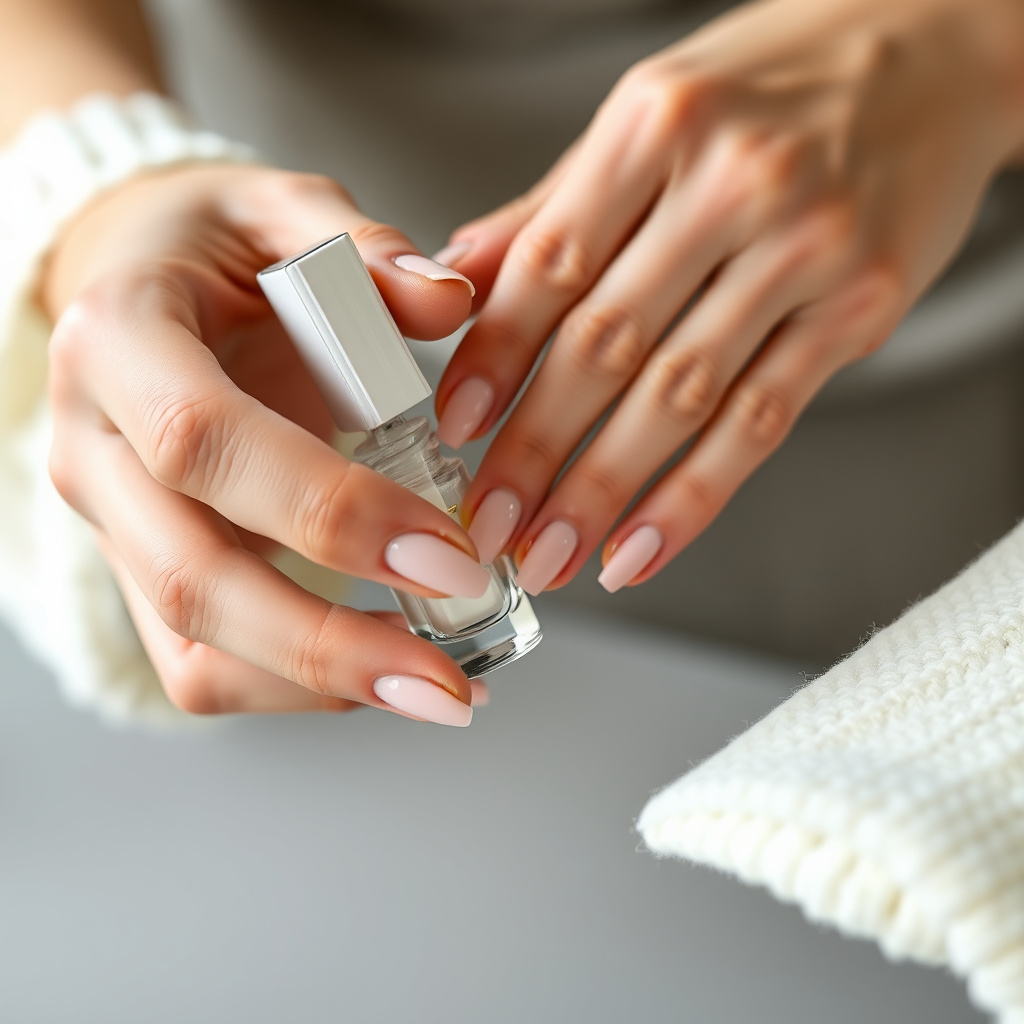
Maintaining Healthy Nails
Regular manicures and nail trimming reduce the temptation to bite by minimizing uneven edges or rough patches. Well-groomed nails can create a sense of pride and encourage better care.
Moisturizing cuticles and nails keeps the skin healthy and less prone to picking or biting, which often happens when nails look dry or damaged.
Applying Nail Strengtheners and Protective Products
Specialized nail strengtheners and protective coatings fortify nails against damage, making nail biting less rewarding. These products also often have a texture or taste that discourages biting.
Using polish that hardens nails or creates a clear glossy layer can subtly remind you to avoid biting because it will be harder to chew through.
Managing Stress and Anxiety as a Root Cause

Mindfulness and Relaxation Techniques
Practicing mindfulness meditation helps reduce the nervous energy that feeds into nail biting. Focused breathing and body awareness can calm anxiety and disrupt habitual biting patterns.
Incorporating daily relaxation routines such as yoga or deep breathing exercises lowers overall stress, decreasing triggers that lead to chewing nails.
Physical Activity and Stress Reduction
Regular physical exercise is proven to lower anxiety levels and distract from bad habits like nail biting. Activities like jogging, swimming, or even walking promote a healthier outlet for stress.
Even short, frequent breaks involving stretching or movement can reduce the build-up of tension that causes nail biting in sedentary situations.
Staying Motivated and Tracking Progress

Setting Realistic Goals and Tracking
Setting achievable milestones, such as going a day without biting and gradually increasing, builds confidence. Daily tracking in a journal or app boosts accountability.
Recording setbacks without discouragement helps identify patterns and adjust strategies to meet your goal of stopping nail biting for good.
For more detailed information about nail biting and its psychological aspects, the Wikipedia page on nail biting offers extensive insights. nail biting.
Reward Systems and Positive Reinforcement
Rewarding yourself for progress reinforces positive habits. Rewards could be buying a nail care kit or treating yourself to activities you enjoy.
Sharing your progress with friends or support groups provides encouragement and external motivation, making the journey more manageable.
- Daily or weekly rewards
- Sharing goals with friends
- Using progress-tracking apps
Comparison of Nail Biting Remedies
Here is a comparison of common nail biting remedies to help you choose which might work best for your needs.
| Remedy | Effectiveness | Cost | Ease of Use | Duration of Use |
|---|---|---|---|---|
| Bitter-tasting Nail Polish | High | $10-$15 | Easy | Long-term |
| Behavioral Therapy (Habit Reversal) | Very High | $ | Moderate | Long-term |
| Physical Barriers (Gloves, Bandages) | Moderate | Low | Moderate | Short-term |
| Stress Balls and Fidget Toys | Moderate | $5-$20 | Easy | Ongoing |
| Mindfulness and Relaxation | High | Free | Requires Practice | Ongoing |
Frequently Asked Questions
Can nail biting cause infections?
Yes, biting nails can create breaks in the skin and introduce bacteria, leading to infections around the nail beds and possible health risks.
How long does it usually take to stop biting nails?
The time varies by person but generally can take several weeks to months, depending on how consistently techniques are applied.
Is nail biting more common in children or adults?
Nail biting is common in both children and adults, but many children outgrow the habit. Adults who continue often have underlying stress or anxiety issues.
Do bitter nail polishes really work?
Bitter nail polishes can be effective by providing unpleasant taste feedback that discourages biting, especially when combined with other methods.
Can nail care alone stop nail biting?
While good nail care can reduce temptation, nail biting typically requires behavioral or psychological approaches to fully stop the habit.
Key Takeaways
- Identify emotional and situational triggers for nail biting to better control urges.
- Use physical deterrents like bitter nail polish and habit reversal techniques for best results.
- Manage underlying stress with relaxation and exercise to reduce nail biting triggers.
- Track progress and reward yourself to stay motivated on your nail biting journey.
Conclusion
Breaking the habit of nail biting involves a comprehensive approach that addresses both the physical behavior and the emotional triggers behind it. Understanding why you bite your nails is the first step in crafting an effective plan. Combining habit reversal training with practical barriers like bitter nail polish can significantly reduce the urge. Meanwhile, managing stress through mindfulness or exercise decreases the root causes that often fuel nail biting. Consistency and patience are essential as habits take time to change.
For those struggling with persistent nail biting, starting with physical deterrents such as bitter-tasting polishes or wearing gloves during high-risk activities can provide immediate relief. Incorporating stress management techniques like meditation or regular workouts supports long-term success. Additionally, habit reversal, which replaces nail biting with healthier actions, strengthens self-control over time. Tracking progress visually encourages perseverance, especially when small wins are rewarded. Tailoring these methods based on individual needs enhances their effectiveness.
Taking action now means choosing the right combination of strategies and committing to gradual progress. Begin by observing your triggers and trying out suitable deterrents and relaxation tools. Celebrate small milestones and adjust techniques as needed to find what keeps you from biting your nails. Over time, these efforts not only improve nail health but also boost your confidence and well-being. Your hands can become a signal of care and self-control rather than a source of frustration.