Understanding What a Taper Lever on Clippers Is and How It Works
A taper lever on clippers is a small, movable lever positioned on the side of the clipper’s blade assembly, designed to adjust the closeness of the cut without changing the blade. By sliding this lever, you can increase or decrease the gap between the blade teeth and the guard, allowing for finer control over hair length during trimming.
This feature matters most for achieving smooth fades, tapers, and blending between different hair lengths. Instead of swapping out blades or guards constantly, the taper lever provides a quick way to subtly shorten or lengthen the cut, creating seamless transitions and saving time for both professionals and at-home users.
This article will explore how the taper lever functions, its advantages, key considerations for choosing clippers with this feature, and tips for mastering its use effectively.
How a Taper Lever on Clippers Adjusts Cutting Length

Mechanics of the Taper Lever
The taper lever controls the position of the blade’s moving part relative to the fixed blade, changing the hair length cut without removing or switching blade attachments. Sliding the lever up causes the blades to close more tightly, resulting in a shorter cut.
Moving the lever down opens the blades slightly, producing a longer cut. This fine-grade adjustment allows barbers and users to create gradients smoothly during fades or tapers.
Range of Length Adjustment Provided
Typically, the taper lever adjusts cutting lengths within a narrow range, often around 0.5 to 1.5 millimeters. This range varies depending on clipper model and blade type but is ideal for fine-tuning lengths close to skin or blending between clipper guard sizes.
The taper lever complements clipper guards by bridging gaps between guard lengths, allowing more precision without frequently switching attachments.
Benefits of Using Clippers with a Taper Lever

Enhanced Control for Fades and Tapers
The taper lever offers barbers detailed control to seamlessly blend different hair lengths. Instead of abrupt lines between guard sizes, lever movement creates smooth fades, yielding polished results.
This control is critical for professional styling and for users wanting a clean, gradual haircut at home.
Convenience and Speed
Instead of pausing to change clipper guards repeatedly, barbers can adjust the taper lever for quick length shifts. This speeds up the haircut process without compromising on precision.
At home, it reduces the complexity of managing multiple clipper attachments when maintaining hairstyles.
Types of Clippers Featuring a Taper Lever

Professional-Grade Clippers
Most professional barber clippers include a taper lever as a standard feature due to the importance of fades and detail work in salon settings. These models offer durable builds and high-precision lever movements.
They are often corded or cordless versions used widely in barbershops.
For more on this, see our related guide: How to Cut Your Own Hair with Clippers: A Step-by-Step Guide.
Consumer and Home Grooming Clippers
Many home-use clippers also incorporate taper levers to provide users with finer length control beyond basic guards. These models balance ease of use with adjustable cutting, catering to personal grooming needs.
Entry-level clippers may lack this feature, focusing on preset guard lengths instead.
How to Use a Taper Lever for Different Haircuts
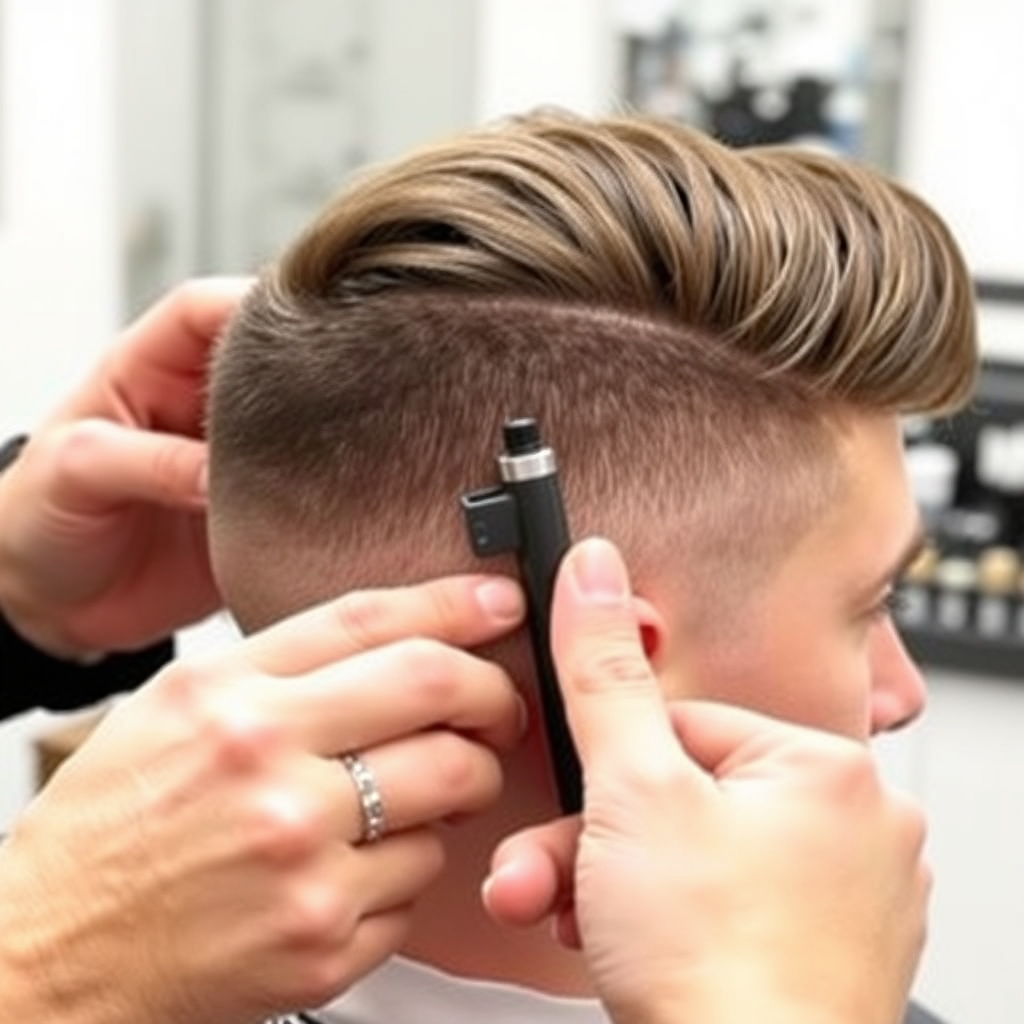
Creating Fades and Graduated Tapers
Start with a longer guard to remove bulk, then use the taper lever to gradually close the blades on shorter passes near the neckline or sides. This technique blends hair lengths smoothly.
Practice moving the lever slowly for subtle transitions and avoid abrupt changes to maintain evenness.
Maintaining Uniform Lengths
For even trims without guards, use the taper lever set in the middle position to cut hair uniformly at a set length. This method is helpful for quick trims or beard outlining.
Adjust the lever slightly if you want to trim hair closer or leave a bit more length without changing blades.
Key Maintenance Tips for Clippers with a Taper Lever

Regular Cleaning and Lubrication
The taper lever mechanism can accumulate hair and debris, impacting smooth operation. Consistently brush out hair from the blades and lever area after each use.
Apply clipper oil lightly to keep the blades and lever mechanism operating freely and prevent rust.
- Use a small cleaning brush
- Apply oil regularly
- Avoid water exposure near electrical parts
For more on this, see our related guide: What Size Guard to Use for a Perfect Fade: A Practical Guide.
Adjusting and Repairing the Taper Lever
If the taper lever feels stuck or loose, check for hair buildup or screw tightness around the lever assembly. Some models allow easy repositioning with simple tools.
Seek professional servicing if the lever mechanism malfunctions to avoid damaging the clipper.
Choosing Clippers with the Best Taper Lever

Lever Design and Ergonomics
Evaluate how comfortably the taper lever moves and its placement on the clipper body. A well-positioned lever should be easy to slide with the thumb without interrupting your grip.
Some clippers feature textured or ergonomic lever designs to enhance control during use.
For more technical details on clippers and their components, the Wikipedia article on hair clippers provides a solid overview. Hair clipper.
Range and Sensitivity of Adjustment
Look for clippers offering a smooth, precise range of adjustment with the taper lever. Models with incremental stops help ensure consistent length settings during repeated cuts.
The responsiveness of the lever movement impacts haircut accuracy and user confidence.
Taper Lever Clippers Category Comparison
Here’s a side-by-side comparison of common clipper categories featuring taper levers to help you decide based on features and use case.
| Category | Typical Use | Taper Lever Range | Design Quality | Price Range |
|---|---|---|---|---|
| Professional Corded | Barbershops, salons | 0.5-1.5 mm | High durability, precise lever | $100-$250 |
| Professional Cordless | Mobile barbers, convenience | 0.5-1.5 mm | Ergonomic, lightweight | $120-$300 |
| Home Grooming Mid-range | Personal use, advanced trims | 0.3-1.2 mm | Good quality, moderate precision | $50-$120 |
| Entry-Level Home Clippers | Basic trims, minimal fades | Limited or no taper lever | Simplistic, less durable | $20-$50 |
Frequently Asked Questions
Can I use a taper lever without switching clipper guards?
Yes, the taper lever allows fine-length adjustment within a small range that complements guards, helping you avoid frequent changes for gradual length shifts.
Does the taper lever affect clipper motor performance?
No, the taper lever mechanically adjusts blade spacing and does not impact the motor’s power or speed.
How often should I oil a clipper with a taper lever?
After every few uses or every haircut session, lightly oil the blades and lever area to maintain smooth and quiet operation.
Is a clipper without a taper lever suitable for fades?
While fades are possible, clippers with taper levers provide more precise and gradual control, making fades easier and more polished.
Key Takeaways
- A taper lever adjusts blade closeness without changing clipper guards.
- It provides fine control for fades, tapers, and blending.
- Most professional and many home clippers include this feature.
- Proper maintenance keeps the taper lever working smoothly.
Conclusion
Understanding how a taper lever works on clippers is essential for anyone who wants precise control over hair length without frequently changing blades or guards. It offers a modest yet impactful adjustment by altering the blade gap, which defines how short or long the cut will be within a narrow range. By knowing how to utilize the taper lever, users gain flexibility to create smooth fades and detailed cuts, which can significantly elevate the professional appearance of a haircut or the quality of at-home grooming.
When deciding among different taper lever clippers, consider your specific needs. Professional barbers often prefer corded or cordless models with durable build quality and precise lever mechanisms, which support prolonged use and finer adjustments. For personal grooming, mid-range clippers with responsive taper levers strike a good balance between price and performance. Entry-level models might lack taper levers or offer limited adjustment, so if you value the blend and fade capability, investing in a model featuring this feature is worthwhile.
If you’re looking to upgrade or buy your first clipper, prioritize models with a well-designed taper lever that moves smoothly and rests comfortably under your thumb. Pair this with consistent cleaning and oiling to maintain lever performance. Trying out different lever settings during practice cuts can build confidence and help you master length control. Armed with this knowledge, you can achieve better haircut results with more confidence and less hassle.





One Comment