What Type of Brush Is Best for Fine Hair: Expert Recommendations
The best type of brush for fine hair is one with soft, flexible bristles that minimize breakage and static while gently detangling. Brushes like boar bristle or mixed bristle types are ideal because they distribute natural oils evenly, boosting shine without pulling or damaging fragile strands.
Fine hair is more prone to tangling and breakage due to its delicate texture and lower density. Using the wrong brush can cause split ends and frizz, so choosing the right tool is essential to maintain hair health and create volume without heaviness. A brush designed specifically for fine hair supports careful handling and styling simplicity.
This article explores different brush types suitable for fine hair, focusing on bristle materials, shape, and design features. We'll examine how various brushes affect hair health, share tips on brushing techniques, and compare popular options like paddle brushes, round brushes, and wide-tooth combs to help you find the best hairbrush for fine hair.
Types of Brushes Suitable for Fine Hair
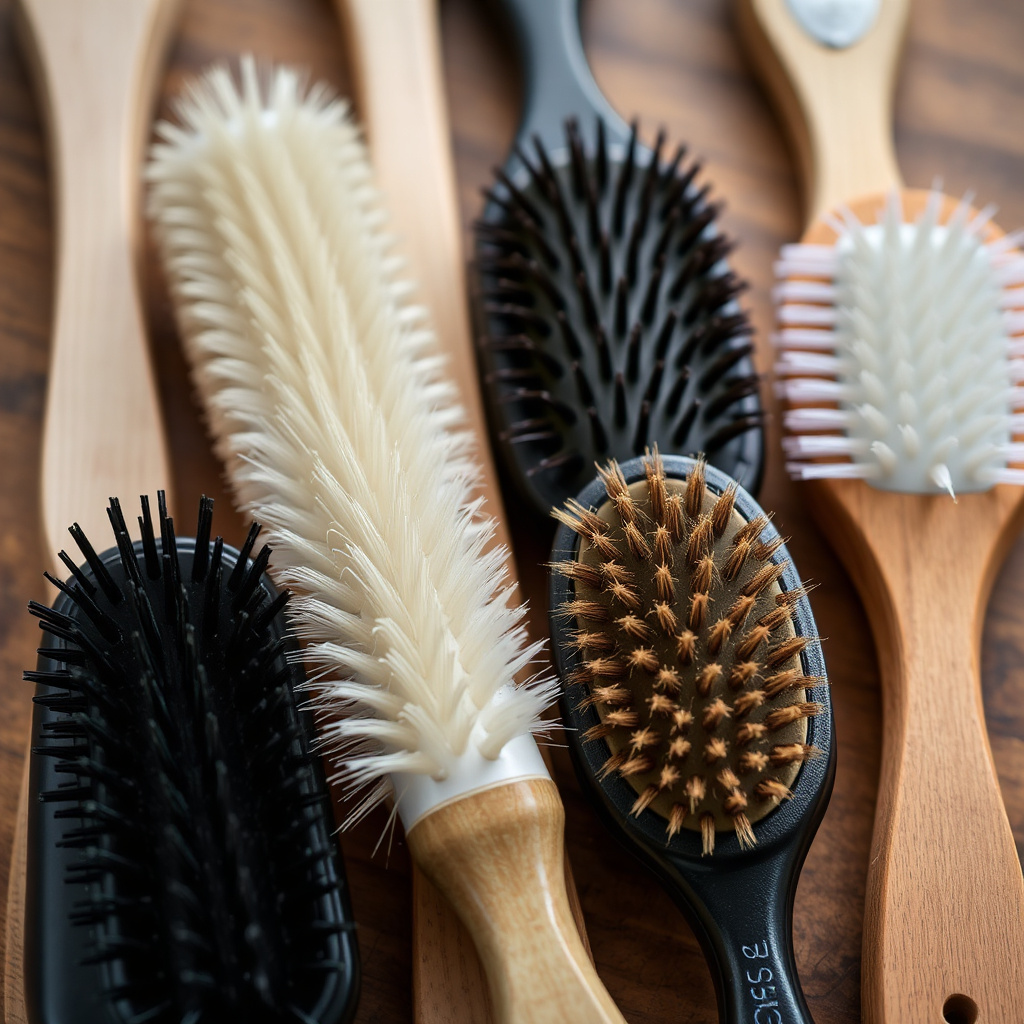
Boar Bristle Brushes
Boar bristle brushes are excellent for fine hair because their soft natural bristles distribute scalp oils from roots to tips, increasing shine and moisture balance. Their gentle texture helps prevent hair breakage and reduces static electricity.
Due to their low abrasion on delicate hair, boar bristle brushes also create a polished finish without roughening the cuticle. They are best used on dry hair to smooth and add natural gloss, making them a favorite among fine-haired users.
- Soft natural bristles
- Distributes scalp oils
- Reduces static and frizz
- Gentle detangling on dry hair
Mixed Bristle Brushes
Mixed bristle brushes combine boar and synthetic bristles, blending gentleness with some added detangling power. The synthetic bristles help glide through tangles without pulling, while boar bristles boost shine.
Their hybrid nature makes them versatile and effective for managing fine hair with moderate tangles, offering a balance between softness and functional detangling.
- Combination of natural and synthetic bristles
- Effective on mild tangles
- Adds shine and smoothness
- Suitable for everyday use
Brush Shapes and Designs for Fine Hair
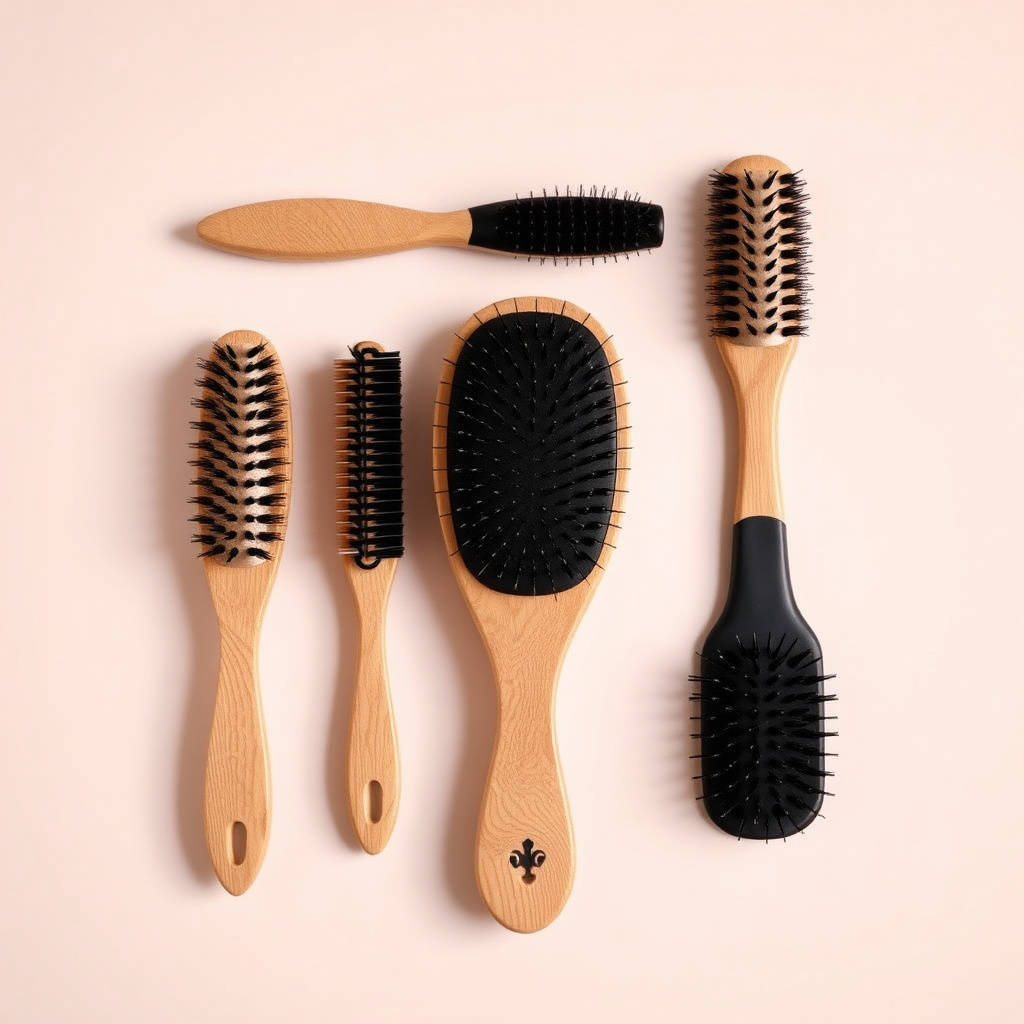
Paddle Brushes
Paddle brushes have a broad flat surface, ideal for smoothing and straightening fine hair without excessive pulling. Their wide base covers more strands at once, making detangling faster and more efficient on delicate hair.
Using a paddle brush with flexible bristles helps reduce breakage, especially when brushing from the ends upward. They are especially useful when blow-drying fine hair, minimizing heat damage by distributing heat evenly.
- Large flat surface
- Smooths and detangles gently
- Prevents snagging and breakage
- Good for blow-drying control
For more on this, see our related guide: How to Style a Tapered Cut on Natural Hair for a Polished Look.
Round Brushes
Round brushes are designed for styling fine hair by adding volume and curls. When choosing a round brush, opt for one with ceramic or ionic-coated barrels that heat evenly and reduce frizz.
Small to medium-sized round brushes with soft bristles work best for fine hair to create lift at the roots without stressing strands or causing tangling during styling.
- Ideal for volumizing and curling
- Ceramic or ionic barrels help heat distribution
- Soft bristles minimize hair damage
- Choose sizes that suit hair length
Special Brushes and Combs for Detangling
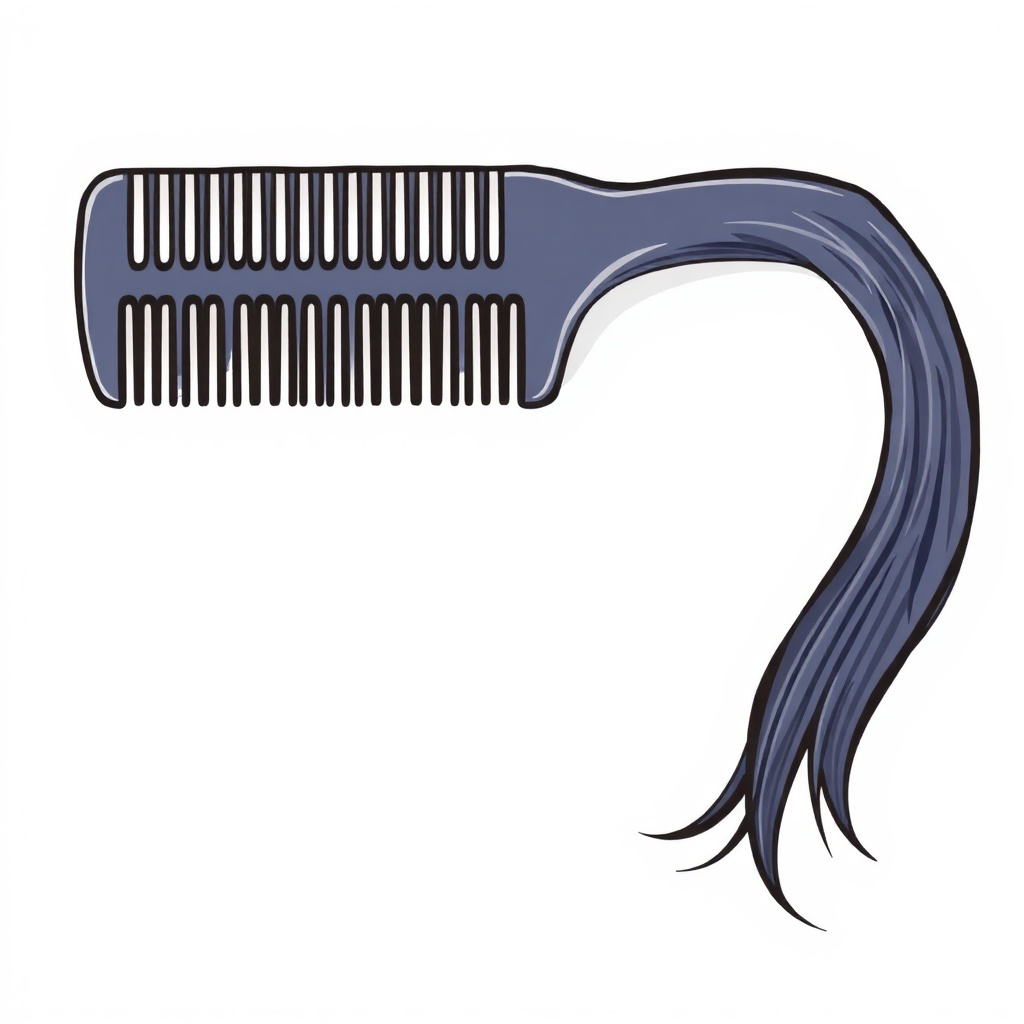
Wide-Tooth Combs
Wide-tooth combs are gentler than brushes on fine hair, especially when detangling wet strands. Their widely spaced teeth prevent excessive pulling and breakage during the delicate post-wash phase.
Using a wide-tooth comb reduces split ends by allowing knots to ease out slowly, helping maintain hair health over time. It’s best to comb wet hair carefully and start from the ends before moving upwards.
- Widely spaced teeth
- Ideal for detangling wet hair
- Prevents breakage during grooming
- Easy to carry and maintain
Flexible Detangling Brushes
Flexible detangling brushes feature bendable bristles designed to gently separate knots without snagging fine hair. Their ergonomic design prevents scalp discomfort while carefully working through tangles.
These brushes work well on both wet and dry hair, offering a practical solution for fine-haired individuals prone to tangling but who want a brush option beyond combs.
- Bendable bristles reduce tugging
- Comfortable for sensitive scalps
- Works on wet and dry hair
- Portable and easy to clean
Materials and Build Quality Matter

Natural vs Synthetic Bristles
Natural bristles like boar cater well to fine hair because they mimic the scalp’s natural oils, enhancing softness and reducing frizz. Synthetic bristles tend to be firmer, which can be helpful for detangling but might stress fine hair if too stiff.
Mixing both materials in one brush can provide the benefits of each, but pure natural bristles are preferred for daily styling focused on shine and hair health.
- Natural bristles enhance shine
- Synthetic bristles improve detangling
- Mixed bristles balance both effects
- Avoid stiff synthetic bristles on fragile hair
For more on this, see our related guide: How to Wash Curly Hair for Defined, Healthy Curls.
Handle Ergonomics and Durability
A comfortable, lightweight handle reduces wrist fatigue during brushing routines, which is useful for daily care of fine hair. Quality build materials like wood or sturdy plastic improve the longevity of a brush, making it a worthwhile investment.
Non-slip grips also provide better control, minimizing accidental hair pulling and improving brushing precision.
- Lightweight, ergonomic designs
- Durable materials extend lifespan
- Non-slip grips for better control
- Balance between weight and sturdiness
Proper Brushing Techniques to Protect Fine Hair
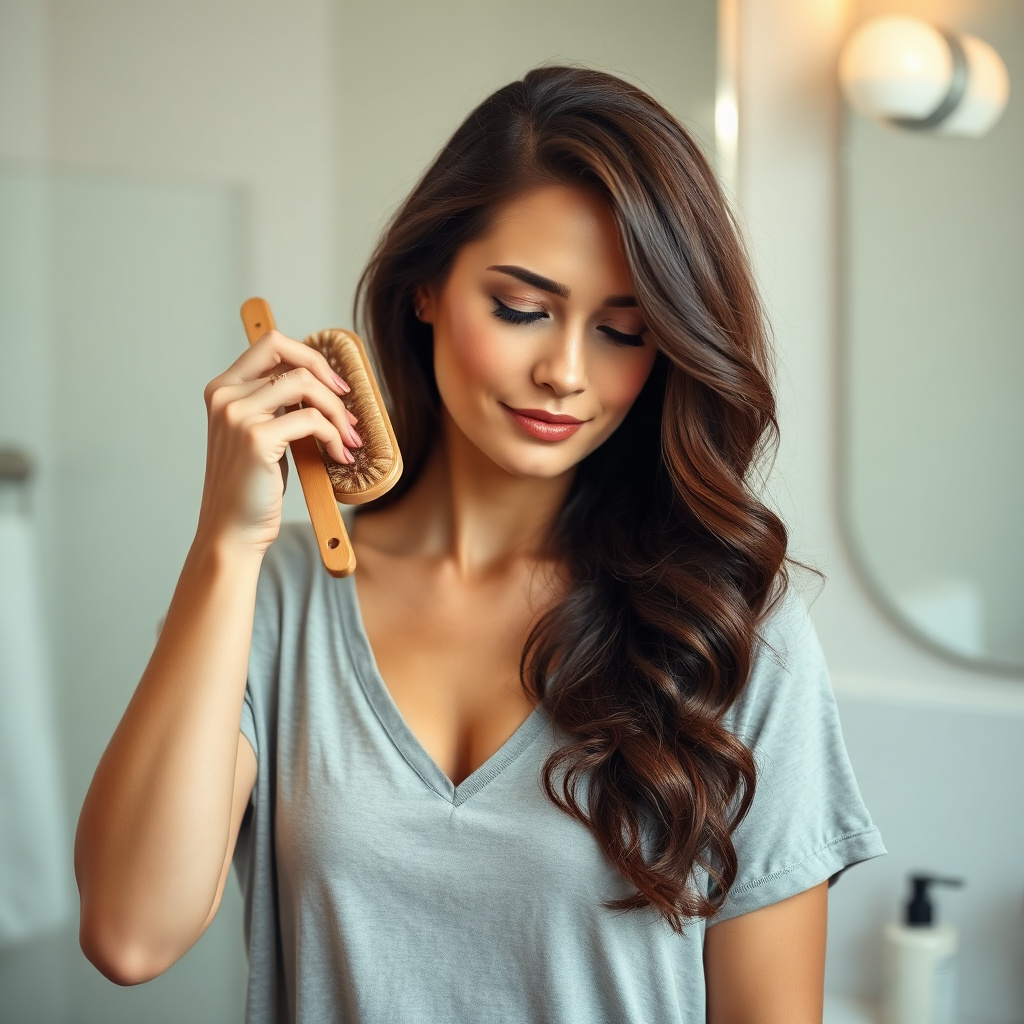
Dry vs Wet Hair Brushing
Brushing wet hair can lead to breakage if using a regular brush because wet hair is fragile. Using a wide-tooth comb or flexible detangling brush gently on damp hair reduces damage. Dry hair can be safely brushed with boar or mixed bristle brushes for smoothness.
Separate hair into sections to control brushing and start detangling from the ends up to the roots carefully to avoid pulling and snapping fine strands.
- Use wide-tooth comb on wet hair
- Start detangling from ends
- Avoid vigorous brushing when hair is wet
- Boar bristle brushes for dry hair smoothing
For a broad overview of hair care practices related to hair texture and health, the Wikipedia page on hair care offers valuable insights. care of fine hair.
Regular Brushing Frequency
Brushing fine hair too frequently or aggressively can cause breakage. Aim for one to two times a day using a suitable brush to remove tangles and evenly distribute oils without over-stimulating the scalp or stressing hair.
Consistent gentle brushing maintains scalp health and hair manageability, supporting natural volume without damage.
- Brush gently 1-2 times daily
- Choose soft bristles for fine hair
- Avoid aggressive or multiple sessions per day
- Promotes healthy scalp and hair growth
Hairbrush Types for Fine Hair Category Comparison
Here’s a detailed comparison of popular hairbrush types suitable for fine hair, highlighting performance, hair health impact, and ideal use cases.
| Brush Type | Bristle Material | Detangling Efficiency | Best Use Case | Price Range |
|---|---|---|---|---|
| Boar Bristle | Natural | Low-moderate | Smoothing and oil distribution | $15 – $40 |
| Mixed Bristle | Natural + Synthetic | Moderate | Everyday styling and mild detangling | $20 – $50 |
| Paddle Brush | Synthetic or Mixed | Moderate | Smoothing and blow-drying | $10 – $35 |
| Round Brush | Synthetic with ceramic | Moderate-high | Volumizing and curling | $15 – $45 |
| Wide-Tooth Comb | Plastic or Wood | High (wet hair) | Detangling wet hair gently | $5 – $25 |
| Flexible Detangling Brush | Synthetic Flexible | High | Detangling wet and dry hair | $10 – $30 |
Frequently Asked Questions
Can I use a regular brush on fine hair?
Regular brushes with hard or stiff bristles can cause breakage and tangling in fine hair. It is better to use soft or mixed bristle brushes designed to handle fine, delicate strands gently.
Is it better to brush fine hair wet or dry?
Fine hair is most vulnerable when wet, so use a wide-tooth comb or flexible detangling brush on wet hair. For dry hair, soft bristle brushes work well to smooth and style.
How often should I brush fine hair?
Brushing fine hair once or twice daily with a soft-bristled brush maintains scalp health and distributes natural oils without causing damage or undue stress on the strands.
Do natural bristle brushes really improve hair shine?
Yes, natural bristle brushes like boar bristles help distribute scalp oils along the hair shaft, which can significantly enhance hair's natural shine and smoothness.
Are round brushes safe for fine hair styling?
Round brushes with soft bristles and ceramic barrels are safe for fine hair if used carefully. They add volume and shape but should not be used aggressively to avoid breakage.
Key Takeaways
- Soft natural or mixed bristle brushes are best for fine hair care.
- Wide-tooth combs protect fine hair when detangling wet strands.
- Paddle and round brushes support styling needs without heavy damage.
- Gentle brushing techniques prevent breakage and maintain hair health.
Conclusion
When choosing what type of brush is best for fine hair, the primary goal is to minimize mechanical damage while supporting the hair’s delicate structure and natural oils. Brushes with soft boar or mixed bristles excel at gliding through fine strands and evenly distributing sebum, which enhances shine and prevents dryness. Equally important is selecting the right brush shape—paddle brushes provide gentle smoothing, and round brushes add volume carefully if heat styling is involved. Alongside a suitable brush, proper brushing techniques, including detangling from ends upward and using wide-tooth combs on wet hair, further protect fragile fine hair from breakage.
Different fine hair needs vary: paddle brushes with flexible bristles work well for everyday smoothing and mild detangling, while mixed bristle options combine oil distribution and gentle tangle reduction. For styling, round brushes with ceramic-coated barrels add volume and curls without harsh friction. If you deal often with wet hair tangles, a wide-tooth comb or a flexible detangler is a must-have tool to reduce pulling and split ends. These choices together create a routine tailored for maintaining healthy fine hair that looks fuller and shinier over time.
To take care of fine hair effectively, start by identifying your primary hair goals—whether it’s smoothing, volume, or detangling. Invest in a high-quality soft bristle or mixed bristle brush that suits your styling habits, and incorporate gentle detangling combs if necessary. Remember, what type of brush is best for fine hair hinges on both the brush’s material and how you use it. Practicing gentle brushing habits and choosing tools adapted to fine hair sensitivity will keep your strands strong, shiny, and manageable.


