What Type of Protective Style is Best for Hair Growth? A Detailed Guide
The best type of protective style for hair growth is one that minimizes tension, reduces breakage, and allows the scalp to breathe while keeping the ends tucked away. Styles like loose braids, twists, and buns achieve this balance by protecting fragile strands and promoting moisture retention.
Protective styling matters because hair growth depends largely on preventing damage that leads to breakage. By choosing low-tension styles that don’t stress the scalp or edges, wearers create an environment where hair can grow uninterrupted, maintaining length and health over time.
This article explores various protective styles, their benefits for hair growth, and how to select the ideal style for your hair type and lifestyle. We'll cover essential care tips, style comparisons, and expert advice on maintaining protective styles to maximize hair growth.
Understanding Protective Styles and Their Role in Hair Growth

What Are Protective Styles?
Protective styles are hairdos that shield the ends of the hair from environmental damage, manipulation, and breakage. They typically involve tucking the hair away or braiding it to prevent friction and moisture loss.
These styles keep natural hair safer by reducing daily wear and tear caused by combing, brushing, and exposure to harsh elements. The main goal is to support hair retention and foster growth by preserving delicate ends.
How Protective Styles Promote Hair Growth
Protective styles help hair growth by minimizing breakage at the ends and reducing scalp irritation. When hair is consistently protected, it can grow to its full potential without frequent trimming due to damage.
By maintaining moisture and shielding hair from excessive styling or heat, these styles create optimal conditions for healthy follicles and long-term hair health.
Best Protective Hairstyles for Hair Growth

Box Braids and Their Benefits
Box braids are a popular protective style where hair is sectioned and braided into individual plaits. They protect hair effectively by keeping the strands locked away and limiting manipulation.
This style reduces scalp exposure to harsh conditions and retains moisture well. However, it's important to keep braids loose enough to avoid tension that can lead to breakage or traction alopecia.
- Low-maintenance for several weeks
- Versatile styling options
- Should not be installed too tightly
Twists and Flat Twists for Gentle Protection
Twists are gentler than braids and easier to install, making them a good choice for those seeking low-tension protective styles. They help in locking in moisture and protect the hair shaft.
Flat twists lie close to the scalp, offering an elegant style while reducing tension and promoting scalp access for cleaning and moisturizing.
- Less tension than braids
- Can be styled in various ways
- Promote scalp health
Maintenance Tips to Maximize Hair Growth with Protective Styles
Moisturizing and Scalp Care
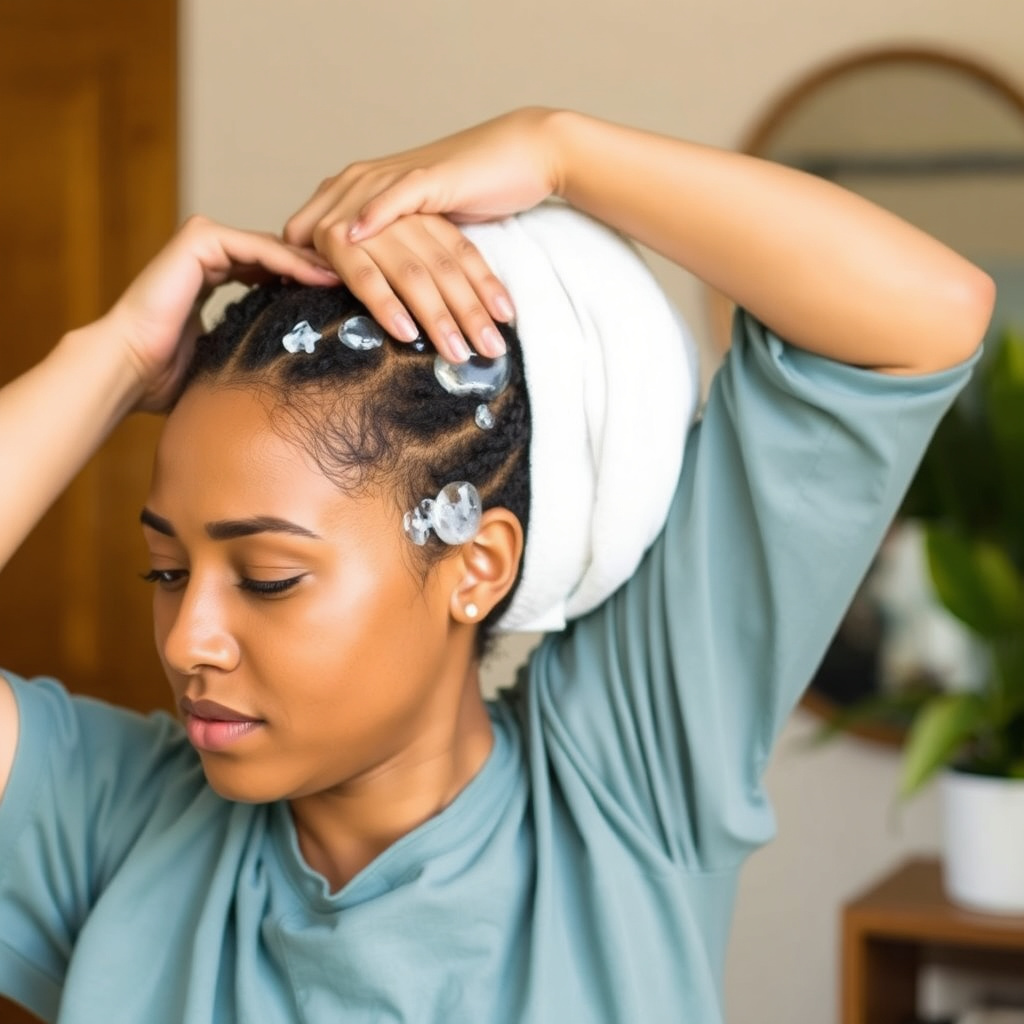
Regular moisturizing is key while wearing protective styles since hair can become dry under braids or twists. Using light oils and hydrating sprays helps keep strands supple and prevents breakage.
Scalp care also involves cleaning to avoid build-up and irritation. Gentle cleansing routines and scalp massages stimulate circulation to encourage hair follicle health.
- Use water-based moisturizers
- Apply light oils like jojoba or castor oil
- Cleanse scalp biweekly
For more on this, see our related guide: How to Retain Length in Natural Hair: Effective Strategies & Tips.
Avoiding Common Protective Style Pitfalls
Styles that are too tight or left in for too long can cause damage counterproductive to hair growth. It's important to avoid excessive tension or neglecting the scalp while wearing protective styles.
Regular breaks between protective styles prevent stress on hair follicles and allow the scalp to breathe, maintaining overall hair health.
- Do not keep styles for more than 6–8 weeks
- Avoid tight installations
- Take breaks between styles
Choosing Protective Styles Based on Hair Type and Texture

Protective Styles for Fine or Fragile Hair
Fine hair needs low-tension protective styles that avoid heavy extensions or tight braiding. Options like loose twists or soft buns provide protection without stressing delicate strands.
Lightweight styles reduce the risk of breakage and traction damage especially around the edges and crown area.
- Loose twists
- Soft buns
- Minimal use of added hair
Protective Styles for Thick or Coarse Hair
Thicker, coarser hair can handle more complex and long-lasting styles like box braids, cornrows, or larger twists. These styles offer strong protection and moisture retention tailored to the hair’s density.
Since coarse hair tends to be drier, styles that facilitate regular scalp access and moisturizing are ideal.
- Box braids
- Cornrows
- Flat twists
Styling and Sleeping Techniques for Protecting Hair Growth
Nighttime Care with Protective Styles
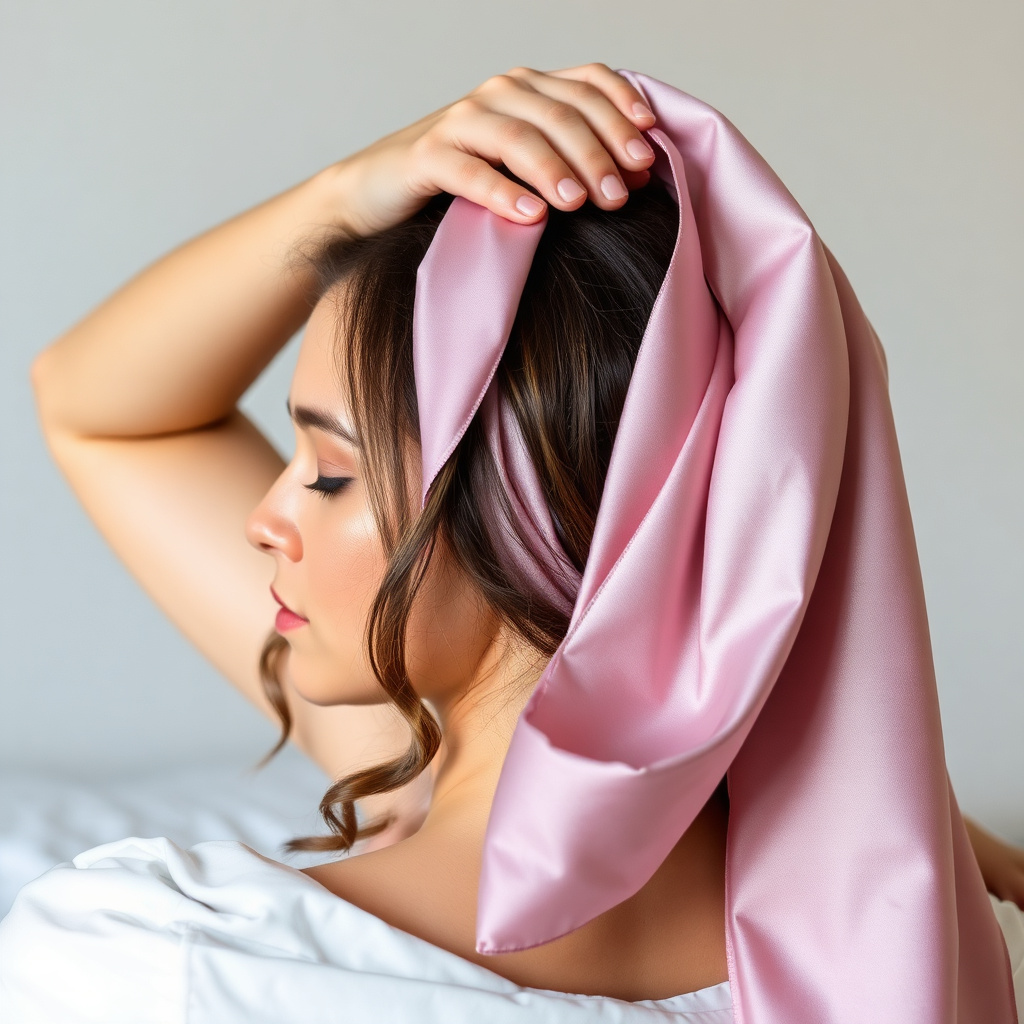
Using satin or silk scarves and pillowcases reduces friction while sleeping, preventing breakage and maintaining style integrity. Loose wrapping avoids flattening and tension on the scalp.
Keeping protective styles intact overnight supports longer-lasting wear and less manipulation during the day.
- Use silk or satin scarves
- Sleep on satin pillowcases
- Avoid tight wraps
For more on this, see our related guide: How to Style a TWA: Expert Tips for a Flawless Textured Wave Afro.
Gentle Styling Practices During the Day
Avoid styles that pull tightly or involve excessive manipulation such as daily re-braiding or pulling hair back forcefully. Gentle handling protects the hair shaft and edges.
Lightweight accessories and loose ponytails help prevent unnecessary stress on hair and scalp.
- Use soft hair ties
- Avoid metal clips
- Minimize frequent restyling
Common Protective Style Myths and Facts

Myth: Protective Styles Guarantee Instant Hair Growth
Protective styles do not directly cause hair to grow faster, but they help retain length by preventing damage and breakage. Growth is a natural process influenced by health, diet, and genetics.
Focusing on scalp health and minimizing hair stress while in protective styles promotes healthier, longer hair over time.
For more on the history and types of protective hairstyles, see protective hairstyle information on Wikipedia. protective hairstyle information on Wikipedia.
Fact: Tight Styles Can Hinder Hair Growth
Tightly braided styles or heavy extensions can cause traction alopecia, which damages hair follicles and slows growth. Proper installation and choosing low-tension styles are essential to prevent this.
Regular breaks and scalp care help maintain healthy growth even when wearing protective styles.
Comparison of Protective Style Categories for Hair Growth
Here’s a detailed comparison of various protective style categories based on installation time, maintenance, tension level, and suitability for hair types.
| Type | Installation Time | Maintenance Level | Tension on Scalp | Best For Hair Type |
|---|---|---|---|---|
| Box Braids | 3-6 hours | Low | Medium | Thick, coarse hair |
| Twists | 1-3 hours | Low | Low | Fine to medium hair |
| Cornrows | 2-4 hours | Medium | Medium-High | Thick hair |
| Buns and Updos | 10-30 minutes | High | Low | All hair types |
| Flat Twists | 1-2 hours | Medium | Low | Coarse to medium hair |
Frequently Asked Questions
Can protective styles cause hair loss?
If installed too tightly or worn excessively without breaks, protective styles can cause traction alopecia, leading to hair loss. Choosing loose styles and giving your hair rest periods prevents this.
How long should I keep a protective style in?
Protective styles are generally recommended to be kept for 4 to 8 weeks to avoid scalp irritation and hair damage. Prolonging beyond this without maintenance can increase breakage risks.
Do I need to moisturize my hair while in protective styles?
Yes, moisturizing is essential to prevent dryness and breakage. Use water-based moisturizers and light oils regularly to maintain hair elasticity and hydration under the style.
What is the best protective style for beginners?
Beginners often find twists or loose buns easier to manage since they require less installation time and exert minimal tension on the scalp.
Are protective styles suitable for all hair types?
Yes, but the choice of protective style should be based on your hair texture, density, and personal comfort to prevent damage and maximize benefits.
Key Takeaways
- Choose low-tension protective styles like twists and loose braids for hair growth.
- Maintain moisture and scalp hygiene to support healthy follicles.
- Avoid tight installations and limit style duration to prevent damage.
- Select protective styles suited to your hair type and texture.
Conclusion
Selecting the best type of protective style for hair growth involves balancing protection with comfort and scalp health. Protective styles that avoid excessive tension, allow moisture retention, and minimize manipulation provide an environment where hair can flourish. Evaluating your hair’s texture, strength, and lifestyle needs is critical in making a choice that supports ongoing growth and reduces damage risks.
For thick, coarse hair, styles such as box braids, cornrows, and flat twists offer durability and strong protection, aiding moisture retention and length preservation. Those with fine or fragile hair benefit from gentler options like loose twists or soft buns that minimize stress on the hair shaft and edges. Regular moisturizing, scalp cleaning, and careful nighttime hair care enhance the benefits of any protective style.
If you’re new to protective styling, starting with simple and low-maintenance styles like twists or buns is ideal. Keep your styles loose, take breaks between installations, and maintain a consistent hair care routine focused on hydration and scalp health. Doing so will maximize growth potential and keep your hair healthy and vibrant in the long term.