How to Style Hair with a Scarf: Creative and Easy Hair Scarf Ideas
Styling hair with a scarf is a quick and stylish way to add flair and personality to your look. Whether your hair is long, short, curly, or straight, a scarf can transform your hairstyle instantly by wrapping, tying, or weaving it through your hair. This technique works both as a functional accessory to keep hair in place and a fashionable statement piece.
Using a scarf as a hair accessory matters because it offers endless versatility without needing complicated tools or skills. You can create casual daytime looks, elegant evening styles, or even retro-inspired designs using various tying techniques and scarf shapes. Plus, scarves protect your hair from sun damage and can cover windy or bad hair days effortlessly.
This article will explore different ways to style hair with a scarf, covering methods for tying scarves around ponytails, buns, braids, and loose hair. You'll also find tips on choosing the right scarf fabric and size for your hair type along with examples for different occasions. By the end, you’ll have plenty of ideas to refresh your hairstyle using scarves.
Choosing the Right Scarf for Hair Styling
Fabric Types and Their Impact on Hair
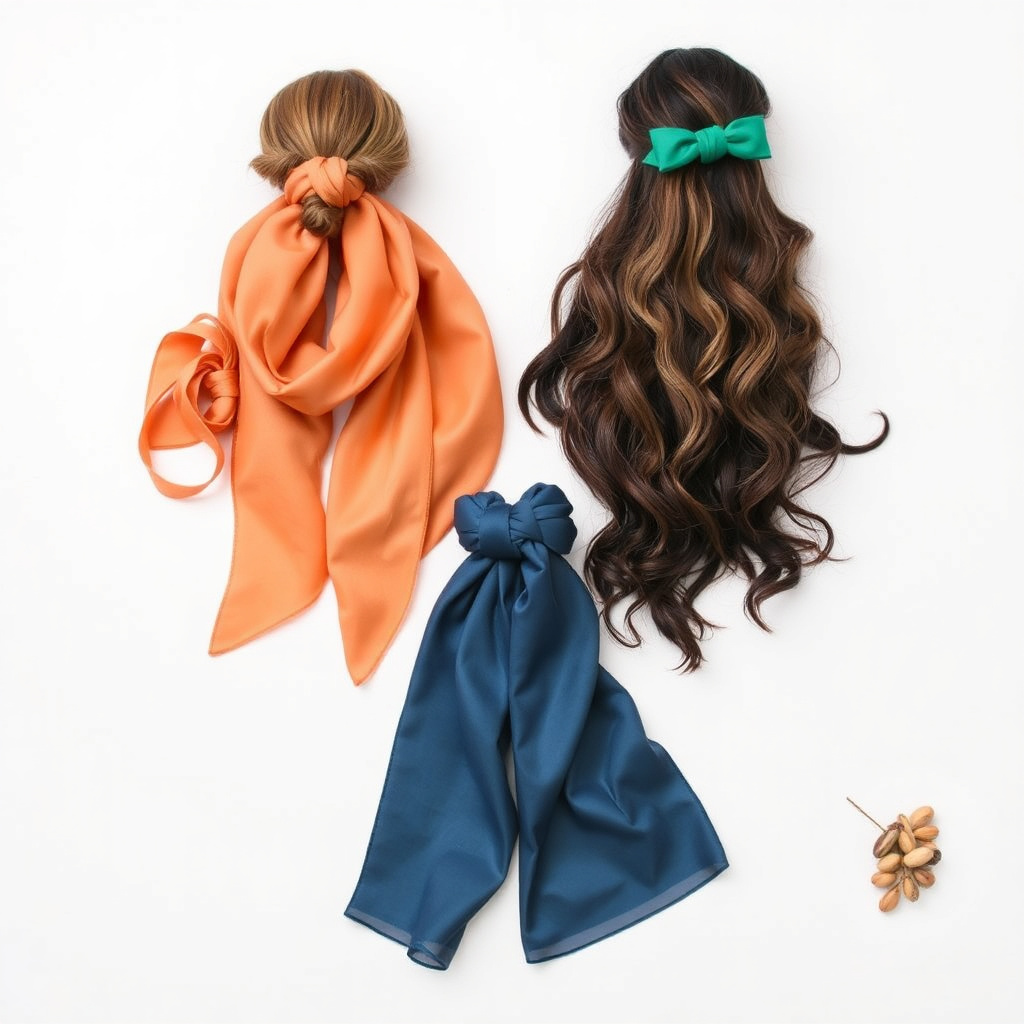
Different scarves affect how your hair looks and feels. Silk scarves offer a smooth texture that prevents hair breakage and add a shiny finish, making them ideal for sleek styles. Cotton scarves provide grip and are great for casual, everyday looks, while chiffon or polyester scarves are lightweight and versatile for layered or braided scarves.
It's important to consider the fabric's friction against your hair to avoid tangling or damage. Smooth fabrics like silk and satin are best for fine or brittle hair, while sturdier materials work well with thicker or textured hair.
- Silk: smooth, shiny, gentle on hair
- Cotton: breathable, good grip
- Chiffon: lightweight, flowy
- Polyester: durable, versatile
Size and Shape Considerations
Scarves come in various sizes—from small squares to long rectangles—and each shape suits different hairstyles. Square scarves, typically around 20 to 27 inches, are perfect for wrapping around buns or tying as headbands, while longer scarves can be braided into hair or wrapped multiple times for dramatic effects.
Narrow scarves or skinny bandanas work well for delicate styles or as subtle accents, while larger scarves can cover the entire head or be styled into turban shapes. Think about the volume and length of your hair when choosing scarf dimensions.
- Small squares: buns, headbands
- Long rectangles: braids, wraps
- Skinny scarves: subtle accents
- Large scarves: full-head coverage
Classic Hair Scarf Styling Techniques

Wrapping a Scarf Around a Ponytail
Adding a scarf to a ponytail is one of the simplest ways to elevate your hairstyle. After securing your hair with a hair tie, wrap a long rectangular scarf around the ponytail base and tie it into a bow or knot for a playful yet polished look. This technique works well with both high and low ponytails.
To keep the scarf in place, make sure to knot it tightly enough but not so tight that it pulls on your hair. You can let the scarf tails hang loose or tuck them under for a neater finish.
Tying a Scarf as a Headband
A scarf tied as a headband is a versatile, chic option for controlling flyaways and adding color near your face. Fold your scarf into a thin band, place it at your hairline, and tie the ends under your hair or at the top for a retro vibe.
This method works with any hair length and suits casual or formal styles. For a boho look, leave your hair loose with waves, and for sleek styles, smooth your hair back before tying the scarf.
Incorporating Scarves with Braided Hairstyles
Weaving a Scarf Through a Braid
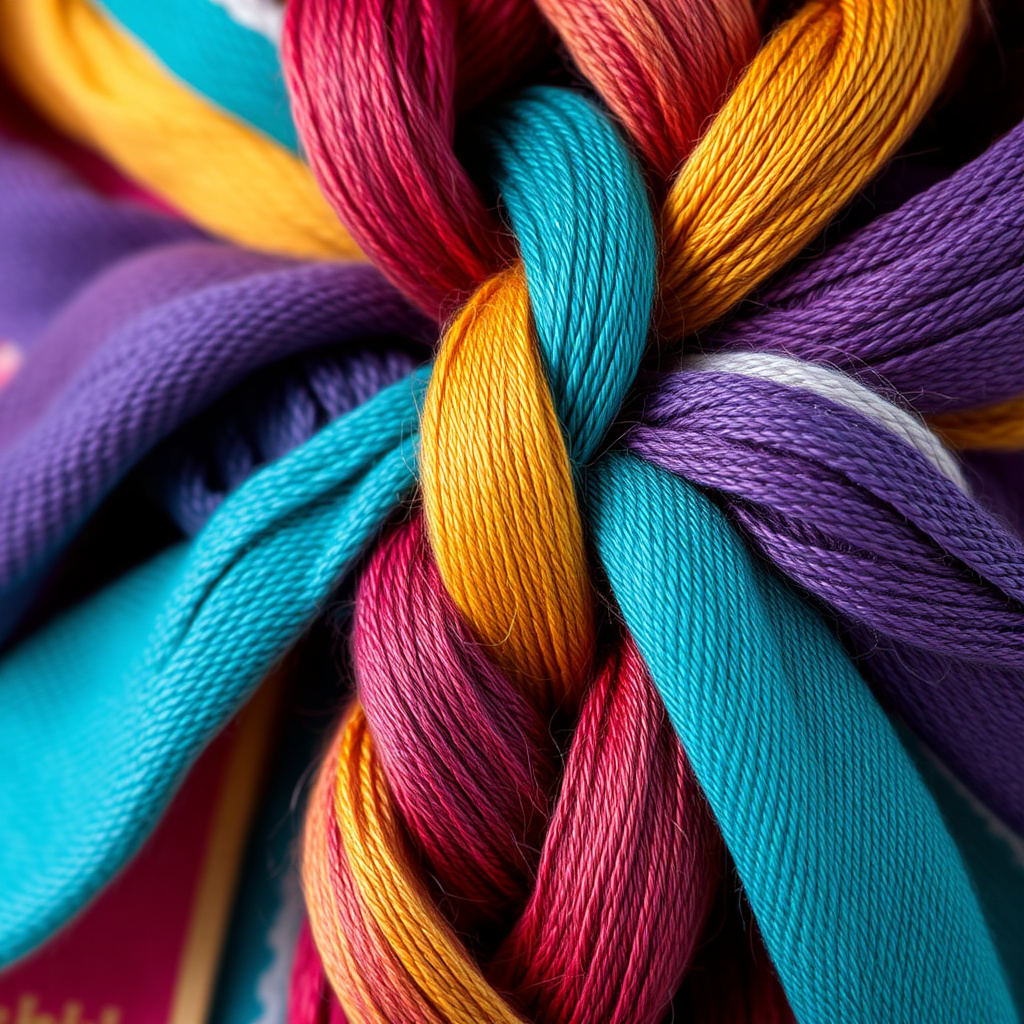
Integrating a scarf into your braid adds a pop of color and texture that makes the style stand out. Start by folding a long scarf into a narrow band and secure it with your hair near the roots. Braid the scarf along with your hair in a three-strand or fishtail style.
This technique is especially flattering on medium to long hair, giving the braid a fuller appearance while keeping the scarf firmly in place. It’s perfect for festivals, casual outings, or just freshening up a braiding routine.
For more on this, see our related guide: How to Do a Wash Day Without Tangles: Practical Tips for Smooth Hair Care.
Wrapping a Scarf Around a Braided Bun
Once your hair is braided and twisted into a bun, wrapping a scarf around the base can give it a fashionable lift. Choose a scarf that contrasts with your hair color for maximum effect, then wrap it around the bun multiple times and tie a knot or bow to secure.
This approach adds elegance and can transform a simple braided updo into a statement hairstyle, suitable for both daytime and evening events.
Using Scarves with Updos and Buns

Twisting Scarves Into a Low Bun
For a soft, romantic look, twist your hair into a low bun and incorporate a scarf by wrapping it around the bun’s circumference. Secure the ends with pins or a neat knot, allowing some scarf tails to flow freely or be tucked in.
This styling technique adds texture and color, making it ideal for formal occasions or days when you want your hairstyle to feel intentional without much effort.
Creating a Turban-Style Updo
A turban hairstyle uses a wide scarf wrapped and twisted around the head, creating a bold look that covers most or all of the hair. This style works great for protecting hair, managing bad hair days, or making a fashion statement, especially with patterned or brightly colored scarves.
The turban wrap requires some practice to get right but is adaptable for many hair lengths and textures, offering both style and coverage in one.
Practical Tips for Styling Hair with a Scarf

Securing Scarves for All-Day Wear
To keep a scarf securely in place through a full day, you can use hairpins or small clips underneath the scarf to anchor it to your hair. Using scarves with a bit of texture or slight elasticity can also improve grip, minimizing slips.
Additionally, adjusting the tightness of your knots and choosing the right scarf size will prevent discomfort or loose loops that may fall out during activities.
For more on this, see our related guide: How to Retain Length in Natural Hair: Effective Strategies & Tips.
Maintaining Hair Health While Using Scarves
Since scarves come into direct contact with your hair, it’s important to pick fabrics that won’t cause friction or tugging, avoiding breakage. Also, washing scarves regularly keeps them clean and free from oils or dirt that may transfer to your hair.
You can alternate scarf styles and positions to reduce stress on one section of hair. Using silk scarves at night also helps protect hair strands and preserve styles.
- Choose silk or satin for delicate hair
- Wash scarves regularly
- Avoid overly tight knots to prevent tension
- Switch scarf placement to avoid hair stress
Styling Hair with a Scarf for Different Occasions

Casual Everyday Hair Scarf Styles
For daily wear, scarves styled as headbands, ponytail wraps, or loose knots enhance simple hairstyles and add color to everyday outfits. Lightweight cotton or linen scarves suit warm weather, providing breathability and comfort.
These styles require minimal effort but make a noticeable difference in your appearance, perfect for errands, casual lunches, or outdoor activities.
For further understanding, the history of scarves in fashion reveals their longstanding role as both functional and decorative hair accessories. History of scarves in fashion.
Elegant Scarf Hairstyles for Formal Events
At formal events, scarves made of luxurious fabrics like silk or velvet can be intertwined with braided updos or twisted chic buns. Choosing scarves with subtle patterns or solid bold colors avoids overpowering your look while contributing sophistication.
Accessories like jeweled pins can complement scarf styles, making them suitable for weddings, dinners, or performances where your appearance matters.
Hair Scarf Types Comparison for Styling
The following table compares different hair scarf types by fabric, ideal styles, maintenance, and price to help you choose the right one for your hair scarf styling ideas.
| Scarf Type | Fabric | Ideal Hairstyle | Maintenance | Price Range |
|---|---|---|---|---|
| Silk Scarf | Silk | Braids, sleek buns, headbands | Hand wash, delicate care | $15 – $50 |
| Cotton Scarf | Cotton | Casual wraps, ponytails | Machine washable | $5 – $20 |
| Chiffon Scarf | Chiffon | Loose styles, flowing wraps | Hand wash, gentle | $10 – $30 |
| Polyester Scarf | Polyester | Turban wraps, braids | Machine washable | $8 – $25 |
| Velvet Scarf | Velvet | Formal updos, elegant ties | Dry clean recommended | $20 – $60 |
Frequently Asked Questions
Can I use any scarf to style my hair?
While most scarves can be used, those made from smooth fabrics like silk and satin are gentler on hair and reduce damage. Choosing the right fabric based on your hair texture is best for healthy styling.
How can I prevent a scarf from slipping out of my hair?
Using small hairpins or clips beneath the scarf can secure it better. Also, scarves with a bit of texture or elasticity hold more firmly, especially on fine or silky hair.
Are scarves suitable for protecting hair overnight?
Yes, wearing silk scarves overnight helps reduce friction between hair and pillowcases, minimizing breakage and preserving hairstyles like curls or braids.
Can scarves be used with short hair?
Absolutely. Scarves can be styled as headbands, tied at the nape, or wrapped around small buns and ponytails, making them versatile for nearly all hair lengths.
How do I choose the right scarf size for styling?
Smaller square scarves (around 20 inches) are great for headbands and small buns, while longer rectangular scarves work well for braids or full head wraps. Consider your hair length and the desired look.
Key Takeaways
- Silk and satin scarves protect hair while adding shine
- Different scarf shapes suit specific hairstyles like braids or buns
- Secure scarves with pins to prevent slipping during wear
- Hair scarf styling ideas range from casual to formal looks
Conclusion
Choosing how to style hair with a scarf involves balancing your hair type, the occasion, and the scarf’s fabric and size. Identifying what look you want—be it a casual ponytail wrap or an elegant braided bun with scarf accents—guides your choice of scarf material and tying technique. Keeping comfort and hair health in mind will help the style last and keep your hair damage-free. By experimenting with various knots, weaves, and positions, scarves become a creative tool to refresh your hairstyle with minimal effort.
For everyday hairstyles, cotton scarves or small silk squares work well for ponytails and headbands, adding a pop of color and managing flyaways without fuss. For more polished, formal events, silk or velvet scarves styled around braided buns or turban wraps bring sophistication and style. Braided hairstyles incorporate scarves seamlessly, creating a striking contrast and texture that immediately elevates your look. This range shows how hair scarf styling ideas can fit diverse needs and enhance any outfit.
Getting started is easy: pick a scarf that appeals to your style and fabric preference, then try simple wraps and knots around ponytails or headbands. Practice weaving scarves through braids as you gain confidence; soon you’ll create signature looks uniquely yours. Embracing scarves as hair accessories adds variety and elegance to your routine without requiring extensive effort or tools.