What Type of Twist is Best for Natural Hair: Expert Guide to Choosing Your Style
The best type of twist for natural hair depends on your hair texture, length, and maintenance preferences, but many find two-strand twists the most versatile and manageable. This style works well for both beginners and experienced hairstylists because it protects the hair, promotes growth, and looks great for various occasions. Two-strand twists provide definition without requiring heat or heavy products, making them a gentle choice for healthy natural hair care.
Choosing the right twist style matters because natural hair can be prone to dryness and breakage if not styled properly. Protective styles like twists shield the ends of your hair from damage, retain moisture, and reduce manipulation. Different twist types offer varying benefits—some are easier to do while others provide longer-lasting wear or more volume. Understanding which twist complements your natural hair will help you maintain your hair’s health and achieve your desired look.
This article explores popular types of twists for natural hair, including two-strand twists, Senegalese twists, and Marley twists. We’ll cover styling tips, maintenance routines, and how each twist type suits different hair needs. By the end, you’ll know which twist style best aligns with your goals and hair characteristics.
Understanding Two-Strand Twists for Natural Hair

Benefits of Two-Strand Twists
Two-strand twists are ideal for natural hair because they offer excellent protection while being simple to create. This style helps to lock in moisture, reduce tangling, and minimize breakage by keeping hair strands neatly twisted together. Additionally, two-strand twists can double as a wash-and-go style or a foundation for other hairstyles.
This twist style works well on all natural hair textures and lengths, making it accessible for those new to natural hair care. Since it requires minimal products and no heat, two-strand twists help maintain the hair’s natural oils and prevent damage caused by harsh styling methods.
- Promotes hair growth by minimizing manipulation
- Retains moisture effectively
- Can be styled in various ways (updos, buns, etc.)
- Low maintenance with proper care
Maintenance Tips for Two-Strand Twists
To keep two-strand twists looking fresh and healthy, regularly moisturize your scalp and twists with light oils or water-based leave-in conditioners. Avoid heavy products that cause buildup, which can weigh down twists and lead to scalp issues.
Sleeping with a satin or silk scarf or bonnet protects twists from friction and frizz. Additionally, avoid excessive manipulation by limiting frequent restyling, as this can cause strand separation and frizz, reducing the style’s longevity.
- Moisturize twists every 2-3 days
- Protect hair at night with satin accessories
- Avoid overwashing; cleanse scalp gently
- Retwist edges to maintain neatness
Exploring Senegalese Twists for Natural Hair

What Are Senegalese Twists?
Senegalese twists are a rope-like twist style created by twisting synthetic or natural hair extensions into the natural hair. They offer a sleek, elongated look with a shiny finish and can last several weeks with proper care. This style is popular for its versatility, allowing for various partings, sizes, and lengths.
Because they use extensions, Senegalese twists can add length and volume without applying heat or tension to your natural hair. They are a preferred choice for those seeking a low manipulation protective style with a polished aesthetic.
Care and Considerations for Senegalese Twists
While Senegalese twists protect natural hair well, it is essential to avoid too much tension during installation, which can cause traction alopecia or scalp discomfort. Keeping the scalp clean and moisturized is key to preventing itchiness and buildup under the twists.
Using a mild shampoo diluted for gentle cleansing and applying lightweight oils to the scalp helps maintain a healthy environment. These twists may be heavier than two-strand twists due to extensions, so choosing an appropriate size and length helps avoid excessive weight.
- Avoid tight installations to protect edges
- Cleanse scalp every 1-2 weeks carefully
- Use light moisturizing sprays on twists
- Remove twists after 6-8 weeks to prevent damage
Marley Twists: Natural Texture with Added Volume

Characteristics of Marley Twists
Marley twists use textured Marley hair extensions to create thick, chunky twists that mimic natural Afro hair texture. This style is loved for its fullness and ability to blend seamlessly with coarse, kinky natural hair, providing a bold and voluminous look.
Because Marley twists are chunkier than other twist types, they are easier to install and remove but may place more strain on the scalp if worn too long or too tightly. They offer a tactile, statement-making aesthetic that works well for those wanting to embrace their natural hair’s volume while enjoying a manageable protective style.
For more on this, see our related guide: How to Tie a Satin Scarf for Sleeping to Protect Your Hair.
Maintaining Marley Twists for Hair Health
Maintaining Marley twists involves keeping the scalp clean to prevent irritation and moisturizing both your natural hair and the extensions to keep them supple. Avoid heavy conditioners that can cause buildup and weigh down the twists.
Protecting Marley twists at night with satin-lined caps prevents frizz and helps the style last longer. Because of their thickness, Marley twists dry slower after washing, so space out washes and allow complete drying to avoid mildew or scalp odor.
- Use diluted shampoo for scalp cleansing
- Moisturize twists without heavy products
- Protect hair with satin accessories at night
- Limit wash frequency to preserve style
Choosing the Right Twist Size and Length

Impact of Twist Size on Maintenance and Style
Thin twists offer a delicate, intricate look but require more time to install and maintain. They can be more prone to unraveling and demand careful upkeep to avoid frizz and breakage. Thin twists are great for those who want a refined, defined style.
Thicker twists, like Marley twists, require less installation time and provide more volume, but they might weigh down the hair if too heavy. Choosing the right size balances aesthetic preferences with hair health to avoid stress on roots.
- Thin twists: longer install time, greater detail
- Thick twists: quicker install, fuller appearance
- Consider hair density and scalp sensitivity
How Twist Length Affects Hair Health
Longer twists can create striking styles but add weight that might tug on the scalp, especially if the hair is fragile or the twists are thick. Shorter twists reduce tension and are easier to manage daily, particularly for fine or low-density hair.
The right length depends on your hair’s strength and your lifestyle. For protection and comfort, many choose mid-length twists that minimize strain while still allowing styling flexibility.
- Long twists: eye-catching but may strain scalp
- Short twists: gentle on hair, easier maintenance
- Match length to hair texture and strength
Styling and Versatility of Different Twist Types
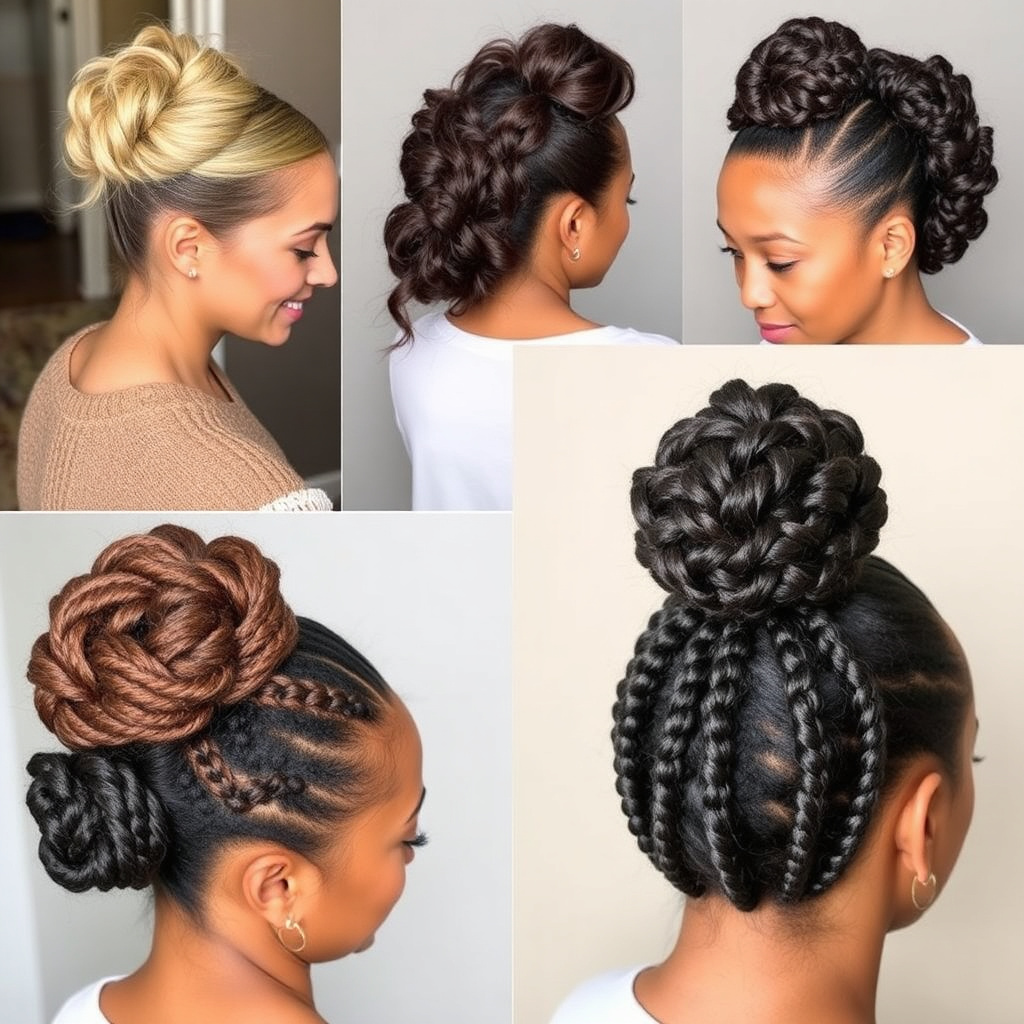
How Different Twists Adapt to Styling Needs
Two-strand twists are highly versatile, allowing styles from simple wear-down looks to creative updos. Their flexibility appeals to those who want frequent restyling without compromising hair health.
Senegalese and Marley twists, while excellent protective styles, can be styled into elegant buns, ponytails, or loose flowing looks. However, because these involve extensions, their bulk limits some intricate styling options.
For more on this, see our related guide: How to Moisturize 4C Hair: Essential Tips for Hydrating Natural Curls.
Matching Twist Types to Occasions and Preferences
For casual or everyday wear, two-strand twists offer ease and comfort with minimal upkeep. For special occasions or a polished finish, Senegalese twists provide a sleek and uniform appearance.
Marley twists suit those who prefer a bold statement and natural volume, great for social events or making a style statement. Choosing your twist type based on occasion makes it easier to manage expectations of style longevity and maintenance.
- Everyday wear: two-strand twists for comfort
- Formal events: Senegalese twists for sleek look
- Bold style: Marley twists for volume and texture
Common Mistakes to Avoid When Wearing Twists
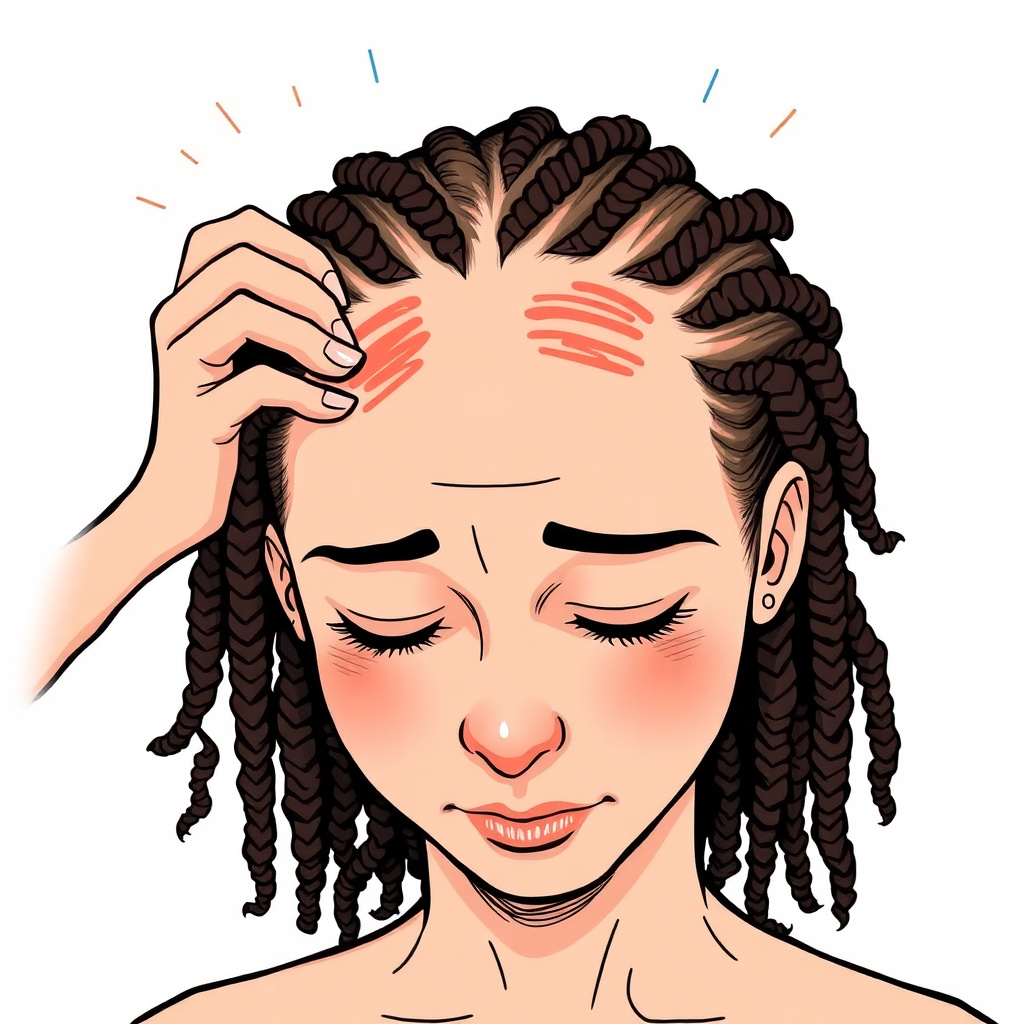
Avoiding Damage Through Proper Installation
One common mistake is installing twists too tightly, which can cause tension headaches, follicle damage, or traction alopecia. Taking care to achieve a firm but comfortable hold preserves scalp health and hairline integrity.
Overloading the twists with heavy products is another issue, as it can lead to buildup and weaken hair strands. Using lightweight moisturizers and installing twists at a moderate tightness prevents premature hair loss.
For an in-depth overview of natural hair care and styling, refer to this detailed natural hair care resource. natural hair care.
Maintaining Scalp Health During Twists
Neglecting scalp hygiene when wearing twists can lead to itching, dandruff, or infections. Regular gentle cleansing and moisturizing the scalp help maintain a healthy foundation for hair growth.
Also, leaving twists in for too long risks matting and breakage. Ensuring timely removal and giving hair rest periods maintains overall scalp and strand health.
- Cleanse scalp using diluted shampoos
- Avoid scratching to prevent irritation
- Remove twists after recommended time frame
- Hydrate scalp regularly
Comparison of Popular Twist Types for Natural Hair
Below is a comparison table highlighting key features, maintenance levels, and best uses for common twist styles on natural hair.
| Twist Type | Maintenance Level | Best Hair Type | Longevity | Styling Versatility |
|---|---|---|---|---|
| Two-Strand Twists | Low | All textures and lengths | 2-4 weeks | High |
| Senegalese Twists | Medium | Medium to thick hair | 4-8 weeks | Medium |
| Marley Twists | Medium | Coarse, kinky hair | 4-6 weeks | Medium |
| Havana Twists | Low to Medium | Thick, coarse hair | 4-7 weeks | Medium |
| Rope Twists | Low | All hair types | 2-3 weeks | High |
Frequently Asked Questions
Can I do two-strand twists on fine natural hair?
Yes, two-strand twists work well on fine natural hair by protecting strands and adding definition. Using lighter products and gentle twisting helps prevent breakage and maintains hair health during wear.
How often should I moisturize my twisted hair?
Moisturize your twists every 2 to 3 days to keep hair hydrated without causing buildup. Use water-based sprays or light oils to maintain moisture and prevent dryness.
Are Senegalese twists suitable for all hair lengths?
Senegalese twists typically work best on medium to long natural hair because the extensions blend more naturally and provide balanced tension during installation.
How can I prevent scalp itching with Marley twists?
Maintain scalp hygiene by cleansing gently every 1-2 weeks and moisturizing regularly. Avoid heavy products and protect your scalp with satin bonnets at night to reduce itchiness.
Is it safe to leave twists in for more than eight weeks?
Leaving twists in longer than 6-8 weeks can cause matting, thinning, and breakage. It's best to remove twists within this timeframe to protect hair health and allow for rest.
Key Takeaways
- Two-strand twists are versatile, low-maintenance, and suitable for all natural hair types.
- Senegalese twists add length and sleekness but require careful tension management.
- Marley twists offer volume and texture, ideal for coarse, kinky hair.
- Proper scalp care and timely removal are essential to prevent damage with all twist types.
Conclusion
Choosing what type of twist is best for natural hair primarily depends on your hair texture, length, and how much daily maintenance you are willing to commit to. Two-strand twists provide a gentle, adaptable style suited for all hair types and offer excellent protection with low upkeep. If you want to add length or volume, Senegalese and Marley twists introduce extensions that maintain hair health when applied with care. The key to a successful twist style lies in balancing protective benefits with comfort and scalp health. Consider your lifestyle, styling preferences, and hair goals when deciding which twist style to adopt.
For individuals seeking an easy, quick protective style that can be retouched regularly, two-strand twists stand out as the best option. Those who prefer a polished and longer-lasting style can explore Senegalese twists, especially if their hair is medium to thick. Marley twists appeal to those looking for texture and fuller volume, particularly with naturally coarse hair. Each twist type suits different needs and occasions, so assessing your personal hair characteristics and styling demands is vital before committing to a specific twist style.
Once you select the twist style that fits your natural hair and routine, learning proper maintenance techniques—from moisturizing and gentle cleansing to protective nighttime care—will help you maximize your style’s longevity and hair health. Start small if you're new to twisting and gradually explore other twist variations to find what feels best for you. Embracing a twist style not only enhances your look but also protects your natural hair in an enjoyable and manageable way.


One Comment