What Type of Shampoo Is Best for Thick Hair: A Clear Guide
The best type of shampoo for thick hair is one that balances moisture without weighing hair down, often labeled as hydrating or volumizing formulas. These shampoos typically have nourishing ingredients like biotin, argan oil, or keratin to strengthen thick strands while keeping them soft and manageable.
Thick hair can easily become heavy, frizzy, or dry if treated with the wrong shampoo. Unlike fine hair, it requires shampoos that hydrate deeply yet cleanse effectively without stripping natural oils. Choosing the right product helps maintain fullness, reduce tangles, and prevent buildup that makes thick hair lifeless.
This article will explore key shampoo ingredients and features suited for thick hair types, explain different formulations like sulfate-free or moisturizing shampoos, and provide buying tips to match various textures and scalp needs. Whether your hair is straight, wavy, or curly, these insights will help you pick the best shampoo.
Understanding Thick Hair Needs for Shampoo Selection
Characteristics of Thick Hair
Thick hair typically means a high density of hair strands per square inch, resulting in a full, voluminous look. It can be coarse or fine in strand diameter, but the overall volume demands shampoos that can cleanse well without stripping essential moisture.
Because thick hair often has more surface area and layers, it can be prone to dryness, tangling, and frizz. Shampoos with moisturizing and smoothing ingredients are beneficial to keep the hair manageable and healthy.
Common Problems in Washing Thick Hair
Thick hair may accumulate buildup more quickly from styling products, making thorough cleansing necessary. However, harsh detergents can cause dryness or scalp irritation, so balance is key.
Many shampoos designed for fine hair don’t provide enough hydration or slip for thick strands, resulting in tangling. That’s why thick hair often benefits from formulas that include conditioning agents alongside cleansing components.
Key Shampoo Ingredients Ideal for Thick Hair
Moisturizing and Nourishing Components
Ingredients like argan oil, shea butter, and glycerin help lock in moisture for thick hair, which naturally needs more hydration. These components reduce frizz and add shine without weighing hair down.
Natural oils penetrate thick hair shafts more effectively, improving softness while maintaining volume. For best results, look for shampoos that balance these oils with cleansing agents to avoid residue buildup.
- Argan oil
- Shea butter
- Glycerin
- Jojoba oil
Protein and Strengthening Additives
Keratin, biotin, and collagen rebuild hair structure and improve elasticity. Such proteins reinforce each strand, which can be especially helpful for thick hair exposed to heat styling or color treatments.
Protein-enriched shampoos support thick hair’s natural volume and prevent breakage, making hair easier to manage while encouraging healthier growth.
- Keratin
- Biotin
- Collagen
- Silk protein
Types of Shampoos Suitable for Thick Hair

Sulfate-Free Shampoos
Shampoos without sulfates provide gentle cleansing that preserves natural oils in thick hair. They reduce dryness and irritation, making the hair softer and easier to detangle.
For those with thick and curly hair especially, sulfate-free formulas prevent excessive frizz and damage, helping maintain healthy texture over time.
For more on this, see our related guide: What Type of Twist is Best for Natural Hair: Expert Guide to Choosing Your Style.
Volumizing and Moisturizing Shampoos
Volumizing shampoos add lift and body but must include moisturizing agents to avoid drying out thick strands. Balancing volume with hydration keeps thick hair bouncy, vibrant, and manageable.
Moisturizing shampoos emphasize hydration above all, ideal for thick hair that is dry or coarse. They soften hair strands and reduce tangling while supporting natural shine.
How to Match Shampoo to Your Thick Hair Texture and Scalp

Straight vs. Curly Thick Hair Considerations
Straight thick hair typically benefits from lighter moisturizing shampoos that don’t flatten the natural volume. Ingredients like panthenol can boost shine and softness without heaviness.
Curly thick hair requires richer hydration and smoothing agents like natural butters and oils to combat frizz and maintain curl definition. The best shampoo for thick and curly hair often includes slip-enhancing ingredients for easier detangling.
Scalp Health and Shampoo Choice
A healthy scalp forms the foundation for strong hair. Thick hair owners with oily scalps may need balancing shampoos that cleanse deeply without stripping moisture from hair strands.
Dry or sensitive scalps benefit from shampoos formulated with soothing botanicals like aloe vera or chamomile, improving comfort without sacrificing hydration for thick hair.
Common Misconceptions About Thick Hair Care

Heavy Products Are Always Best for Thick Hair
Many believe that thick hair needs heavy, creamy shampoos, but too much weight can reduce volume and make hair appear flat. Effective thick hair shampoos achieve moisture balance without excess residue.
Lightweight yet nourishing formulas often protect the hair’s natural bounce while still providing ample hydration.
For more on this, see our related guide: What Type of Oil Is Best for Dry Scalp? A Complete Guide.
Frequent Washing Damages Thick Hair
While overwashing can dry out hair, thick hair often requires regular cleansing to manage oil and buildup. Choosing the right shampoo minimizes damage and maintains scalp health.
Sulfate-free shampoos allow more frequent washing without harsh effects, supporting clean and healthy thick hair.
Tips for Applying Shampoo to Thick Hair Effectively
How to Lather and Rinse for Best Results
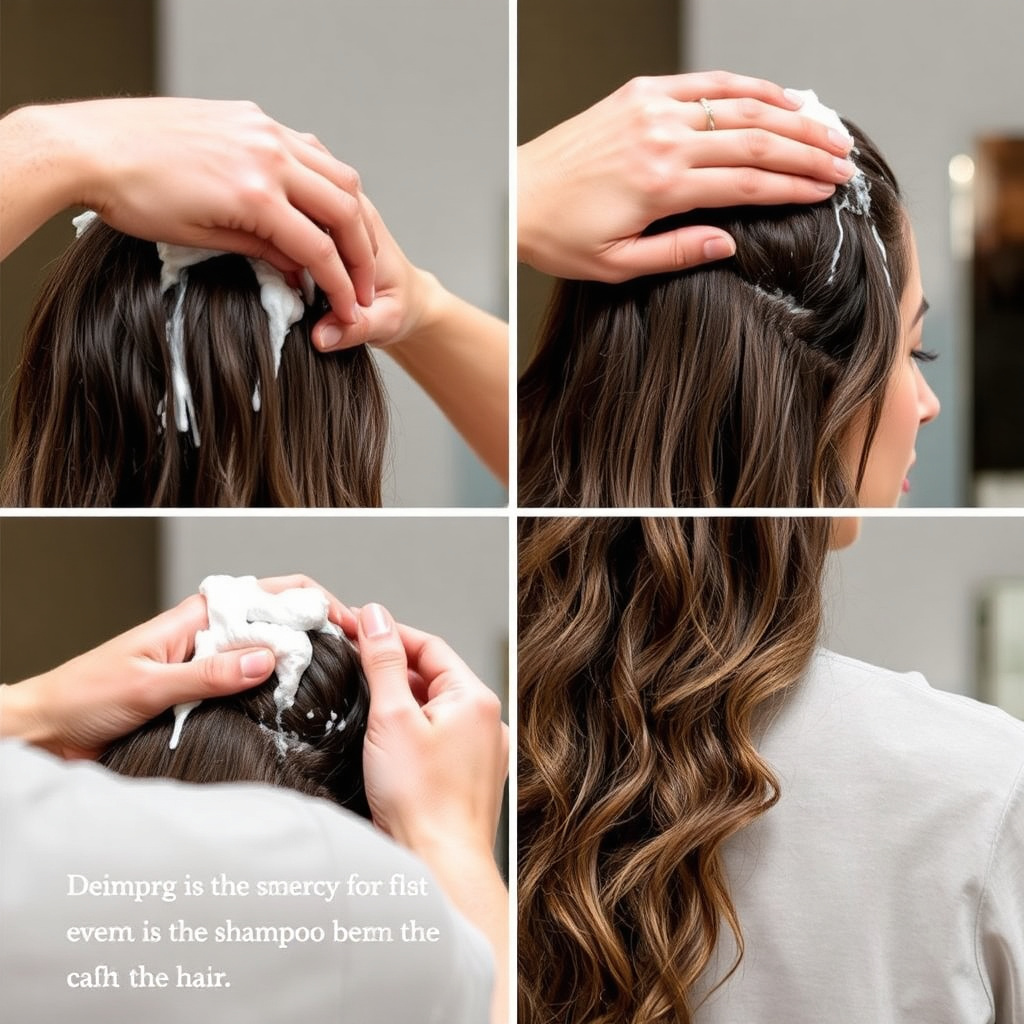
Apply shampoo primarily to the scalp and roots where oil and dirt accumulate. Gently massage to stimulate circulation and avoid tangling thick hair strands.
Rinse thoroughly with lukewarm water to prevent residue buildup that can dull thick hair’s natural shine and volume.
For more expert information on shampoo and hair washing practices, the American Academy of Dermatology offers trusted hair care advice. Hair care advice from the American Academy of Dermatology.
Using Conditioning Products Alongside Shampoo
For thick hair, it’s helpful to follow shampoo with a conditioner tailored for volume and hydration. Conditioning the mid-length to ends prevents breakage and tangles.
Leave-in conditioners and detangling sprays can complement shampoo routines, especially for thick and curly hair textures needing extra smoothness.
Shampoo Types for Thick Hair Category Comparison
This table compares common shampoo types to help you decide which fits your thick hair care needs best.
| Shampoo Type | Benefits | Best For | Potential Downsides |
|---|---|---|---|
| Sulfate-Free | Gentle cleansing, maintains moisture | Sensitive scalps, thick and curly hair | Sometimes less foaming, may not remove heavy buildup |
| Volumizing | Adds body and lift | Straight thick hair, fine thick hair | Can be drying if not moisturizing |
| Moisturizing | Deep hydration, smooths frizz | Dry or coarse thick hair | May weigh down fine thick hair |
| Protein-Enriched | Strengthens and repairs | Heat-treated or damaged thick hair | Overuse can cause stiffness |
| Clarifying | Removes buildup effectively | Oily scalps, frequent styling product use | Can dry out hair if used too often |
Frequently Asked Questions
Can I use shampoo for fine hair on my thick hair?
Shampoos designed for fine hair often lack enough moisturizers and conditioning agents for thick hair, which may leave thick strands dry and tangled. Choosing a formulation for thick hair improves manageability and hydration.
How often should I wash thick hair with shampoo?
Washing thick hair 2-3 times per week is generally sufficient, though frequency depends on scalp oiliness and activity level. Using sulfate-free shampoo allows more frequent washing without excessive dryness.
Is a clarifying shampoo good for thick hair?
Clarifying shampoos can be useful occasionally to remove product buildup on thick hair, but they are too drying for regular use. Limit clarifying treatments to once a week or less.
Should I avoid sulfates if I have thick and curly hair?
Yes, sulfates can strip natural oils from thick and curly hair, leading to dryness and frizz. Sulfate-free shampoos help preserve moisture and curl definition.
What shampoo ingredients should I avoid for thick hair?
Avoid shampoos with harsh sulfates, parabens, and heavy silicones that can build up and weigh down thick hair. Instead, opt for gentle cleansers and lightweight conditioning agents.
Key Takeaways
- Choose shampoos with moisturizing and protein ingredients to nourish thick hair
- Sulfate-free formulas reduce dryness and preserve natural oils
- Match shampoo type to your hair texture and scalp condition for best results
- Avoid heavy products that weigh down thick hair’s natural volume
Conclusion
Selecting the best type of shampoo for thick hair involves balancing cleansing power with sufficient hydration and strengthening ingredients. Thick hair requires formulas that support moisture retention while preventing buildup, keeping strands manageable and vibrant. Consider your individual hair texture, scalp needs, and styling habits when choosing a shampoo.
For example, if your thick hair is curly and prone to frizz, a moisturizing and sulfate-free shampoo with natural oils is often most suitable. Those with straight, fine thick hair might benefit from volumizing shampoos that increase body without heaviness. If damage or heat styling is frequent, protein-enriched shampoos help reinforce hair health.
Start by testing shampoos aligned with these categories and observe how your hair responds. Pair your shampoo with a complementary conditioner and avoid harsh ingredients to maintain the fullness and shine that make thick hair so distinctive. With the right products, thick hair can remain effortlessly beautiful and easy to style.


