How to Moisturize Hair Overnight for Softer, Healthier Strands
Moisturizing hair overnight is a straightforward way to deeply hydrate and restore dry or damaged strands without interrupting your daily routine. You can do this by applying the right moisturizing products, sealing in moisture with protective styles or wraps, and using suitable cap or pillow coverings to enhance overnight absorption. These steps help hair retain moisture, reduce breakage, and improve overall texture.
Hair naturally loses moisture throughout the day, and environmental factors can worsen dryness and frizz. Overnight moisturizing matters because it allows products more time to penetrate and nourish hair, making it softer, stronger, and more manageable. It also minimizes heat or styling damage since hair isn’t subjected to daily manipulation during this time.
This article will guide you through the best moisturizers to use, effective overnight techniques like protective styling and wrapping, tips for maintaining scalp health while moisturizing, and advice suitable for different hair types. Additionally, it will cover bedtime essentials to protect your hair as you sleep.
Choosing the Right Products for Overnight Moisturizing

Selecting Moisturizers Suited to Your Hair Type
Understanding your hair type—fine, medium, coarse, curly, or straight—helps in picking effective moisturizers. For fine hair, lightweight leave-in conditioners or sprays work best to avoid weighing strands down. Medium to coarse or curly hair benefits from heavier creams and natural oils like shea butter or coconut oil that deeply penetrate and lock in moisture.
Using products designed for overnight use, like rich but breathable creams, can prevent buildup or greasiness by morning. Trying small amounts initially is wise, as over-application might cause residue or attract dirt overnight.
- Light leave-ins for fine hair
- Creams and oils for coarse, curly hair
- Avoid heavy silicones for overnight
- Test product amounts to prevent buildup
Beneficial Ingredients to Look For
Ingredients such as glycerin, aloe vera, panthenol (Vitamin B5), and natural oils help attract and retain moisture. Humectants like glycerin pull moisture from the air into the hair shaft, while emollients like oils smooth and seal the cuticle to lock in hydration.
Avoid products containing drying alcohols or harsh sulfates which can strip moisture, especially with overnight treatments. Instead, choose those with nourishing plant butters and essential fatty acids for sustained hydration.
- Glycerin and aloe vera for moisture attraction
- Panthenol for strengthening strands
- Natural oils for sealing moisture
- Avoid drying alcohols and sulfates
Effective Overnight Hair Care Routine

Step-by-Step Overnight Moisturizing Process
Begin by slightly dampening your hair or misting it with water to help product absorption. Apply your chosen moisturizer evenly from roots to ends, focusing on drier areas like tips. Avoid applying too much near the scalp to prevent buildup.
Next, secure hair with a protective style such as loose braids, twists, or a bun, which prevents tangling and mechanical damage while sleeping. Finish by wrapping hair in a satin or silk scarf or using a silk pillowcase to reduce friction and lock in moisture.
- Mist hair lightly before application
- Distribute moisturizer evenly
- Use protective hairstyles
- Wrap with satin or silk
How to Use Overnight Caps and Pillowcases
Silk or satin overnight caps create a smooth barrier that helps minimize moisture loss and hair breakage caused by friction with cotton pillowcases. These materials keep hair cuticles intact and prevent dryness.
Alternatively, using a satin or silk pillowcase directly offers similar protection without the need for a cap. This simple switch in bedtime essentials significantly enhances the results of your overnight hair care routine.
- Choose satin or silk caps over cotton
- Regularly wash caps and pillowcases
- Use pillowcases if caps feel uncomfortable
Protective Styling and Hair Maintenance Overnight

Benefits of Protective Styles for Moisturizing Hair
Protective styles reduce hair breakage and tangling by minimizing manipulation during sleep. Styles like loose braids or twists hold moisture better by reducing the exposure of hair ends, which are typically driest.
These styles also prevent friction and moisture loss. They work especially well alongside moisturizing treatments, helping hair retain hydration longer overnight.
- Reduce breakage and tangling
- Maintain hydration in hair ends
- Lower friction damage
- Enhance product effectiveness
For more on this, see our related guide: How to Moisturize Twists for Long-Lasting Hydration and Shine.
Choosing Styles Based on Hair Texture and Length
Fine or straight hair may benefit from loose twists or gentle buns to avoid flattening or unwanted creasing. Curly and coarser hair textures tolerate firmer braids or twists that keep strands secure and defined for better moisture retention.
Long hair can be sectioned into multiple mini braids or twists to distribute tension and moisture evenly, while shorter hair requires softer styles that still protect delicate ends without excessive pulling.
- Loose twists for fine hair
- Firm braids for coarse or curly hair
- Section long hair to reduce tension
- Gentle styles for short hair
Scalp Care During Overnight Moisturizing

Importance of Scalp Hydration
Keeping the scalp moisturized supports healthy hair growth and prevents flakiness or itchiness that can occur with dry skin. Overhydrated scalp leads to buildup, so balance is key.
Using lightweight oils like jojoba or tea tree oil in small amounts nourishes the scalp without clogging pores. Massaging these oils before bed increases blood circulation and helps hair follicles absorb nutrients.
- Maintain scalp moisture balance
- Use lightweight, non-comedogenic oils
- Incorporate gentle scalp massages
- Avoid heavy buildup overnight
Avoiding Scalp Irritation While Sleeping
Choosing non-irritating, fragrance-free moisturizers can help avoid scalp sensitivity during extended overnight exposure. Some ingredients may cause itching or redness, so patch testing is recommended.
Using breathable and clean hair wraps reduces sweat and heat accumulation that might exacerbate irritation. Keeping scalp care products minimal and light supports comfortable, irritation-free overnight moisturizing.
- Patch test new products
- Select fragrance-free options if sensitive
- Keep hair wraps breathable and clean
- Use minimal product on scalp
Adjusting Overnight Moisturizing for Different Hair Types
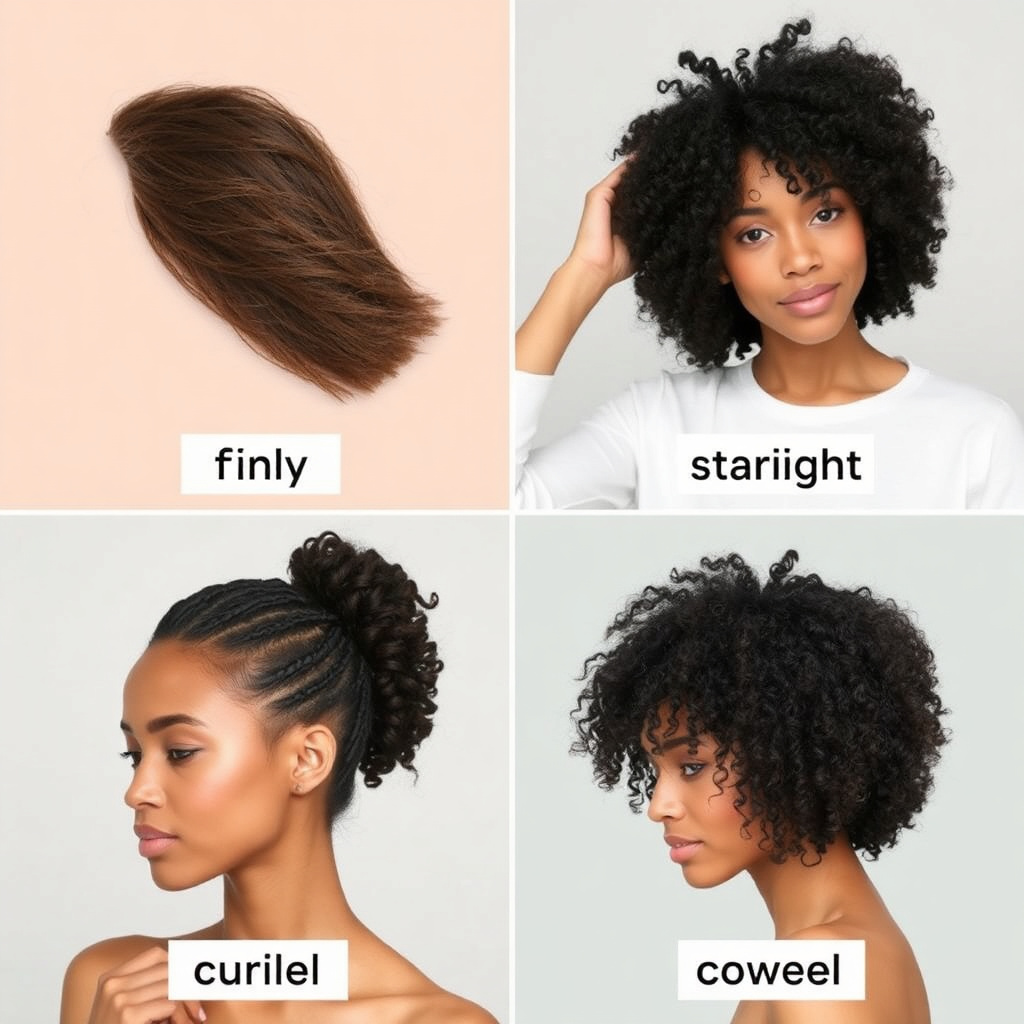
Moisturizing Tips for Curly and Coiled Hair
Curly and coiled hair naturally tends to be drier, requiring heavier creams and oils overnight. Rich butters like mango or shea combined with humectants help maintain curl definition and minimize shrinkage by locking in moisture all night.
Protective styles like twists or pineapples help maintain curl pattern and prevent tangling. Using silk wraps preserves moisture and reduces friction damage common in curly hair types.
- Use rich creams and natural butters
- Incorporate humectants for moisture attraction
- Protect with twists or pineapple styles
- Wrap hair in silk at night
For more on this, see our related guide: What Type of Conditioner Is Best for Dry Hair: Ultimate Guide to Hydrating Your Strands.
Overnight Care for Fine or Straight Hair
Fine or straight hair benefits from lightweight leave-in sprays or lotions that hydrate without buildup. Apply small amounts, focusing on mid-lengths and ends to avoid oily roots by morning.
Loose buns or braids can reduce tangling without flattening hair volume. Silk pillowcases help smooth strands and prevent frizz, enhancing overall hair softness after a night of moisturizing treatment.
- Choose lightweight leave-in products
- Avoid heavy oils near roots
- Use loose protective styles
- Sleep on silk pillowcases
Bedtime Essentials to Support Overnight Hair Moisturizing

The Role of Satin and Silk Accessories
Satin and silk bonnets or caps reduce friction that strips moisture and causes breakage while sleeping. They maintain the integrity of moisturizing products and keep hair smoother and shinier by morning.
These accessories are lightweight, breathable, and easy to use, making them a simple upgrade to your hair care routine that significantly improves hydration results overnight.
- Minimize friction and breakage
- Preserve hair's natural oils and applied products
- Lightweight and breathable comfort
- Easy to incorporate nightly
For reliable hair moisturizing basics and hair care information, visit this comprehensive resource. hair moisturizing basics.
Maintaining Cleanliness of Hair Accessories
Regular washing of bonnets, pillowcases, and scarves is essential to prevent product buildup, oils, and dirt that can transfer back to hair and scalp. Clean accessories ensure a fresh environment that supports hair health.
Use gentle detergents and avoid fabric softeners which can affect the smoothness of satin or silk materials. Allow accessories to dry fully before use to inhibit bacterial growth overnight.
- Wash accessories weekly or biweekly
- Use gentle detergents without fabric softener
- Ensure complete drying before use
- Avoid transferring oils back to hair
Overnight Hair Moisturizing Methods Comparison
Here is a comparison of popular overnight moisturizing techniques based on effectiveness, maintenance, and suitability for different hair types.
| Method | Effectiveness | Ease of Use | Best Hair Type |
|---|---|---|---|
| Leave-in Conditioner Spray | Moderate | Very Easy | Fine to Medium |
| Heavy Moisturizing Creams & Butters | High | Moderate | Curly and Coarse |
| Natural Oils (e.g., Coconut, Jojoba) | High | Easy | All Hair Types |
| Protective Styling (Braids, Twists) | High | Moderate to Hard | Curly, Coarse, Long |
| Silk/Satin Caps or Pillowcases | High | Very Easy | All Hair Types |
Frequently Asked Questions
Can I moisturize my hair overnight if it’s oily?
Yes, but focus on lightweight products applied sparingly, mainly on the mid-lengths and ends. Avoid heavy oils near roots to prevent excess greasiness by morning.
How often should I moisturize my hair overnight?
Overnight moisturizing can be done 2-3 times per week depending on hair dryness. Daily use may be too heavy for some hair types and cause buildup.
Is it necessary to wrap hair after applying moisturizer overnight?
Wrapping hair with satin or silk helps retain moisture, reduces friction, and prevents tangling, so it is highly recommended but not absolutely required.
Can I shampoo my hair in the morning after overnight moisturizing?
Yes, if your hair feels heavy or oily. Otherwise, simply rinse with water or a light conditioner. Shampooing daily can strip moisture again.
What if my hair feels sticky or heavy after overnight moisturizing?
Try using less product next time, choose lighter formulas, or ensure even distribution. Sticky residue often means product buildup or over-application.
Key Takeaways
- Use moisturizers suited to your hair type and avoid heavy buildup.
- Apply products to damp hair and protect strands with silk or satin wraps.
- Incorporate protective styling to minimize breakage and retain moisture.
- Maintain clean hair accessories for best overnight moisturizing results.
Conclusion
Deciding how to moisturize hair overnight largely depends on understanding your hair’s unique needs and choosing products that hydrate effectively without causing buildup. Simple adaptations like misting hair before applying a suitable moisturizer and sleeping on silk materials support moisture retention and reduce damage. Including scalp care and protective styling into your routine enhances hair health holistically. Prioritizing these factors helps keep your hair softer, shinier, and healthier over time.
For those with curly or coarse hair, heavier creams, natural butters, and protective styles such as twists or braids provide excellent overnight hydration. Fine or straight hair benefits more from lightweight leave-ins and gentle tying methods to avoid flattening volume. Silk or satin caps and pillowcases further improve outcomes for all hair types by reducing friction and moisture loss. Experimenting with these options helps find a personalized approach that fits your hair lifestyle.
Starting with a consistent overnight hair care routine is a practical next step toward improving hair moisture and texture. Try beginning with a lightweight leave-in or oil suited to your hair type, pair it with protective styling or silk accessories, and monitor how your hair responds after several nights. Adjust the product amount, style, and bedtime care as needed to suit your comfort and hair’s condition. This methodical approach simplifies the journey to waking up with beautifully moisturized, healthier hair.


