How to Do a Hair Color Correction: Step-by-Step Guide for Best Results
Hair color correction addresses issues like uneven tones, unwanted hues, or previous dye mistakes, restoring your hair to a balanced, appealing shade. To do a hair color correction correctly, you first identify the root cause of the color problem, select appropriate treatments—such as color removers, toners, or re-dyeing—and follow a careful process to avoid damaging your hair further.
This process matters because improper correction can cause dryness, breakage, or unpredictable results. Achieving an even, healthy-looking color requires knowledge of how hair pigment interacts with dyes, bleach, and natural tone. The goal is to neutralize unwanted shades and rebuild the hair's color with controlled applications.
In this article, you’ll find detailed explanations of key correction methods, including color stripping, toning, and dye application. We will break down each step, discuss tools and products, and clarify when a professional stylist’s help is necessary. This thorough guide covers all you need to tackle hair color correction confidently.
Understanding Hair Color Correction Basics

Common Hair Color Problems That Require Correction
Uneven fading, brassiness, overly dark or light patches, and color buildup are common issues demanding correction. Identifying exactly what went wrong, whether excessive toner use or improper bleach timing, is the first step to fixing hair color.
Each problem manifests differently: brassiness shows as unwanted orange or yellow hues, while patchiness presents irregular color spots. Understanding these helps choose the right approach to tackle the issue.
How Hair Porosity Affects Color Correction
Hair porosity indicates how well hair absorbs and retains moisture and color. Damaged, porous hair can absorb dye unevenly, leading to correction challenges.
Before correction, assessing porosity helps determine product choice and application timing. Low porosity hair requires longer processing, while high porosity may need protein treatments to rebuild strength prior to re-coloring.
Preparing for Hair Color Correction
Gathering Necessary Tools and Products
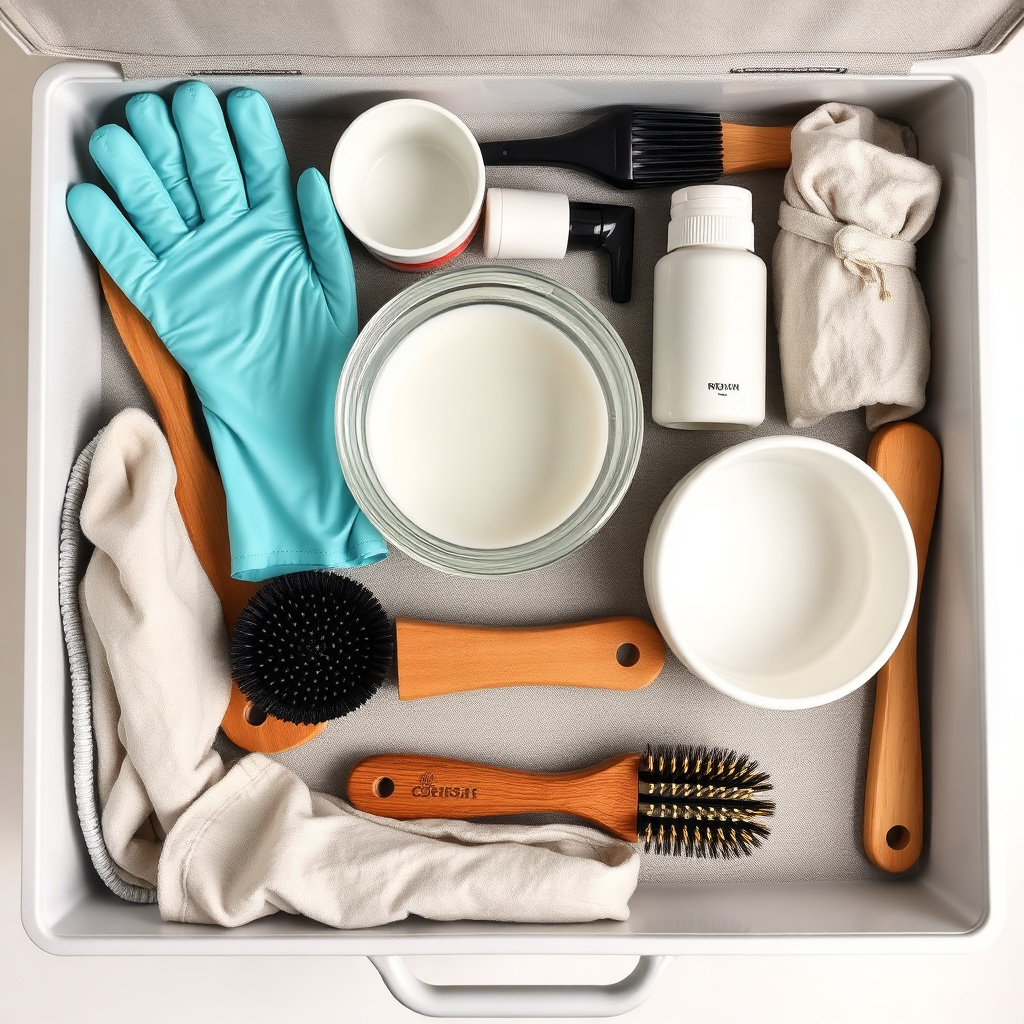
Effective hair color correction needs tools like color remover, clarifying shampoo, toner, developer, gloves, and application brushes. Using professional-grade products improves safety and results consistency.
Select products based on hair type and correction needs: for example, gentle color removers for sensitive scalps or stronger formulas for heavy dye buildup. Having these ready avoids mid-process delays.
- Color remover or color stripping kit
- Clarifying shampoo or chelating shampoo
- Toner and developer
- Hair dye (if recoloring)
- Application bowls and brushes
- Gloves and protective cape
Performing a Strand and Skin Test
Testing a small hair section and skin patch prevents allergic reactions and ensures desirable color results. A strand test reveals how your hair reacts to correction products and timing.
Always wait 24-48 hours after skin testing before full application. This step minimizes damage and helps tailor the process for your specific hair condition.
Methods to Correct Hair Color

Using Color Removers to Strip Unwanted Dye
Color removers work by breaking down artificial pigments without bleach, making them perfect for fixing color mistakes while preserving hair health. Timing and product choice are essential to avoid over-processing.
Apply remover evenly, following manufacturer instructions closely, then rinse thoroughly. Post-removal, hair usually appears lighter and patchier, making toning or dyeing the next step.
- Do not leave remover on longer than recommended
- Use on dry hair for best absorption
- Avoid overlapping previously treated areas
For more on this, see our related guide: What Type of Hair Color Is Best for Beginners: A Clear Guide.
Toning to Neutralize Unwanted Undertones
Toners adjust hues by depositing color opposite to the unwanted shade on the color wheel. For instance, purple toner cancels yellow brassiness, and blue toner reduces orange tones.
Apply toner with appropriate developer strength and monitor processing to avoid over-toning, which can lead to dull or unnatural hues. Toning refreshes hair color and evens out tone after stripping or bleaching.
- Choose toner based on underlying unwanted color
- Use 10 or 20 volume developer depending on desired effect
Re-Dyeing and Finishing Techniques

Choosing the Right Hair Dye for Recoloring
After correcting the base, selecting a gentle dye that complements your natural undertone helps achieve a balanced final result. Semi-permanent dyes are less damaging and ideal for subtle adjustments, while permanent dyes offer long-lasting coverage.
Match dye level and tone carefully to avoid repeating color mistakes. Consider ammonia-free formulas if your hair is fragile post-correction.
Post-Color Care for Hair Health
After correction and dyeing, moisturizing shampoos, conditioners, and masks restore hydration and protect hair structure. Avoid heat styling early on, letting hair recover from chemical processes.
Scheduling regular protein treatments helps maintain strength and elasticity. Protecting color with sulfate-free products prolongs vibrancy.
- Use color-safe, sulfate-free shampoos
- Apply deep conditioning masks weekly
- Minimize heat styling for two weeks
When to Seek Professional Hair Color Correction

Signs You Need an Expert Stylist
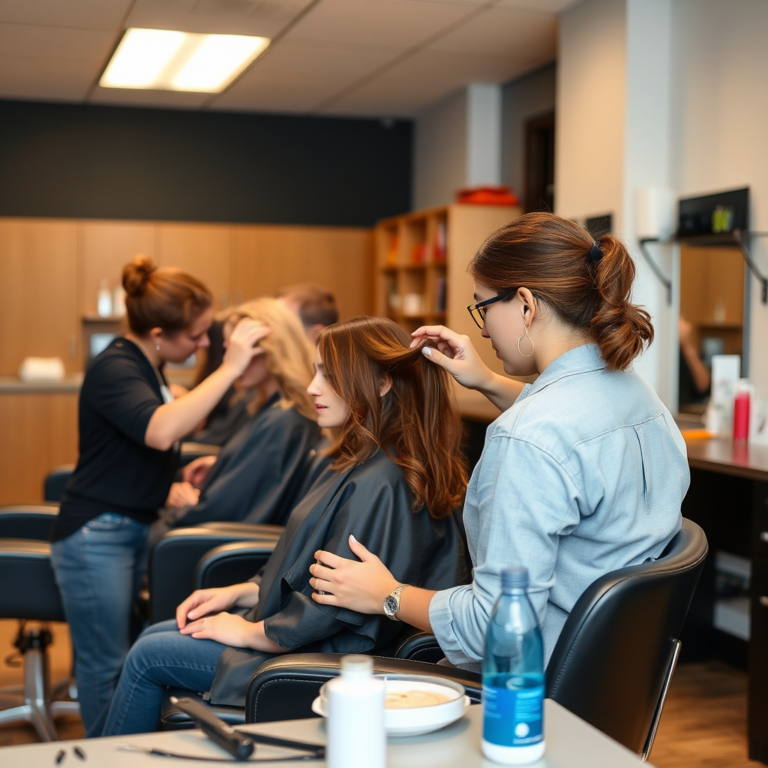
Severe color damage, contrasting hues, or DIY color failures requiring multiple chemical corrections are best handled by professionals. They have precise tools, expertise, and products to safely restore hair color.
Attempting complex corrections without experience can exacerbate damage or cause uneven results. A stylist provides personalized consultations to design a correction plan fitting your hair condition.
For more on this, see our related guide: How to Do a Root Touch Up: A Step-by-Step Guide for Salon-Quality Results at Home.
Cost and Time Involved in Professional Corrections
Professional color corrections may require multiple sessions, especially if hair is heavily processed. Costs vary based on salon reputation, product selection, and hair length.
While pricier than at-home fixes, professional care reduces risk of damage and often includes conditioning treatments to improve hair health post-correction.
- Multiple sessions increase chances of perfect results
- Salon treatments include professional-grade products
- Expect 2-4 hours per session depending on complexity
Preventing Future Hair Color Issues

Best Practices for Maintaining Corrected Hair Color
Consistent use of color-protecting shampoos and conditioners guards against fading and brassiness. Limiting sun exposure and chlorine contact preserves your new color.
Regular salon touch-ups at appropriate intervals help balance root growth with colored hair for professional finish longevity.
- Use UV protection sprays
- Rinse hair with cool water to close cuticles
- Schedule color touch-ups every 4-6 weeks
For additional technical background, you can explore detailed information about hair coloring techniques. hair coloring techniques.
Tips for Healthy Hair Between Color Sessions
Hydration and protein balance maintain hair strength. Avoid excessive heat styling and harsh chemical treatments outside of color sessions to prevent cumulative damage.
Incorporating gentle hair masks and oils nourishes strands and enhances smoothness, making hair less prone to breakage.
Hair Color Correction Methods Comparison
This table compares popular hair color correction methods based on effectiveness, damage risk, and ideal use cases.
| Method | Effectiveness | Damage Risk | Best For | Approximate Time |
|---|---|---|---|---|
| Color Removers | High | Medium | Removing artificial dye | 30-45 minutes |
| Toning | Moderate | Low | Neutralizing unwanted tones | 15-30 minutes |
| Bleach and Re-dye | High | High | Lightening heavily pigmented hair | 1-2 hours |
| Clarifying Shampoo | Low | Low | Fading minor buildup | 20-30 minutes |
| Professional Correction | Very High | Controlled | Complex color mistakes | 2-4 hours per session |
Frequently Asked Questions
Can hair color correction fix brassiness?
Yes, brassiness is often corrected by toning with purple or blue toners that neutralize orange or yellow hues effectively.
Is it safe to do hair color correction at home?
Simple corrections like toning can be done at home cautiously, but complex corrections or extensive color removals are safer with professional assistance.
How long does hair color correction take?
Correction time depends on severity; simple toners take under an hour, while multi-step corrections with removers may require several hours or multiple sessions.
Will hair color correction damage my hair?
Some damage risk exists, especially with bleaching or strong removers, but using quality products and proper techniques reduces long-term harm.
How soon can I dye my hair after correction?
Usually, recoloring occurs immediately after color removing and toning, but waiting up to a week allows your hair to recover for better results.
Key Takeaways
- Identify the specific color issue before starting correction.
- Use color removers and toners appropriately to fix unwanted hues.
- Test hair porosity and perform strand tests to guide treatment.
- Consider professional help for complex or severe corrections.
Conclusion
Making decisions about hair color correction relies on accurately diagnosing the existing problem and understanding how different correction techniques interact with hair structure. Whether dealing with brassiness, patchy color, or previous dye mistakes, weighing the pros and cons of removers, toners, and re-dyeing helps you choose the right method. Recognizing hair porosity and condition is key to applying these solutions safely and effectively, minimizing damage.
For mild color issues like slight brassiness, using a purple toner combined with clarifying shampoo is often sufficient to restore a balanced tone. If you encounter heavier dye deposits or severe unevenness, color removers followed by careful recoloring provide better outcomes but require patience and attention to hair health. Professionals offer the most reliable solutions for difficult corrections, combining multiple treatments while managing hair integrity.
Start by assessing your hair's current state and selecting small-scale tests with products intended to gently rectify color inconsistencies. Monitor how your hair responds, and avoid rushing into strong chemical processes. This methodical approach not only improves your hair color correction results but also supports maintaining healthy, vibrant hair in the long run.