How to Soften Cuticles: Easy Tips for Healthy Nail Care
Softening cuticles is straightforward—immerse your fingers in warm water or apply a moisturizing cuticle softener to relax the skin around your nails. This makes it easier to gently push back or trim cuticles without damage.
Cuticles serve as a protective barrier against infection, so treating them right is key to nail health. Dry or rough cuticles can lead to hangnails or irritation. Properly softening them prevents tears and promotes a neat, polished look.
This article will cover practical techniques for softening cuticles, including home remedies, products that work best, and step-by-step grooming tips. Whether you want to maintain your nails or prepare them for a manicure, these insights will help your cuticles stay supple and healthy.
Understanding Cuticles and Their Role
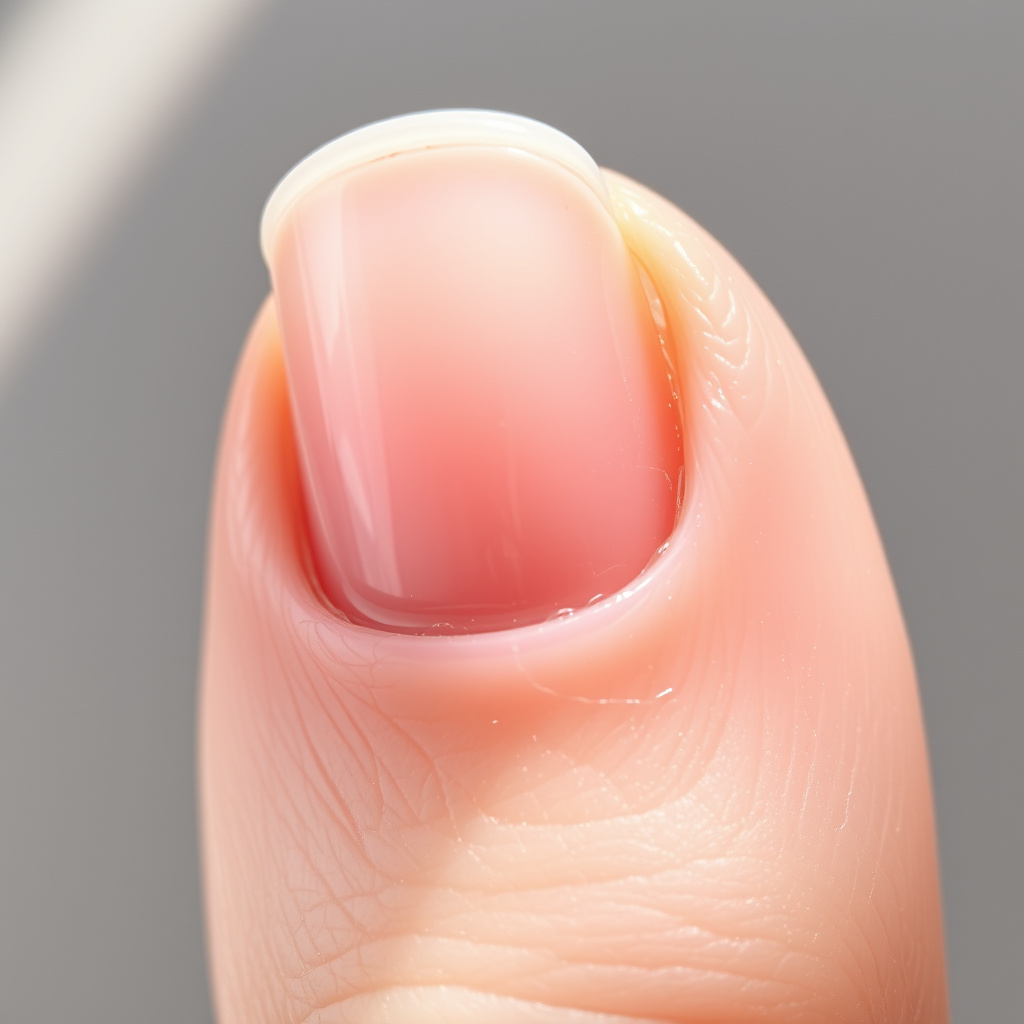
What Are Cuticles and Why Care for Them?
Cuticles are the thin layers of dead skin at the base of your nails that protect the growing nail from bacteria and infections. Though often overlooked, caring for cuticles prevents painful hangnails and keeps nails looking tidy.
Ignoring cuticle health can lead to dryness, cracking, and inflammation. By maintaining softness in this area, you support nail growth and avoid complications that come with damaged skin.
Signs Your Cuticles Need Softening
Cuticles that appear cracked, tight, or flaky usually indicate dehydration or lack of proper care. These symptoms suggest it’s time to soften and moisturize to restore suppleness.
If your cuticles often catch on fabrics or cause discomfort when pushing back, these are practical signs you should adopt gentle softening routines to prevent damage.
Effective Home Remedies to Soften Cuticles
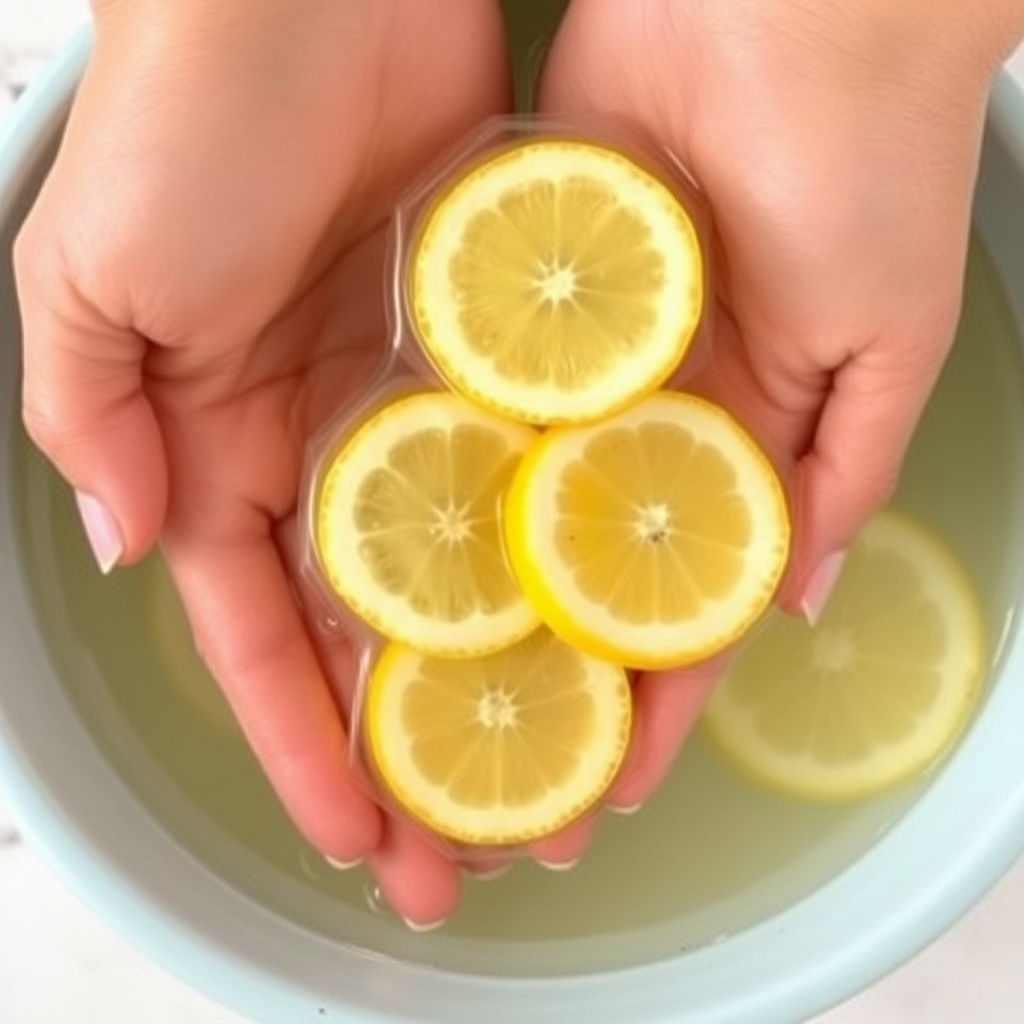
Warm Water Soaks
Soaking your nails in warm water for 5 to 10 minutes softens the surrounding cuticle skin, making it pliable. Adding gentle ingredients like a few drops of olive oil or honey enhances moisture absorption.
Regular warm soaks prevent the cuticles from becoming dry and brittle, providing a simple and cost-effective method to prepare them for grooming.
- Use water at a comfortable warm temperature
- Soak for 5-10 minutes
- Add natural oils or honey for extra hydration
Natural Oils and Moisturizers
Applying oils like jojoba, almond, or vitamin E after soaking seals in moisture and softens cuticles gradually throughout the day. These oils nourish the skin and promote healing.
Massaging cuticles with these oils improves blood flow and flexibility, reducing tightness and making cuticle care easier.
- Use pure natural oils
- Massage gently into cuticles
- Repeat daily or as needed
Choosing the Best Cuticle Softener Products
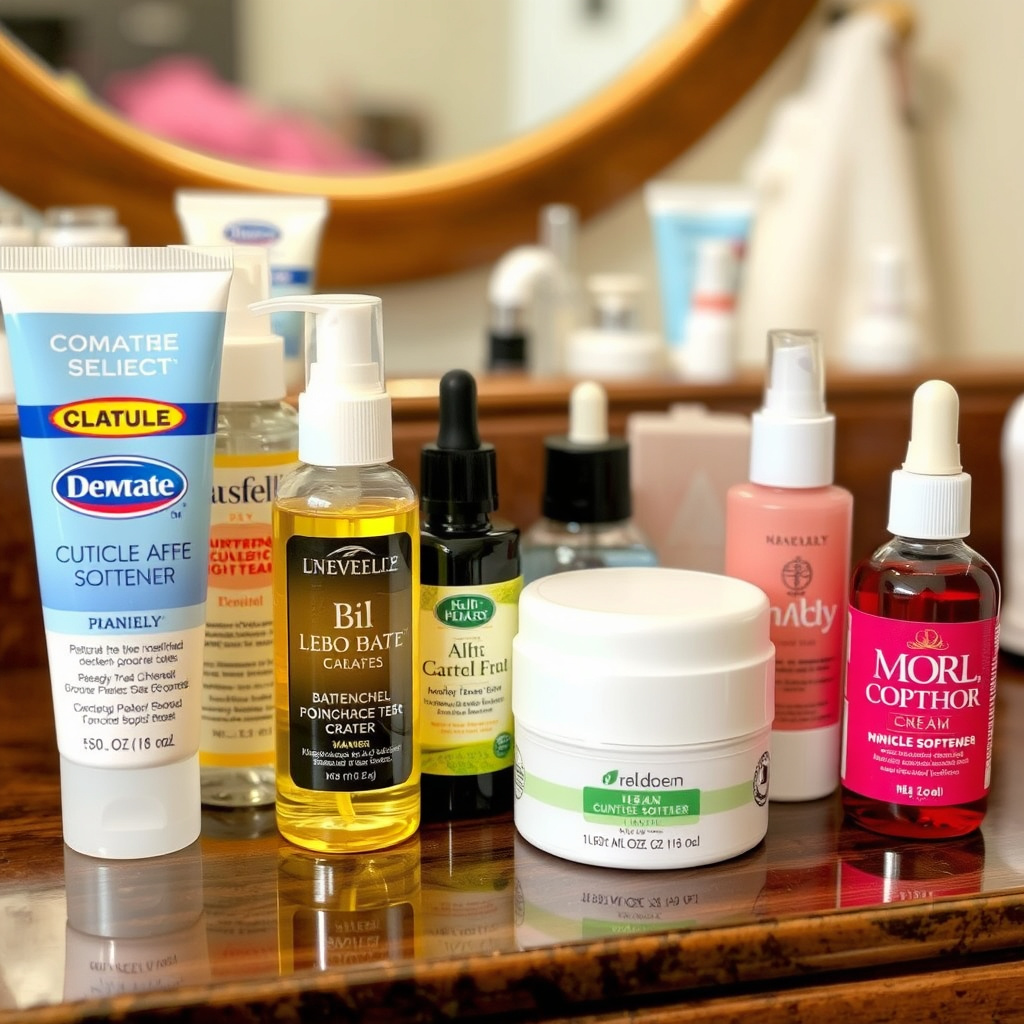
Types of Cuticle Softeners
Cuticle softeners come in various forms: creams, gels, and oils. Creams hydrate deep layers of skin, gels provide quick absorption, and oils actively repair brittle cuticles while locking in moisture.
Selecting a product depends on your preferences for texture and speed of absorption, but any quality formula designed specifically for cuticle care works well.
- Creams: thicker, more moisturizing
- Gels: lightweight, fast absorption
- Oils: nourishing and protective
Ingredients to Look For
Effective cuticle softeners often include ingredients like jojoba oil, shea butter, vitamin E, and aloe vera. These components hydrate and soothe sensitive cuticle skin without irritation.
Avoid harsh chemicals such as alcohol or synthetic fragrances that can contribute to dryness. Choose products with natural, gentle ingredients for best results.
- Look for natural oils like jojoba or almond
- Avoid alcohol and synthetic fragrances
- Prefer formulas with vitamins E and aloe vera
Tools and Techniques for Cuticle Grooming

Using Cuticle Pushers Safely
After softening, use a cuticle pusher to gently push back the cuticles. Metal pushers with rounded edges are preferred as they avoid cutting into the skin when used carefully.
Do not force cuticles if they feel tight; apply more softener and soak longer if necessary to prevent irritation or injury.
- Use rounded metal or wooden pushers
- Be gentle and avoid forcing
- Push cuticles back after softening
When and How to Trim Cuticles
Trimming cuticles should be limited to loose, excess skin after softening to prevent damage. Use clean, sharp cuticle nippers and only remove small hangnails or dead skin carefully.
Avoid cutting living tissue; improper trimming can cause infections or peeling skin requiring recovery time.
- Trim only dead skin or hangnails
- Use sterilized, sharp tools
- Avoid cutting live cuticle skin
Maintaining Soft Cuticles Long-Term
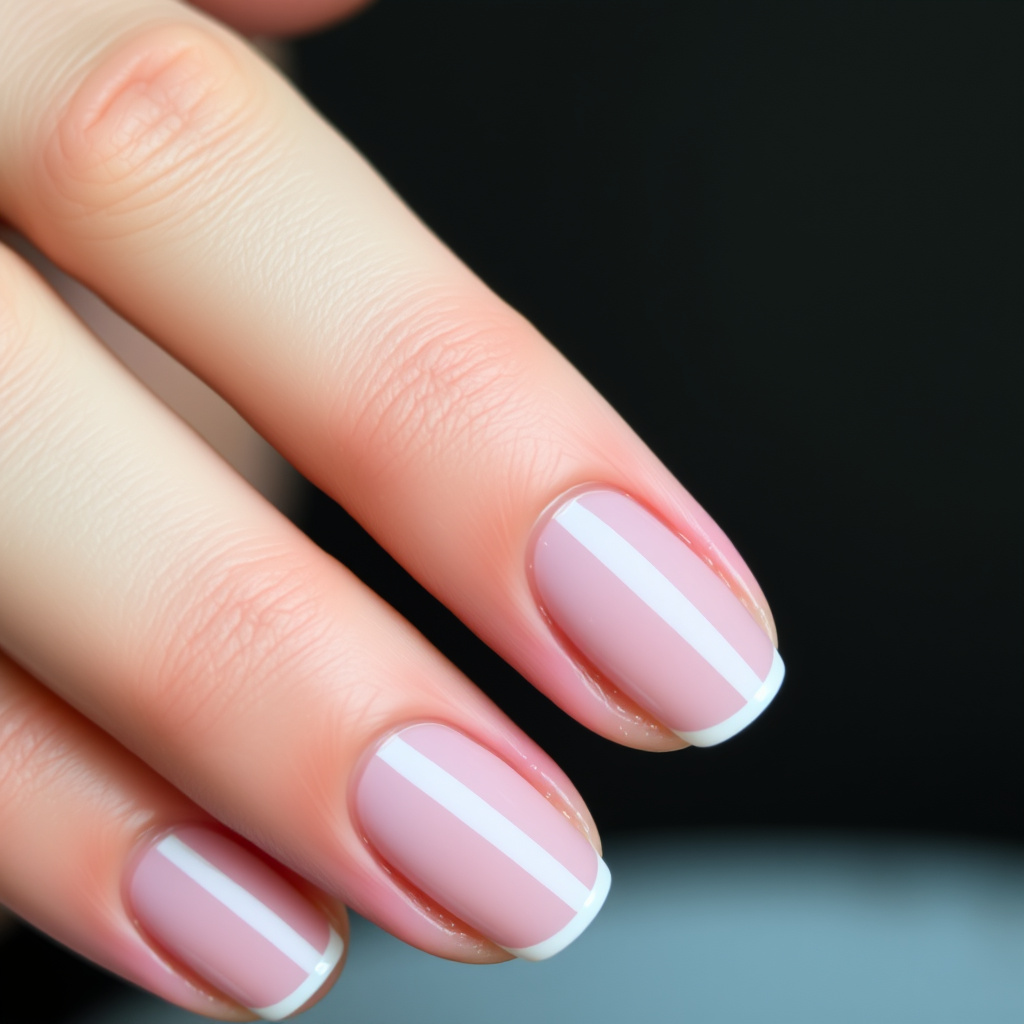
Routine Moisturizing Habits
Applying moisturizer or cuticle oil daily after hand washing maintains softness. Frequent hydration prevents cuticle dryness even in colder or drier climates.
Using gloves during chores like washing dishes protects cuticles from harsh soaps and water exposure, which can strip natural oils and cause roughness.
- Apply moisturizer daily
- Wear protective gloves for cleaning
- Avoid frequent exposure to harsh water or chemicals
For expert advice on maintaining healthy cuticles, the American Academy of Dermatology offers trusted cuticle care best practices. cuticle care best practices.
Avoiding Cuticle Damage
Avoid picking or biting cuticles, as these habits can tear skin and lead to infections. Use gentle nail care routines without aggressive peeling of skin around nails.
Regular softening combined with gentle pushing promotes healthy nails without damage, maintaining a neat, well-groomed appearance.
- Don't bite or pick cuticles
- Use gentle grooming methods
- Softening reduces injury risk
Cuticle Softening Methods Comparison
A quick look at common cuticle softening methods and how they perform in key areas for nail care.
| Method | Ease of Use | Hydration Effectiveness | Cost | Best For |
|---|---|---|---|---|
| Warm Water Soak | Easy | Moderate | Free | Basic softening before grooming |
| Natural Oils | Moderate | High | Low | Daily moisturizing and repair |
| Cream Softeners | Easy | High | Moderate | Deep hydration and softness |
| Gel Formulas | Easy | Moderate-High | Moderate | Quick absorption and conditioning |
| Cuticle Softener Pens | Very Easy | Moderate | High | On-the-go touch ups |
Frequently Asked Questions
How often should I soften my cuticles?
Softening cuticles 2-3 times per week is sufficient for most people to keep them healthy without over-manipulation. Daily moisturizing with oils or creams supports ongoing softness.
Can I use regular hand lotion to soften cuticles?
Regular hand lotion helps hydrate but specialized cuticle softeners or natural oils typically work better due to their richer formulas suited for the delicate nail area.
Is it safe to trim cuticles myself?
Trimming should be done carefully with sterilized tools and only the loose dead skin. Improper trimming risks infection or injury, so many prefer gentle pushing over cutting.
Will softening cuticles help grow nails faster?
Softened cuticles protect nail growth by preventing damage and infection, indirectly supporting healthier nail growth but they do not speed up nail production directly.
What should I avoid when caring for cuticles?
Avoid harsh chemicals, biting or picking at cuticles, and aggressive trimming. These habits cause dryness, infection risk, and damage to the nail area.
Key Takeaways
- Softening cuticles makes them easier to groom and healthier over time.
- Warm water soaks and natural oils are effective, low-cost home remedies.
- Choose cuticle softeners with nourishing ingredients like jojoba or vitamin E.
- Avoid harsh trimming and maintain regular moisturizing for best results.
Conclusion
Deciding how to soften cuticles involves balancing effective hydration with gentle care to protect this vital nail barrier. Warm soaks combined with applying natural oils or specialized cuticle softeners generally yield the most consistent results. Regular attention prevents dryness or peeling and preserves nail health and appearance. Softening is a simple early step in any hand or nail care routine that prevents damage and discomfort caused by rough cuticles.
For those starting out or dealing with dry, brittle cuticles, soaking fingers in warm water enhanced with olive oil followed by massaging a rich nourishing oil provides a solid foundation. If convenience and speed matter, gel-based cuticle softeners offer quick hydration. Dedicated manicures might benefit from cream formulas that lock in moisture deeply. Meanwhile, avoiding aggressive trimming or picking and employing cuticle pushers gently can maintain integrity without injury. These practical scenarios show tailored approaches depending on individual needs and lifestyles.
To move forward, begin with soaking your cuticles a few times weekly and adding nourishing oils into your routine. Observe how your skin responds and adjust product types as preferred—from creams to pens. Combine moisturizing habits with safe grooming techniques to keep cuticles soft and your nails strong. A healthy nail care routine centered on proper cuticle softening promotes not just aesthetics but also essential protection against infection and damage.